

HAJJ FOR THE ELDERLY: EVERYTHING FAMILIES SHOULD KNOW BEFORE TAKING THEIR PARENTS ON PILGRIMAGE

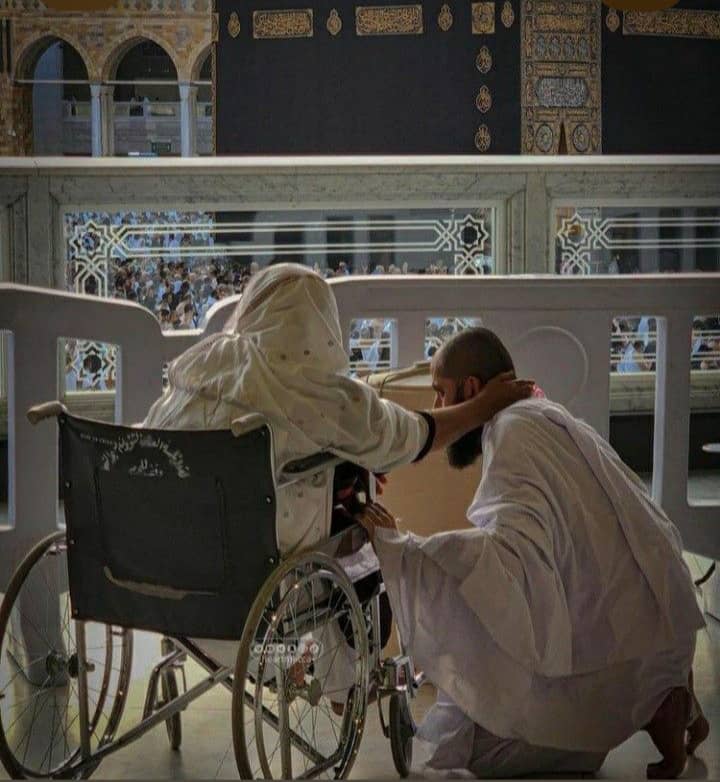
Hajj is one of the most beautiful and significant journeys in a Muslim’s life. It is a once-in-a-lifetime obligation for Muslims who have the physical and financial ability to undertake it. For many elderly Muslims, performing Hajj is a lifelong dream, often representing years of prayers, savings, patience, and hope.
For children, helping their elderly parents fulfil this important religious obligation can also be one of the greatest acts of love and kindness.
However, travelling for Hajj at an older age comes with unique challenges. The long journey, large crowds, intense heat, extensive walking, and physically demanding rituals can make the pilgrimage difficult for elderly pilgrims.
This is why proper preparation is essential.
Whether you are an elderly Muslim planning to perform Hajj or a son or daughter hoping to take your parents to the Holy Land, understanding the requirements, health considerations, travel arrangements, and available support can make a significant difference.
In this guide, we explore everything families should know about Hajj for elderly pilgrims, from Islamic rulings and medical preparation to mobility assistance and practical travel tips.
1. CAN ELDERLY MUSLIMS PERFORM HAJJ?
Yes. Elderly Muslims can perform Hajj as long as they meet the Islamic requirements of ability.
Hajj is obligatory once in a lifetime for every adult Muslim who has the necessary physical and financial ability.
Allah says in the Qur’an:
“And [due] to Allah from the people is a pilgrimage to the House – for whoever is able to find thereto a way.”
(Surah Ali ‘Imran 3:97)
This verse establishes the obligation of Hajj for those who are capable.
However, Islam recognises that people have different physical abilities. Being elderly does not automatically mean someone cannot perform Hajj.
Some older Muslims remain physically active and can complete the pilgrimage independently, while others may need wheelchairs, walking assistance, medical support, or help from family members.
The important thing is to assess each person’s ability and make appropriate arrangements.
2. WHAT DOES ISLAM SAY ABOUT HAJJ FOR ELDERLY PEOPLE WHO CANNOT TRAVEL?
Islam is a religion of mercy and ease. It does not require Muslims to undertake religious obligations beyond their ability.
For elderly Muslims who are permanently unable to perform Hajj because of advanced age, serious illness, or physical incapacity, there are provisions for Hajj by proxy, known as Hajj Badal.
A woman from the tribe of Khath’am asked Prophet Muhammad (ﷺ) about performing Hajj on behalf of her elderly father, who could not remain seated on a riding animal.
The Prophet (ﷺ) permitted her to perform Hajj on his behalf.
(Sahih al-Bukhari and Sahih Muslim)
This narration demonstrates that a person who is permanently unable to perform Hajj may have someone perform it on their behalf, subject to the relevant Islamic conditions.
Generally, the person performing Hajj Badal should have completed their own obligatory Hajj first.
Families should consult a knowledgeable Islamic scholar for guidance on their particular circumstances, especially where the inability to travel may be temporary rather than permanent.
3. MEDICAL CHECK-UP BEFORE HAJJ IS ESSENTIAL
One of the most important steps when preparing an elderly parent for Hajj is arranging a comprehensive medical assessment.
Hajj involves walking, standing, travelling between locations, exposure to hot weather, and spending time in crowded environments.
These activities can be challenging for older people, particularly those living with existing health conditions.
Before travelling, families should arrange a medical consultation to assess their parent’s fitness for the pilgrimage.
Important areas to discuss include:
- Heart health: Check for cardiovascular conditions, blood pressure problems, and any history of heart disease.
- Diabetes: Ensure blood sugar levels are properly managed and discuss how to handle meals, medication, and physical activity.
- Mobility: Assess whether the pilgrim can walk comfortably or will need a wheelchair or mobility aid.
- Respiratory health: Review conditions such as asthma and other breathing difficulties.
- Medication: Obtain an updated list of all prescribed medications and discuss how to manage them during travel.
- Vaccinations: Confirm current Saudi Hajj health requirements and recommended vaccinations before departure.
Families should not assume that an elderly parent is medically fit simply because they appear healthy.
A proper assessment can help identify possible risks and determine what support will be necessary.
4. CHOOSE A HAJJ PACKAGE SUITABLE FOR ELDERLY PILGRIMS
Not every Hajj package is suitable for older people.
Some packages involve extensive walking, long waiting periods, crowded transport arrangements, and accommodation that may be far from the Haram.
When choosing a package for elderly parents, comfort, accessibility, and medical support should be major considerations.
Look for a Hajj operator that offers:
Convenient accommodation: Hotels with accessible facilities and reasonable proximity to the Haram can reduce unnecessary walking.
Reliable transportation: Ensure that transportation between Makkah, Madinah, Mina, Arafat, and Muzdalifah is properly organised.
Wheelchair assistance: Confirm whether wheelchair services and mobility support are available when needed.
Medical assistance: Find out whether the group has access to medical professionals or emergency support.
Experienced guides: Choose operators with knowledgeable guides who understand the needs of elderly pilgrims.
Clear communication: Ensure that families can easily communicate with group leaders and obtain updates about their elderly relatives.
Before making payment, ask the operator specific questions about accessibility and the level of assistance provided.
5. PACK ESSENTIAL ITEMS FOR ELDERLY PILGRIMS
Packing properly can make the Hajj journey more comfortable and manageable.
Elderly pilgrims may need additional personal items, particularly if they take regular medication or have mobility difficulties.
Here are some useful items families should consider:
- Comfortable, appropriate footwear.
- A lightweight walking stick, if medically suitable.
- Prescription medications in their original packaging.
- Copies of medical records and prescriptions.
- A basic first-aid kit.
- Reusable water bottles.
- Unscented personal care products for use while in Ihram.
- Sunglasses and sun protection.
- A lightweight umbrella for sun protection where permitted.
- A small waist bag or crossbody bag for essential belongings.
- Identification cards with emergency contact details.
- Mobility aids or wheelchair accessories where needed.
It is also advisable to keep essential medications in hand luggage rather than placing everything in checked baggage.
Families should check airline and Saudi regulations concerning medication and medical equipment before departure.
6. UNDERSTAND THE PHYSICAL DEMANDS OF HAJJ
One of the biggest challenges elderly pilgrims may face is the physical nature of Hajj.
Although the rituals are spiritually rewarding, some involve considerable movement and time outdoors.
Understanding these demands helps families prepare their parents appropriately.
Tawaf
Tawaf involves walking seven rounds around the Kaaba.
For elderly pilgrims who cannot walk comfortably, wheelchairs and other permitted assistance arrangements may be available.
Sa’i
Sa’i involves travelling seven times between Safa and Marwah.
The total distance is approximately 3.15 kilometres, although the actual distance and experience can vary depending on the route and level of crowding.
Elderly pilgrims may use appropriate mobility assistance.
Arafat
Standing at Arafat is an essential pillar of Hajj.
Pilgrims spend the day making supplications, remembering Allah, and seeking His forgiveness.
Elderly pilgrims should arrange suitable transport, seating, shade, and access to necessary medication.
Muzdalifah
Pilgrims generally travel to Muzdalifah after sunset on the Day of Arafah.
The overnight stay can be particularly challenging for older people because of crowds, outdoor conditions, and limited sleeping facilities.
Families should discuss suitable arrangements with their Hajj operators.
Stoning at Jamarat
The stoning ritual involves throwing small pebbles at the Jamarat.
Because the area can become crowded, elderly pilgrims should follow the guidance of their Hajj group and use approved arrangements where available.
In certain circumstances, Islamic rulings permit a person who cannot perform the stoning themselves to appoint someone else to do it on their behalf.
A qualified scholar should advise on the applicable conditions.
7. SHOULD CHILDREN ACCOMPANY THEIR ELDERLY PARENTS FOR HAJJ?
If possible, having a trusted family member accompany an elderly parent can make the journey much easier.
Children can provide practical, emotional, and spiritual support throughout the pilgrimage.
Some ways children can help include:
- Assisting their parents with luggage and transportation.
- Helping them navigate airports, hotels, and crowded areas.
- Reminding them about medication schedules.
- Ensuring they eat properly and stay hydrated.
- Helping them communicate with Hajj officials.
- Accompanying them during the rituals where appropriate.
- Watching for signs of exhaustion or illness.
- Providing reassurance during stressful situations.
However, accompanying an elderly parent does not mean children should ignore their own health and ability to perform Hajj.
Families should plan responsibilities in advance so that the elderly pilgrim receives adequate support without creating unnecessary difficulties for everyone involved.
8. HOW CAN FAMILIES HELP ELDERLY PARENTS STAY HEALTHY DURING HAJJ?
The hot weather and crowded conditions in Makkah and the surrounding Hajj sites can increase the risk of dehydration, exhaustion, and heat-related illness.
Families should take simple but important precautions.
Encourage regular hydration.
Older adults may not always recognise thirst. Encourage them to drink water regularly, following any fluid restrictions prescribed by their doctors.
Avoid unnecessary walking.
Where appropriate, use transport services and mobility assistance instead of walking long distances.
Allow sufficient rest.
Elderly pilgrims should not feel pressured to remain active throughout the day. Rest is important, particularly after demanding rituals.
Avoid extreme heat where possible.
Encourage them to use shaded areas, appropriate sun protection, and suitable clothing.
Maintain regular meals.
Ensure they eat balanced meals and follow any dietary recommendations provided by their healthcare professionals.
Watch for warning signs.
Confusion, dizziness, unusual weakness, fainting, breathing difficulties, and severe fatigue should never be ignored.
Seek medical attention immediately if an elderly pilgrim becomes seriously unwell.
9. WHAT IF AN ELDERLY PILGRIM CANNOT COMPLETE ALL THE HAJJ RITUALS?
This is a concern many families have.
Some elderly pilgrims may begin Hajj with the intention of completing every ritual independently but later experience exhaustion, illness, or mobility difficulties.
Islam provides concessions for people facing genuine hardship.
Depending on the particular ritual and circumstances, certain actions may be performed with assistance, through representation, or according to specific concessions established in Islamic law.
For example:
- An elderly pilgrim may use a wheelchair for Tawaf and Sa’i.
- Someone who cannot perform the stoning may, under the relevant conditions, appoint another person to perform it on their behalf.
- Those with medical needs may have special arrangements for transportation and accommodation at the Hajj sites.
- Certain concessions apply to pilgrims who cannot remain overnight at particular locations because of genuine medical or caregiving needs.
However, not every Hajj ritual can simply be skipped or delegated.
Families should speak to a qualified Hajj scholar or group religious guide before making decisions about changing or delegating any ritual.
10. MENTAL AND EMOTIONAL PREPARATION IS JUST AS IMPORTANT
Hajj is not only a physical journey. It is also a deeply emotional and spiritual experience.
For elderly Muslims, reaching Makkah after many years of dreaming and praying can be overwhelming.
Some may become emotional when seeing the Kaaba for the first time. Others may feel anxious about navigating crowds, travelling long distances, or depending on others for assistance.
Families should provide reassurance and emotional support.
Encourage elderly parents to focus on the spiritual purpose of Hajj rather than comparing their physical abilities with those of younger pilgrims.
Remind them that Allah knows their intentions, efforts, and limitations.
The goal is not to complete every activity faster than others but to worship Allah sincerely and perform the pilgrimage according to one’s ability.
11. IMPORTANT HAJJ TIPS FOR CHILDREN TAKING THEIR ELDERLY PARENTS
Taking your parents for Hajj is a beautiful responsibility, but it requires patience, preparation, and understanding.
Here are some practical tips for families:
- Start planning early: Do not wait until the last minute to arrange travel documents, medical appointments, and accommodation.
- Choose the right Hajj operator: Prioritise accessibility, reliable transport, and medical support.
- Understand your parents’ limitations: Do not assume they can walk long distances or stand for extended periods.
- Keep emergency contacts available: Ensure your parents have identification and emergency contact information with them.
- Prepare a medication schedule: Make sure they have enough medication for the entire journey, plus an appropriate reserve.
- Stay close in crowded areas: Agree on meeting points and communication arrangements in case family members become separated.
- Be patient: Elderly parents may move slowly, need frequent breaks, or require additional assistance.
- Know the Hajj rituals: Learn the requirements beforehand so you can help your parents make informed decisions.
- Keep important documents safe: Make copies of passports, travel documents, prescriptions, and medical information.
- Make plenty of supplications: Encourage your parents to spend time remembering Allah and asking for His forgiveness and blessings.
12. IS TAKING YOUR PARENTS FOR HAJJ AN ACT OF GOODNESS IN ISLAM?
Absolutely. Caring for parents is one of the greatest acts of righteousness in Islam.
Allah commands Muslims to treat their parents with kindness and respect.
He says in the Qur’an:
“And your Lord has decreed that you not worship except Him, and to parents, good treatment.”
(Surah Al-Isra 17:23)
Helping elderly parents fulfil their dream of performing Hajj can be a beautiful expression of this responsibility.
It is an opportunity to serve those who spent years raising, protecting, and caring for you.
However, families should remember that kindness to parents extends beyond taking them to Makkah. It includes patience, respect, emotional support, and caring for their everyday needs.
For children who have the opportunity to accompany their parents, the journey can become a treasured family experience.
CONCLUSION: MAKING HAJJ A SAFE AND MEANINGFUL JOURNEY FOR YOUR ELDERLY PARENTS
Hajj for elderly Muslims is a journey that requires thoughtful preparation, medical guidance, suitable accommodation, and family support.
Growing older does not automatically prevent someone from performing Hajj. Islam recognises human limitations and provides concessions for those who genuinely need them.
For families planning to take their elderly parents to Makkah, the most important things are proper preparation, patience, reliable assistance, and understanding the Islamic requirements of the pilgrimage.
Remember that Hajj is not a competition of physical strength. It is an act of worship that requires sincerity, obedience, and devotion to Allah.
If your parents have spent years dreaming of visiting the Kaaba, helping them fulfil that dream can become one of the most meaningful experiences of your family life.
May Allah grant our elderly parents good health, accept their intentions, make their Hajj easy, forgive their sins, and bless every family with the opportunity to visit His Sacred House.
Allahumma yassir lana Hajj Baytikal-Haram, wataqabbal minna. Ameen.
FREQUENTLY ASKED QUESTIONS (FAQs)
1. Can an 80-year-old person perform Hajj?
Yes. Age alone does not prevent someone from performing Hajj. An 80-year-old can perform Hajj if they are physically and medically capable, with suitable assistance where necessary.
2. Can elderly people use wheelchairs during Hajj?
Yes. Elderly pilgrims with mobility difficulties can use wheelchairs for rituals such as Tawaf and Sa’i, subject to the applicable arrangements.
3. Can I perform Hajj on behalf of my elderly parents?
Yes, under certain conditions. If a parent is permanently unable to perform Hajj because of old age or an incurable condition, another person may perform Hajj on their behalf. The person performing it should generally have completed their own obligatory Hajj first.
4. Is Hajj compulsory for elderly people?
Hajj is compulsory for adult Muslims who meet the conditions of ability. If someone is permanently incapable of travelling and performing Hajj, they are not required to undertake the journey themselves. Islamic provisions for Hajj by proxy may apply.
5. What is the biggest challenge for elderly pilgrims during Hajj?
Common challenges include extensive walking, hot weather, overcrowding, exhaustion, managing existing medical conditions, and navigating the different Hajj locations.
6. Should elderly parents travel alone for Hajj?
It depends on their health, independence, and support needs. Those who require assistance should ideally travel with a trusted companion or a Hajj group that provides appropriate support.
7. What medical preparations should elderly pilgrims make before Hajj?
They should have a medical assessment, review their medications, confirm required vaccinations, obtain necessary medical documentation, and discuss any existing health conditions with their doctor.
8. Can someone else perform the stoning ritual on behalf of an elderly pilgrim?
Yes, under recognised Islamic concessions, someone who is genuinely unable to perform the stoning may appoint another person to do it on their behalf. The applicable conditions should be confirmed with a qualified scholar.
9. Can elderly pilgrims stay in hotels instead of tents during Hajj?
Accommodation arrangements depend on the Hajj package and official regulations. However, pilgrims must still fulfil the required Hajj rites, including the obligations relating to Mina and Arafat, subject to applicable concessions.
10. What is the best advice for children taking their parents for Hajj?
Plan early, prioritise their health and comfort, choose reliable accommodation and transportation, understand the Hajj rituals, and be patient. Above all, make the journey an experience of love, care, and worship.
