


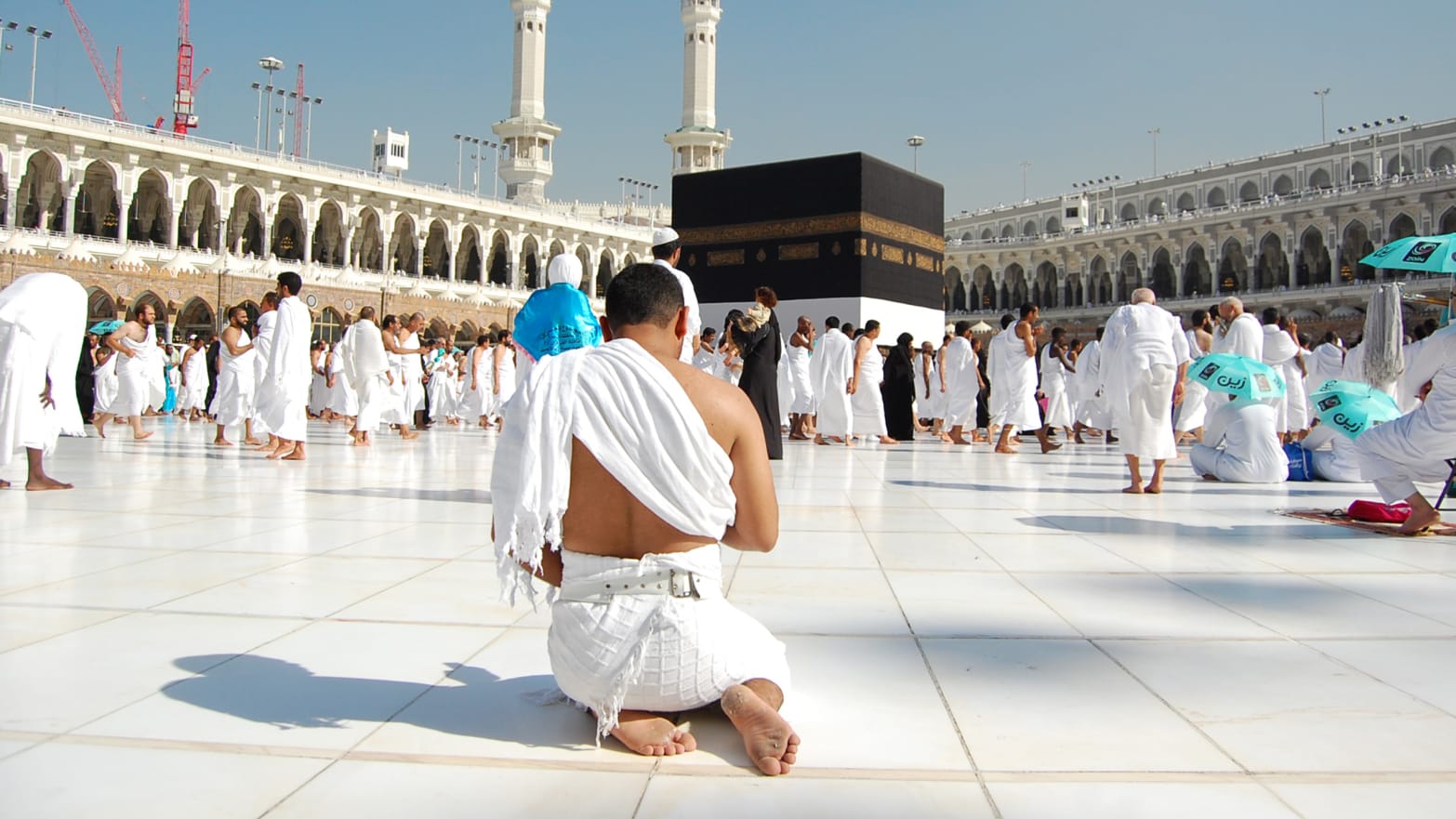
Understanding Hajj mistakes, missed rituals, possible penalties, and what to do when things do not go according toplan.
Hajj is one of the most important acts of worship in Islam. Every year, millions of Muslims travel to Makkah to fulfilthis sacred obligation, hoping to complete their pilgrimage correctly and earn the pleasure of Allah.
However, many pilgrims, especially first-time travellers, worry about making mistakes during Hajj. Questions such asWhat happens if I miss a ritual? Will my Hajj still be accepted? Do I have to pay a penalty? What if I forget something?are common concerns.
The good news is that Islam provides guidance for situations where pilgrims make mistakes, forget certain actions, orencounter unexpected difficulties. Not every mistake invalidates Hajj, and not every missed ritual carries the sameconsequence.
Understanding the difference between essential pillars, obligatory acts, and recommended practices can help pilgrimsapproach Hajj with greater confidence and peace of mind.
1. Does Every Mistake Invalidate Hajj?
No. Not every mistake invalidates Hajj.
Islamic scholars generally distinguish between three categories of actions during pilgrimage:
-
Pillars (Arkan): These are essential components of Hajj. Missing a pillar can invalidate the pilgrimage if it is notcompleted or corrected according to Islamic rulings.
-
Obligatory acts (Wajibat): These are required duties. Missing some obligatory acts may require a compensatorysacrifice known as Dam, depending on the circumstances and school of Islamic jurisprudence.
-
Sunnah and recommended acts: These are practices that bring additional rewards. Missing them generally doesnot invalidate Hajj or require a compensatory sacrifice.
For this reason, pilgrims should not immediately assume that their Hajj is invalid because they have forgotten a prayer,missed a recommended practice, or performed a ritual incorrectly.
The correct response depends on which act was missed, whether it was intentional or accidental, and whether it can stillbe corrected.
2. What Happens If You Miss Standing at Arafat?
Standing at Arafat, known as Wuquf at Arafat, is one of the most essential parts of Hajj.
Pilgrims must be present within the prescribed area of Arafat during the recognised period on the ninth day of Dhul-Hijjah.
The Prophet Muhammad (peace be upon him) emphasised the importance of Arafat in Hajj.
If a pilgrim completely misses the prescribed standing at Arafat, the consequences can be very serious because it is afundamental pillar of the pilgrimage.
A pilgrim who realises that they may miss this important obligation should immediately contact their Hajj group leaderand a qualified Islamic scholar for guidance.
3. What If You Forget Tawaf or Sa’i?
Tawaf and Sa’i are important acts of worship during Hajj.
-
Tawaf: Circling the Kaaba seven times.
-
Sa’i: Walking seven times between Safa and Marwah.
If a pilgrim forgets a required Tawaf or Sa’i, the appropriate correction depends on the particular type of pilgrimage, theritual involved, and the circumstances.
In some situations, the missed ritual can be completed when the pilgrim remembers. In other cases, additional religiousobligations may apply.
Pilgrims should not leave Makkah without confirming that all essential rituals have been completed.
If you discover an omission after returning home, contact a qualified scholar rather than assuming that nothing can bedone.
4. What Happens If You Miss Stoning the Jamarat?
Stoning the Jamarat is an important part of Hajj performed in Mina.
Pilgrims throw small pebbles at designated pillars, following the example of Prophet Ibrahim (peace be upon him) andthe established practices of Prophet Muhammad (peace be upon him).
Sometimes pilgrims miss the stoning because of:
-
Illness or physical exhaustion.
-
Confusion about the correct time.
-
Getting separated from their group.
-
Crowd congestion.
-
Forgetting the prescribed schedule.
If this happens, pilgrims should inform their group leader immediately.
Depending on the missed obligation and circumstances, a replacement action or compensatory sacrifice may berequired. Islamic rulings also provide concessions for certain people who are unable to perform the stoning themselves.
5. What If You Make a Mistake While Wearing Ihram?
Ihram is the sacred state a pilgrim enters before performing Hajj or Umrah.
During Ihram, certain activities are prohibited, including:
-
Using perfume after entering Ihram.
-
Cutting hair or trimming nails.
-
Removing hair intentionally.
-
Engaging in marital intimacy.
-
Hunting permitted land animals.
-
Men wearing ordinary tailored clothing that fits the body in the prohibited manner.
Accidentally violating an Ihram restriction is not necessarily treated in the same way as deliberately violating it.
The consequences depend on the particular prohibition, whether the act was intentional or accidental, and thecircumstances surrounding it.
If you make a mistake, avoid panicking. Stop the prohibited action, explain what happened to a knowledgeable scholar,and seek advice about whether any compensation is required.
6. What Should You Do Immediately After Making a Mistake DuringHajj?
Making a mistake during Hajj can be stressful, especially when you are surrounded by thousands of other pilgrims.
However, taking the correct steps can help prevent a small mistake from becoming a bigger problem.
Here are five important things to do:
-
Remain calm: Do not panic or make decisions based on fear.
-
Identify the mistake: Establish exactly which ritual was missed or performed incorrectly.
-
Inform your group leader: Your Hajj guide may help you understand the next step.
-
Consult an Islamic scholar: Seek an authoritative ruling based on your circumstances and school ofjurisprudence.
-
Correct the mistake: If the ritual can still be completed or repeated, follow the guidance provided.
Remember that the intention is to fulfil the pilgrimage correctly while following the teachings of Islam.
7. Can You Still Have an Accepted Hajj After Making a Mistake?
Yes, making a mistake does not automatically mean that Allah will reject your Hajj.
Allah is Most Merciful and knows the intentions, difficulties, and limitations of His servants.
A pilgrim may encounter unexpected challenges, forget certain actions, become ill, or struggle with the physicaldemands of the pilgrimage.
What matters is responding appropriately, correcting mistakes where possible, and sincerely seeking Allah’sforgiveness.
Acceptance of Hajj ultimately rests with Allah. Muslims should therefore strive to perform the pilgrimage correctlywhile maintaining hope in His mercy.
8. Frequently Asked Questions About Hajj Mistakes
Q1: Will my Hajj be invalid if I forget one of the rituals?
Not necessarily. Some forgotten actions can be corrected, while others may require compensation. The ruling dependson the specific ritual.
Q2: Do I have to repeat Hajj if I make a mistake?
Not every mistake requires repeating Hajj. Some omissions can be corrected through additional rituals or compensatoryactions. Consult a qualified scholar.
Q3: What is Dam in Hajj?
Dam refers to a compensatory animal sacrifice required in certain circumstances when a pilgrim fails to fulfil aparticular obligation or violates a specific Hajj restriction.
Q4: Can elderly or sick pilgrims receive special consideration?
Yes. Islamic teachings provide concessions for people facing illness, disability, and genuine hardship. Some rituals maybe performed with assistance or through authorised arrangements, depending on the applicable ruling.
Q5: What if I get separated from my Hajj group?
Contact your group leader, Hajj mission officials, or the relevant authorities. Keep your identification, accommodationdetails, and emergency contact information accessible.
Q6: Should I continue performing Hajj if I am unsure whether I made a mistake?
Yes, continue following your Hajj schedule unless instructed otherwise by a qualified scholar or the authorities. Seekclarification as soon as possible.
9. FINAL ADVICE: PREPARE YOURSELF BEFORE DEPARTINGFOR HAJJ
Hajj is a journey of faith, patience, sacrifice, and devotion. While pilgrims naturally want to perform every ritualperfectly, it is equally important to prepare for unexpected situations.
Before travelling, make sure you:
-
Attend Hajj orientation and educational programmes.
-
Understand the essential pillars and obligatory acts of Hajj.
-
Learn the correct procedures for Ihram, Tawaf, Sa’i, Arafat, Muzdalifah, and Mina.
-
Keep your travel documents and health certificates safe.
-
Stay close to your group leader.
-
Ask questions whenever you are uncertain about a religious obligation.
-
Keep emergency contacts readily available.
Above all, remember that Hajj is not simply about completing a series of physical activities. It is an act of worship thatrequires sincerity, patience, humility, and obedience to Allah.
Do not allow fear of making a mistake to overwhelm you. Learn the requirements, seek reliable guidance, and makeevery effort to perform your pilgrimage correctly.
May Allah accept the Hajj of all pilgrims, forgive their shortcomings, protect them throughout their journey, and grantthem Hajj Mabrur. Ameen.
Conclusion
Making a mistake during Hajj does not automatically mean that your pilgrimage is invalid. Some mistakes can becorrected, some may require compensation, and others may have more serious consequences.
The most important thing is to understand what went wrong and seek proper Islamic guidance immediately.
Prepare before you travel, remain patient throughout the pilgrimage, and never hesitate to ask knowledgeable people forassistance.
May Allah make Hajj easy for every intending pilgrim and grant everyone the opportunity to return home safely withan accepted pilgrimage. Ameen.
