


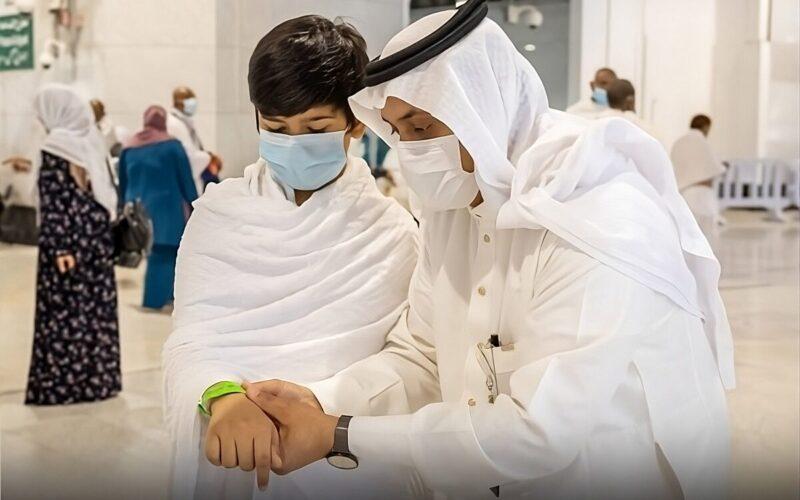
Raising a child is more than providing food, clothing, education and shelter. It also involves teaching them values that will guide their lives and strengthen their relationship with Allah.
In today’s world, children are exposed to different influences through television, social media, friends and their surroundings. Without proper guidance, they may grow up learning values that conflict with their Islamic identity.
This makes Islamic upbringing an important responsibility for every Muslim parent.
CHILDREN ARE AN AMANAH FROM ALLAH
Allah says:
“O you who have believed, protect yourselves and your families from a Fire whose fuel is people and stones…” Qur’an 66:6
This verse reminds believers of their responsibility towards their families. Parents should not focus only on their children’s physical and educational needs while neglecting their spiritual development.
Children need to understand who Allah is, why we worship Him and how Islam guides our daily lives.
TEACH ISLAM THROUGH EXAMPLE
Children learn not only from what parents tell them but also from what they observe.
A parent who teaches honesty but regularly lies in front of their children sends conflicting messages. A parent who tells children to pray but consistently neglects Salah may find it difficult to make prayer meaningful to them.
If you want your children to value Islam, allow them to see you practising it.
Let them see you praying, reading the Qur’an, speaking respectfully and treating people with kindness.
Your everyday behaviour can become one of their earliest Islamic lessons.
MAKE THE QUR’AN AND SUNNAH PART OF THEIR LIVES
Children should gradually learn the Qur’an, basic Islamic beliefs, daily supplications and the teachings of Prophet Muhammad (peace and blessings be upon him).
Teach them in ways appropriate to their age and understanding.
You can:
– Teach them short surahs and their meanings.
– Encourage them to pray and explain why Salah matters.
– Teach them to say Bismillah before eating.
– Help them understand halal and haram.
– Tell them stories of the Prophets.
– Encourage honesty, modesty and kindness.
Make learning enjoyable rather than turning every Islamic lesson into an occasion for punishment.
## LISTEN TO YOUR CHILDREN
Islamic upbringing is not only about giving instructions. Children also need parents who listen to their questions, concerns and experiences.
Create an environment where they feel comfortable asking questions about their faith and the world around them.
If they ask something you do not know, do not invent an answer. Let them know you will seek reliable knowledge.
A child who feels safe discussing difficult matters at home may be more willing to seek guidance from their parents when faced with challenges outside.
HEART CHECK
Parents can teach, guide and provide good examples, but guidance ultimately belongs to Allah.
Continue making du’a for your children’s faith, character, safety and future.
Remember that raising children with Islamic values is a continuous responsibility. It requires patience, consistency and sincere effort.
REFLECTION: If your children learn about Islam mainly by observing your daily behaviour, what lessons would they learn?
DU’A: O Allah, make our children righteous, protect their hearts, grant them beneficial knowledge and make them among those who establish their prayers and remain firm upon Your guidance. Ameen.
3SIXTYISLAM
At 3SixtyIslam, we believe Islamic knowledge should reach every generation. From Hajj and Umrah guidance to practical Islamic lessons for everyday life, our goal is to help Muslims learn, grow and strengthen their connection with Islam.
Follow 3SixtyIslam for more Islamic knowledge, guidance and inspiring stories for the whole family.
