


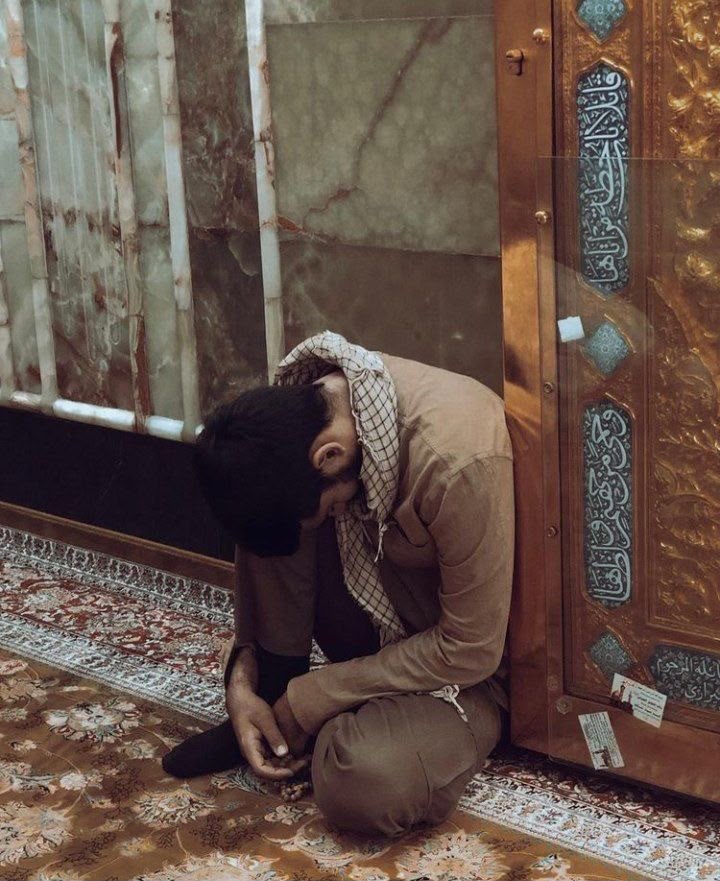
Understanding the hidden spiritual battles facing Muslim youth in a world full of distractions, doubts, pressures and competing influences.
There is a silent struggle taking place among some young Muslims today. It is happening in university lecture halls, workplaces, homes, social gatherings and even within Muslim communities. It is a struggle that many are afraid to talk about, yet it is becoming an important conversation that Muslim families, religious leaders and communities cannot afford to ignore.
Some young Muslims are gradually becoming disconnected from their faith. They may still identify as Muslims, celebrate Eid, observe Ramadan and maintain the appearance of religious commitment, but deep inside, they are struggling with questions, doubts and spiritual emptiness they do not know how to address.
Some are finding it difficult to maintain their daily prayers. Others are questioning religious teachings they once accepted without hesitation. Some feel uncomfortable discussing Islam with their friends, while others are quietly drifting towards lifestyles that conflict with the values they were raised with.
Perhaps the most concerning part of this situation is that many of these young people are suffering silently.
They are afraid of being judged, labelled as bad Muslims or accused of having weak faith. Consequently, instead of seeking guidance, they withdraw from conversations about religion and attempt to deal with their struggles alone.
But why are some young Muslims losing their connection with Islam, and what can families and Muslim communities do to help?
THE PRESSURE OF GROWING UP IN A WORLD FULL OF DISTRACTIONS
Today’s young Muslims are growing up in a world significantly different from the one their parents experienced.
Social media, entertainment, celebrity culture, peer pressure and changing societal expectations constantly compete for their attention. Every day, they are exposed to lifestyles, opinions and ideologies that may challenge the values they have been taught.
On platforms such as TikTok, Instagram and YouTube, they encounter messages that sometimes portray religious commitment as outdated, restrictive or incompatible with modern living.
The pressure to fit in can become overwhelming.
A young Muslim may begin to feel embarrassed about praying in public, observing Islamic dress requirements or refusing to participate in activities that contradict their beliefs.
Some begin to compromise their religious values simply because they want acceptance.
Others gradually distance themselves from Islamic practices because they fear being considered different.
However, Muslims must understand that living in a modern society does not require abandoning their religious identity. Islam is not an obstacle to education, professional development, meaningful friendships or personal achievement.
Allah reminds believers in the Qur’an:
“And whoever puts their trust in Allah, then He is sufficient for them.” (Qur’an 65:3).
Young Muslims need to understand that their worth is not determined by how closely they imitate popular culture but by their character, values and relationship with Allah.
WHEN QUESTIONS ABOUT ISLAM HAVE NOWHERE TO GO
One important reason some young Muslims become disconnected from their faith is their inability to discuss difficult religious questions openly.
Young people naturally have questions. They want to understand why certain things are permissible while others are prohibited. They want explanations about Islamic teachings, contemporary issues, relationships, suffering, justice and the purpose of life.
Some also encounter arguments against religion online and struggle to find reliable answers.
Unfortunately, when they raise such questions in certain environments, they may be dismissed, criticised or told that asking questions demonstrates weak faith.
This approach can create unnecessary distance between young people and religious guidance.
Having questions does not automatically mean someone has rejected Islam. Sometimes, it means they are searching for understanding and reassurance.
Parents, teachers, scholars and Islamic leaders should create environments where young Muslims can ask sincere questions without humiliation.
The Prophet Muhammad (peace and blessings be upon him) taught his companions with patience, wisdom and compassion. His approach reminds us that guidance requires understanding people, not merely condemning their mistakes.
Muslim communities must make room for thoughtful discussions while ensuring that questions about religious beliefs are addressed through authentic Islamic knowledge and qualified scholarship.
THE DANGER OF BEING MUSLIM ONLY BY FAMILY EXPECTATION
Some young Muslims practise Islam primarily because it is what their parents expect.
They pray because they are told to pray. They fast because everyone in the family is fasting. They attend Islamic gatherings because their parents insist.
While parental guidance is important, there is a difference between practising Islam because of external pressure and developing a personal conviction about one’s relationship with Allah.
When young people do not understand the meaning behind their religious obligations, their commitment may become fragile.
As soon as parental supervision reduces, some begin to abandon the very practices they were previously compelled to observe.
This is why Islamic upbringing must go beyond instructions and punishment.
Parents should explain the beauty of Salah, the purpose of fasting, the importance of good character and the mercy of Allah. Children should grow up understanding that Islam is not simply a collection of restrictions but a complete way of life that offers spiritual direction and moral guidance.
The goal should be to raise young Muslims who understand why they believe, not merely young people who know how to appear religious.
WHEN BAD EXPERIENCES WITH MUSLIMS AFFECT THEIR VIEW OF ISLAM
Another difficult reality is that some young Muslims become discouraged by the behaviour of people who are supposed to represent Islamic values.
They encounter hypocrisy, harsh judgement, discrimination, dishonesty, gossip and unnecessary hostility within Muslim environments.
Sometimes, those who speak most loudly about religion are the same people who demonstrate little compassion towards others.
A young person may experience bullying in an Islamic school, discrimination within a Muslim community or emotional abuse from someone who frequently uses religion to justify their behaviour.
These experiences can create confusion.
They may begin to associate the negative behaviour of certain Muslims with Islam itself.
But there is an important distinction every young Muslim should understand: Muslims are human beings who can make mistakes, while Islam is the religion whose teachings provide guidance for correcting those mistakes.
The misconduct of an individual should not become the standard by which the religion is judged.
Allah says:
“Indeed, Allah commands you to uphold justice and to do good…” (Qur’an 16:90).
Muslims must therefore understand that good character, fairness, compassion and honesty are not optional decorations of religious identity. They are central to Islamic teachings.
If Muslim communities want young people to remain connected to Islam, they must demonstrate its values through their actions.
THE STRUGGLE WITH SALAH AND SPIRITUAL CONSISTENCY
For some young Muslims, one of the earliest signs of spiritual disconnection is inconsistency in performing Salah.
What begins as occasionally missing a prayer can gradually become a habit. Before long, maintaining the five daily prayers becomes increasingly difficult.
Some feel guilty about their inconsistency but do not know how to return to a regular routine.
Others convince themselves that they will become more religious when they are older, more financially stable or less occupied with their careers.
But the truth is that nobody is guaranteed tomorrow.
Salah is not simply another activity to accommodate when life becomes convenient. It is a fundamental obligation and an essential part of a Muslim’s relationship with Allah.
Allah says:
“Indeed, prayer has been decreed upon the believers a decree of specified times.” (Qur’an 4:103).
Young Muslims who are struggling with Salah should not allow guilt to become another reason to abandon it.
Instead, they should make a sincere effort to return to their prayers, seek help when necessary and build consistency.
Missing prayers is a serious matter, but despairing of Allah’s mercy is not the solution.
Every sincere effort to return to Allah matters.
SOCIAL MEDIA, RELATIONSHIPS AND THE NORMALISATION OF SIN
The influence of social media on young Muslims cannot be ignored.
The internet has created opportunities for education, communication and Islamic learning. However, it has also made harmful influences more accessible.
Some young Muslims are constantly exposed to content that normalises behaviour Islam prohibits. Others find themselves participating in online conversations, relationships and activities that gradually weaken their commitment to Islamic values.
There is also the pressure to present a particular lifestyle online.
People showcase expensive holidays, luxurious possessions, romantic relationships and seemingly perfect lives. Young Muslims who compare themselves with these images may begin to feel that their religious commitments are preventing them from enjoying life.
Some may even begin to question whether they can remain practising Muslims while enjoying the opportunities available in the modern world.
The answer is yes.
Islam does not demand that Muslims abandon every form of enjoyment. Rather, it teaches believers to pursue what is beneficial while maintaining the boundaries established by Allah.
Young Muslims must learn to use technology responsibly, recognise harmful influences and understand that not everything popular is beneficial.
WHEN A YOUNG MUSLIM FEELS TOO SINFUL TO RETURN TO ALLAH
Perhaps one of the most painful struggles is the feeling that one has committed too many sins to deserve Allah’s forgiveness.
A young Muslim may become involved in behaviours they know are wrong. They may repeatedly fall into the same mistakes despite making promises to change.
Eventually, guilt can develop into hopelessness.
They may stop praying because they feel hypocritical. They may avoid the mosque because they believe they are not religious enough. Some even begin to think that Allah will never forgive them.
This is a dangerous misunderstanding of Allah’s mercy.
Allah says:
“Do not lose hope in Allah’s mercy. Indeed, Allah forgives all sins.” (Qur’an 39:53).
This verse offers a powerful reminder that no matter how far someone believes they have drifted, the door of sincere repentance remains open.
Young Muslims must understand that making mistakes does not mean they should abandon their relationship with Allah.
They should repent sincerely, make efforts to correct their behaviour and seek guidance from knowledgeable and compassionate people.
A person who has fallen should be encouraged to stand again, not pushed further into despair.
WHAT CAN PARENTS AND MUSLIM COMMUNITIES DO?
The responsibility of addressing this challenge does not belong to young Muslims alone.
Parents, Islamic scholars, teachers, community leaders and Muslim organisations all have important roles to play.
1. Create safe spaces for honest conversations
Parents should make it possible for their children to discuss religious questions, personal challenges and difficult experiences without immediately facing anger or humiliation.
Listening is sometimes the first step towards helping someone.
2. Teach Islam with wisdom and understanding
Islamic education should go beyond memorising rules. Young people should understand the wisdom behind Islamic teachings and how those teachings apply to everyday situations.
3. Make Muslim communities welcoming
Mosques and Islamic organisations should create meaningful opportunities for young people to participate, contribute and develop relationships with practising Muslims.
Young people should not feel that they only have a place in the mosque when they are being corrected.
4. Encourage meaningful mentorship
Young Muslims need positive role models who understand the challenges of contemporary society. Mentorship programmes can help them navigate education, careers, relationships, personal development and religious responsibilities.
5. Address mental and emotional struggles with compassion
Not every spiritual struggle is caused by a lack of religious commitment. Some young people are dealing with loneliness, anxiety, grief, depression or difficult family circumstances.
They should receive appropriate emotional support and professional help where necessary, alongside spiritual guidance.
6. Lead by example
Parents and community leaders must demonstrate the values they teach.
Young people are more likely to appreciate the beauty of Islam when they experience honesty, kindness, fairness and compassion from practising Muslims.
HOW YOUNG MUSLIMS CAN BEGIN REBUILDING THEIR RELATIONSHIP WITH ALLAH
If you are a young Muslim reading this and you feel that your faith is weakening, understand that you are not alone in facing spiritual challenges.
You do not have to pretend that everything is perfect.
You can begin by taking small but meaningful steps.
- Return to Salah and make a sincere effort to observe the five daily prayers.
- Read the Qur’an regularly, even if you begin with a few verses each day.
- Make sincere dua and speak to Allah about your struggles.
- Seek authentic Islamic knowledge from trustworthy scholars and reliable sources.
- Surround yourself with friends who encourage you to become better.
- Identify online influences that negatively affect your faith and make necessary changes.
- Repent whenever you fall into sin rather than allowing guilt to keep you away from Allah.
- Seek help from a knowledgeable, compassionate person when you encounter difficult questions.
Remember that strengthening one’s faith is a journey that requires sincerity, patience and consistent effort.
THE UMMAH CANNOT AFFORD TO IGNORE THE SPIRITUAL STRUGGLES OF ITS YOUTH
The future of the Muslim community depends significantly on the spiritual, intellectual and moral development of its young people.
We cannot continue to complain that young Muslims are becoming disconnected from Islam without examining the environments in which they are growing up.
We cannot demand that they remain committed to their faith while refusing to listen to their questions, understand their challenges or provide meaningful guidance.
We must move beyond criticism and embrace compassion, education, mentorship and sincere engagement.
At the same time, young Muslims must recognise that faith requires personal responsibility. The pressures of society, the influence of friends and the attractions of modern life should not become excuses for completely abandoning their relationship with Allah.
Islam offers guidance for every generation. Its teachings remain relevant, even as the world continues to change.
The young Muslim who is struggling today should not be written off. They should be encouraged, supported and reminded of the beauty of returning to Allah.
Sometimes, the person who appears furthest from the faith is simply someone who desperately needs the right guidance, a listening ear and a reason to begin again.
Our responsibility is not to push struggling young Muslims further away. It is to help them rediscover the faith, knowledge and purpose that can bring them closer to Allah.
A MESSAGE TO EVERY YOUNG MUSLIM STRUGGLING WITH FAITH
You may have missed prayers. You may have made mistakes. You may have questions you are afraid to ask. You may even feel that you have drifted too far away.
But do not allow your struggles to convince you that there is no way back.
Keep seeking knowledge. Keep making dua. Keep trying to improve. And never underestimate the mercy of Allah.
Your story does not have to end with spiritual disconnection.
It can begin again with sincere repentance and a renewed commitment to Allah.
