


Umrah is a beautiful act of worship that allows Muslims to draw closer to Allah (SWT), seek forgiveness, and renewtheir faith. For Muslim women, completing Umrah is a deeply spiritual experience filled with gratitude, reflection, anddevotion.
However, one important step that every Muslim woman should understand before completing Umrah is cutting the hairafter performing the rituals. This act, known as Taqsir, marks the completion of Umrah and the release from the state ofIhram.
While some women may be familiar with the general requirements of Umrah, questions often arise about how muchhair should be cut, when it should be cut, who can do it, and whether there are specific rules Muslim women mustfollow.
In this guide, we will explain everything Muslim women need to know about cutting their hair after Umrah, includingthe Islamic guidelines, common mistakes, and practical tips to make the process easier.
1. Why Do Muslim Women Have to Cut Their Hair After Umrah?
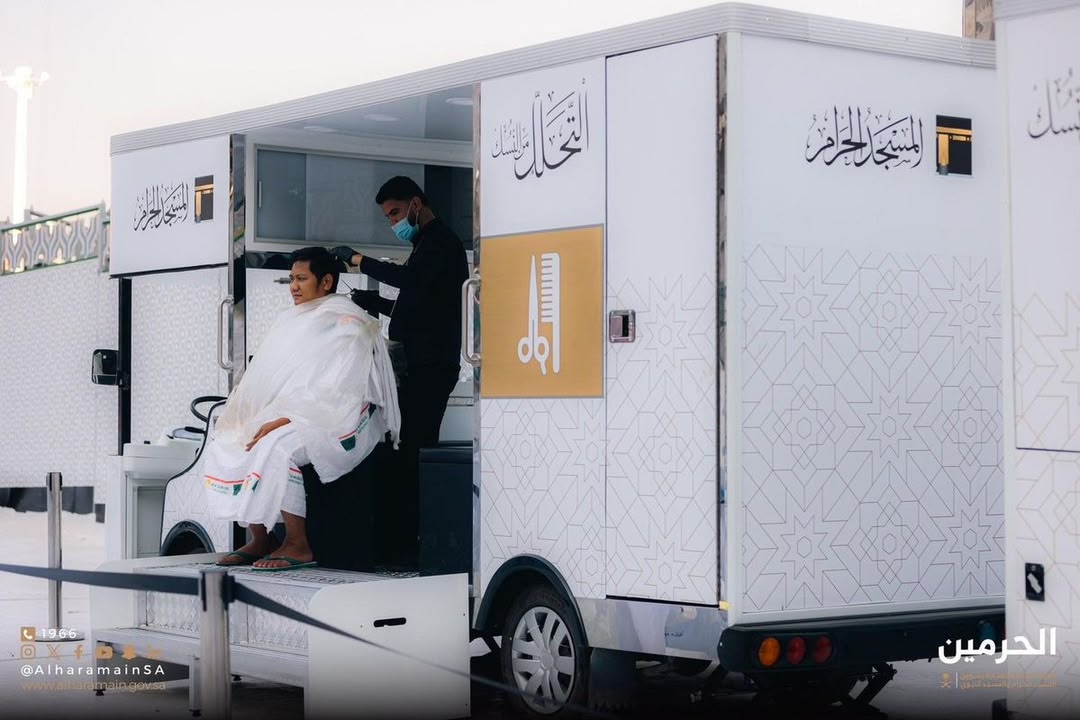
Cutting the hair is an essential part of completing Umrah for women. After performing Tawaf (circling the Kaaba) andSa’i (walking between Safa and Marwah), a woman must cut a portion of her hair to come out of the state of Ihram.
This act is called Taqsir.
Unlike men, who may either shave their heads completely (Halq) or shorten their hair (Taqsir), women are required toshorten a portion of their hair rather than shave their heads.
The act symbolises the completion of the pilgrimage rituals and obedience to Allah’s instructions.
Allah says in the Qur’an:
“Certainly has Allah showed to His Messenger the vision in truth. You will surely enter al-Masjid al-Haram, if Allahwills, in safety, with your heads shaved and hair shortened…” (Qur’an 48:27).
This verse highlights the importance of shaving or shortening the hair as part of the pilgrimage rituals.
2. How Much Hair Should a Muslim Woman Cut After Umrah?
One of the most frequently asked questions among women performing Umrah is how much hair they are required tocut.
The commonly taught guidance is that a woman should cut approximately the length of a fingertip from her hair, oftendescribed as one fingertip’s length, approximately 1–2 centimetres.
There are differences among Islamic schools of thought regarding the precise amount and method.
To avoid uncertainty, a woman can gather the ends of her hair and trim approximately one fingertip’s length from them,following the guidance of her school of Islamic jurisprudence.
It is important to understand that:
-
A woman does not need to cut off a large portion of her hair.
-
She should not shave her head.
-
A small trim is sufficient according to commonly followed scholarly guidance.
-
She should ensure that the required hair is actually cut, rather than simply touching or holding it.
The goal is not to change your hairstyle but to fulfil the religious requirement of completing Umrah.
3. Can a Woman Cut Her Hair by Herself After Umrah?
Yes. A Muslim woman can cut her own hair after completing Tawaf and Sa’i.
In fact, this is a convenient option, especially for women who prefer privacy or do not want someone else handling theirhair.
She can gather her hair together, take a small portion of the ends, and trim the required amount using clean scissors.
There is no requirement for another person to perform the cutting for her.
However, she should ensure that she follows the appropriate Islamic guidelines and completes the trimming beforeconsidering herself out of Ihram.
4. Can Another Woman Cut Her Hair?
Yes. Another woman can assist with cutting her hair.
For example, if a woman is travelling with her mother, sister, daughter, or female friend, they can help one another withthe process.
Some women prefer this option because it makes it easier to gather and trim their hair properly.
However, it is not compulsory to have another woman cut your hair. Doing it yourself is also acceptable.
5. Can a Woman Cut Her Hair in the Hotel After Umrah?
Yes, a woman can cut her hair in her hotel room after completing the required Umrah rituals.
She does not have to cut her hair inside Masjid al-Haram or immediately beside the Kaaba.
After completing Tawaf and Sa’i, she can return to her hotel or another suitable private place to perform the trimming.
What matters is that she cuts her hair as part of completing Umrah before leaving the state of Ihram.
For women who value privacy, cutting their hair in the hotel room is often a comfortable and practical choice.
6. Can a Woman Cut Her Hair While Still Wearing Her Hijab?
Yes. A woman can cut her hair while wearing her hijab, provided she can access the ends of her hair.
She may carefully loosen or adjust her head covering in a private place and trim the required amount.
There is no requirement to uncover her hair publicly for this ritual.
Muslim women should always maintain their modesty while completing this part of Umrah.
7. What Happens If a Woman Forgets to Cut Her Hair After Sa’i?
Forgetting to cut the hair after Sa’i can cause confusion, especially for women performing Umrah for the first time.
If a woman completes Tawaf and Sa’i but forgets to cut her hair, she should remember that she remains in the state ofIhram until the required hair-cutting ritual is completed.
She should avoid the restrictions of Ihram and cut her hair as soon as she remembers.
If she has already done something prohibited during Ihram because she mistakenly believed that her Umrah wascomplete, she should consult a qualified Islamic scholar about whether any compensation (Fidyah) is required.
The ruling may depend on what happened, whether it was intentional, and the Islamic school of thought she follows.
8. Can a Woman Remove Her Hijab or Change Her Clothes Before Cutting Her Hair?
A woman should understand that she remains in Ihram until she completes the hair-cutting requirement.
However, wearing ordinary modest clothing or removing the specific Ihram garments is not itself a condition forremaining in Ihram.
Unlike men, women do not have a special two-piece Ihram outfit. Their Ihram is observed through the appropriateintention and adherence to its restrictions.
Therefore, changing clothes does not automatically mean that a woman has exited Ihram.
She should complete the required hair trimming before considering herself released from Ihram.
9. Can a Woman Cut Only a Few Strands of Hair?
This is another common question.
The precise requirement differs among Islamic schools of thought. Some scholars require trimming from all the hair,while others have different specifications concerning the amount and method.
To avoid uncertainty, women are generally advised to gather their hair and trim a small amount from the ends ratherthan cutting just a few isolated strands.
Following the guidance of a trusted scholar or religious authority can help ensure that the ritual is performed correctly.
10. Can a Woman Shave Her Head After Umrah?
No. Muslim women are not required to shave their heads after Umrah.
The practice of shaving the head completely is prescribed for men as one of the options for completing Hajj or Umrah.
For women, the prescribed practice is to shorten the hair.
A woman should therefore avoid shaving her head and simply trim the required portion of her hair.
This distinction is important because the rules for men and women are not identical when it comes to completing thepilgrimage.
11. What Should Women Use to Cut Their Hair After Umrah?
There is no special equipment required for Taqsir.
A woman can use:
-
Clean scissors.
-
A small pair of personal grooming scissors.
-
A hair clip or elastic band to gather her hair.
It is advisable to carry a small pair of scissors in your luggage so that you can easily complete this part of Umrah.
However, remember to pack scissors in your checked luggage if airline security restrictions prohibit carrying them inhand luggage.
12. Common Mistakes Women Should Avoid When Cutting Their HairAfter Umrah
Although cutting the hair is a simple process, some women make mistakes because they are unfamiliar with therequirements.
Here are some common mistakes to avoid:
1. Forgetting to cut the hair
Completing Tawaf and Sa’i does not, by itself, release a woman from Ihram. She must also complete the required hairtrimming.
2. Cutting the hair before completing Sa’i
The hair-cutting ritual should be performed after completing the required Tawaf and Sa’i.
3. Shaving the head completely
Women should shorten their hair rather than shave their heads.
4. Assuming that changing clothes ends Ihram
Changing clothes does not replace the requirement to cut the hair.
5. Cutting too little without understanding the ruling
Women should learn the appropriate amount and method according to their school of thought rather than makingassumptions.
6. Allowing unnecessary pressure to rush the process
There is no need to rush. Find a suitable private place and complete the trimming carefully.
13. Practical Tips for Muslim Women Performing Umrah
If you are preparing for Umrah, a little planning can make the experience more comfortable.
Here are some helpful tips:
-
Pack a small pair of scissors in your checked luggage.
-
Learn the basic rituals of Umrah before travelling.
-
Understand the restrictions of Ihram.
-
Keep your personal grooming items organised.
-
If you have long or thick hair, use a hair tie to gather it before trimming.
-
Ask your female group leader or a knowledgeable scholar if you are unsure about the procedure.
-
Avoid relying on random advice from other pilgrims without verifying its Islamic basis.
Most importantly, remember that Umrah is an act of worship. Approach every step with sincerity, patience, and theintention of pleasing Allah.
Frequently Asked Questions About Hair Cutting After Umrah
Q1. Is cutting hair compulsory for women after Umrah?
Yes. Hair trimming (Taqsir) is required for a woman to complete Umrah and exit the state of Ihram.
Q2. How many inches should a woman cut after Umrah?
A commonly followed guideline is approximately one fingertip’s length, around 1–2 centimetres. The exact requirementdiffers among Islamic schools of thought.
Q3. Can I cut my hair myself after Umrah?
Yes. A woman can cut her own hair using clean scissors in a private place.
Q4. Can I cut my hair in my hotel room?
Yes. You do not have to cut your hair inside the mosque. You can complete the trimming in your hotel room after Sa’i.
Q5. Can my husband cut my hair after Umrah?
A husband may assist his wife, subject to the applicable Islamic guidelines. A woman can also cut her own hair.
Q6. Can I take a shower before cutting my hair after Umrah?
A woman should remain mindful of the restrictions of Ihram until the required trimming is completed. Althoughbathing is not itself prohibited in Ihram, she should avoid activities that are prohibited while in that state.
Q7. Can I remove my hijab after completing Sa’i but before cutting my hair?
A woman may uncover her hair in a private place, but she remains in Ihram until she completes the required trimming.
Q8. What if I have short hair?
Women with short hair should still complete the required trimming according to the applicable scholarly ruling. Theyshould seek guidance if their hair length makes the usual method difficult.
Q9. Can I use the same scissors as another woman?
Yes. There is no general requirement for every woman to have separate scissors, provided the scissors are clean and suitable for use.
Q10. When can I resume normal activities after cutting my hair?
Once the required hair trimming is completed, a woman exits Ihram and may resume the activities that were restricted during Ihram.
Final Thoughts
Cutting the hair after Umrah may seem like a small part of the pilgrimage, but it carries great religious significance. It marks the completion of the Umrah rituals and the transition out of Ihram.
Every Muslim woman should understand the importance of Taqsir, how much hair to trim, and the appropriate time to perform it.
Whether you choose to cut your hair yourself, ask another woman for assistance, or complete the process in the privacy of your hotel room, the most important thing is to ensure that you follow the correct Islamic guidelines.
Umrah is more than a journey to Makkah; it is an opportunity to strengthen your relationship with Allah, seek forgiveness, and return home with a renewed sense of faith.
May Allah accept the Umrah of every Muslim woman, forgive our shortcomings, and grant us the opportunity to visit His Sacred House again and again. Ameen.
Editorial note: Islamic rulings on the precise amount and method of women’s hair trimming differ among the four Sunni schools of jurisprudence. For a religiously authoritative publication, have the final guidance reviewed by a qualified scholar, particularly the sections discussing the amount of hair, forgotten trimming, and Ihram restrictions.
