

HOW TO MAKE ISLAM RELEVANT IN THE LIVES OF YOUNG MUSLIMS: RECONNECTING THE NEXT GENERATION WITH THEIR FAITH IN A CHANGING WORLD

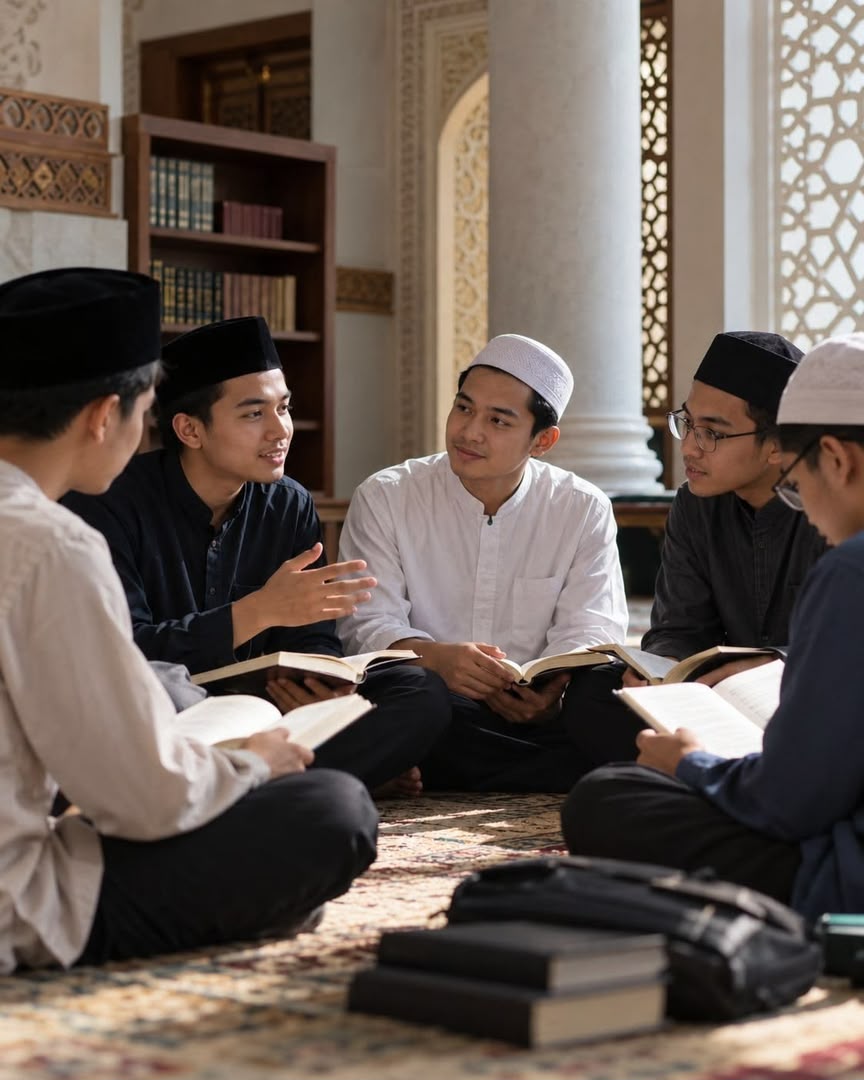
We live in a world where everything is constantly changing. Technology is advancing, social media is shaping opinions, lifestyles are evolving, and young people are increasingly exposed to different beliefs, cultures, and ideologies. In the middle of all these changes, one important question deserves our attention: How do we make Islam relevant in the lives of young Muslims today?
Islam is a complete way of life. It is not a religion that belongs only in the mosque, during Ramadan, or when we are faced with difficulties. It is a faith that provides guidance for every aspect of human existence, from personal development and relationships to education, business, leadership, and social interactions.
However, many young Muslims today struggle to connect the teachings of Islam with their everyday experiences. Some see religion as a collection of restrictions, while others feel that practising Islam makes it difficult to fit into modern society. Some are trying to balance their faith with academic pressure, career ambitions, relationships, social expectations, and the desire to experience life.
The problem is not that Islam has become outdated. Rather, the challenge is how Islamic teachings are communicated, understood, and practised in a generation whose experiences are different from those of previous generations.
If we want young Muslims to remain connected to Islam, we must help them understand that their faith is not a barrier to living meaningful, fulfilling, and successful lives. Instead, Islam provides the principles they need to navigate the complexities of the modern world.
1. STOP PRESENTING ISLAM AS A BURDEN AND START SHOWING ITS BEAUTY
One of the challenges young Muslims face is how Islam is sometimes introduced to them.
Too often, conversations about religion focus entirely on what is forbidden, what Muslims must not do, and the consequences of disobedience. While understanding halal and haram is essential, Islam should not be presented only through restrictions and warnings.
Young Muslims also need to understand the beauty of Islam: its emphasis on mercy, forgiveness, compassion, justice, patience, gratitude, and love for Allah.
They need to know that Islam teaches them how to find peace when life becomes overwhelming, how to remain hopeful during difficult moments, how to treat people with kindness, and how to maintain their dignity in a world that constantly challenges their values.
Allah says in the Qur’an:
“And We have not sent you, [O Muhammad], except as a mercy to the worlds.” (Qur’an 21:107).
This verse reminds us of the merciful foundation of the message of Islam.
When young people understand the wisdom behind Islamic teachings, they are more likely to develop a sincere connection with their faith rather than viewing religious obligations as meaningless rules.
We must teach them not only what Islam asks them to do but also why those teachings matter.
2. CONNECT ISLAMIC TEACHINGS TO REAL-LIFE CHALLENGES
Young Muslims are dealing with real challenges. They worry about their future, struggle with academic expectations, experience relationship difficulties, face financial uncertainty, and sometimes battle feelings of loneliness and inadequacy.
These are not issues that should be ignored when discussing Islam.
Instead, we should demonstrate how Islamic principles offer guidance in dealing with them.
For instance, when discussing anxiety about the future, we can introduce the concept of Tawakkul (reliance upon Allah). When discussing failure, we can explore Sabr (patience and perseverance). When addressing dishonesty in business or academics, we can discuss Amanah (trustworthiness).
When young Muslims struggle with comparison and low self-worth, we can remind them that their value is not determined by social media popularity, physical appearance, wealth, or societal expectations.
Islam has something meaningful to say about the situations young people encounter every day.
The more they understand how their faith applies to their personal experiences, the more they will recognise that Islam is not disconnected from their reality.
3. MAKE ROOM FOR HONEST QUESTIONS AND CONVERSATIONS
One of the greatest mistakes we can make when engaging young Muslims is making them feel that asking questions is a sign of weak faith.
Young people are naturally curious. They want to understand why certain things are permitted while others are prohibited. They want to explore difficult questions about religion, society, science, relationships, and contemporary lifestyles.
Some may even experience moments of doubt or confusion as they encounter different perspectives online.
Instead of dismissing their questions, we should create environments where they can ask, learn, and receive thoughtful explanations rooted in authentic Islamic knowledge.
A young Muslim who asks a difficult question should not automatically be labelled rebellious or irreligious.
We must remember that understanding is an important part of developing conviction.
Parents, teachers, Islamic scholars, and community leaders should encourage respectful conversations and provide reliable answers. Where an issue requires specialised knowledge, young people should be directed to qualified scholars rather than being given unsupported opinions.
The goal should not be to silence questions but to help young Muslims develop a deeper and more informed understanding of their religion.
4. USE SOCIAL MEDIA AS A TOOL FOR ISLAMIC EDUCATION
Social media has become a major part of modern life. Young people spend considerable time on platforms such as TikTok, Instagram, YouTube, and X.
These platforms influence how they dress, communicate, think, form relationships, and understand the world around them.
Rather than constantly complaining about social media, Muslims should also recognise its potential as a tool for positive influence and Islamic education.
Islamic organisations, scholars, educators, and Muslim content creators can use digital platforms to share beneficial reminders, explain Islamic concepts, discuss contemporary issues, and make authentic Islamic knowledge more accessible.
However, there must be a strong emphasis on accuracy and responsibility.
Not everyone who shares Islamic content online is qualified to issue religious rulings. A beautiful Islamic quote does not automatically make its source authentic, and a popular religious speaker is not necessarily correct about every subject.
Young Muslims should be encouraged to verify information, consult reliable scholars, and distinguish between authentic Islamic teachings and personal opinions.
Social media should become a means of strengthening our relationship with Allah, not a distraction that gradually weakens it.
5. SHOW YOUNG MUSLIMS THAT ISLAM AND AMBITION CAN COEXIST
There is sometimes a misconception that being deeply religious means abandoning personal ambitions, professional development, creativity, or worldly success.
This is far from the balanced approach Islam teaches.
Muslims are encouraged to seek beneficial knowledge, work honestly, contribute positively to society, support their families, and use their abilities for good.
A young Muslim can aspire to become a doctor, entrepreneur, engineer, journalist, teacher, artist, or technology professional while remaining committed to Islamic principles.
The important consideration is how those ambitions are pursued.
Are we earning through halal means? Are we maintaining our prayers? Are we treating people fairly? Are we using our skills responsibly? Are we remembering that our achievements come with responsibilities?
Allah says:
“But seek, through that which Allah has given you, the home of the Hereafter; and [yet], do not forget your share of the world…” (Qur’an 28:77).
This verse provides an important reminder about maintaining balance between the pursuit of the Hereafter and our responsibilities in this world.
Young Muslims should not feel that they must choose between having a meaningful career and being committed to their faith.
They should understand that success is not measured by worldly achievements alone, but also by the character, intentions, and values that guide their lives.
6. MAKE THE MOSQUE AND ISLAMIC COMMUNITIES MORE WELCOMING TO YOUNG PEOPLE
A mosque should be more than a place where Muslims gather for congregational prayers. It should also be a centre for learning, community development, mentorship, support, and positive social interaction.
Unfortunately, some young Muslims feel disconnected from their local Islamic communities. They may believe their concerns are not taken seriously or that there is little room for them to contribute.
Islamic institutions must make deliberate efforts to engage younger generations.
This could include:
- Organising youth-focused Islamic discussions and workshops.
- Creating mentorship programmes with knowledgeable and responsible adults.
- Providing opportunities for young Muslims to volunteer and serve their communities.
- Hosting conversations about contemporary issues affecting young people.
- Encouraging youth participation in community projects.
- Creating safe spaces for young people to seek guidance and support.
Young Muslims should not only be viewed as the future of the Muslim community. They are also an important part of its present.
Giving them meaningful responsibilities helps them develop a sense of belonging and encourages them to become active contributors to the Ummah.
7. ADDRESS THE INFLUENCE OF PEER PRESSURE AND MODERN CULTURE
One of the most difficult experiences for young Muslims is trying to maintain Islamic values in environments where those values may not always be understood or respected.
From relationships and fashion to entertainment, social activities, and lifestyle choices, young Muslims are constantly exposed to influences that may conflict with their religious beliefs.
Sometimes, the desire to fit in becomes so strong that individuals begin compromising their values to avoid being judged or excluded.
However, Islam teaches that a Muslim’s identity should not be determined by popular opinion.
This does not mean Muslims should isolate themselves from society or treat people who live differently with disrespect. Rather, it means learning how to participate positively in society without abandoning one’s principles.
Young Muslims need confidence in their identity.
They should understand that they can be kind without compromising their boundaries, friendly without participating in everything, and respectful of others without being ashamed of their faith.
The Prophet Muhammad (peace and blessings be upon him) taught that a person is influenced by the company they keep. This highlights the importance of choosing friendships and environments that encourage goodness.
We should therefore help young Muslims build healthy friendships and communities where practising Islam is supported rather than ridiculed.
8. TEACH ISLAM THROUGH EXAMPLE, NOT WORDS ALONE
Perhaps one of the most important ways to make Islam relevant to young Muslims is through the behaviour of the people who represent it.
Parents, teachers, scholars, community leaders, and older Muslims all have a responsibility to demonstrate Islamic values through their actions.
It is difficult to encourage young people to practise honesty when they regularly witness dishonesty from adults who preach about religion.
It is difficult to teach compassion when religious discussions are filled with insults, harshness, and unnecessary judgement.
It is difficult to encourage good character when people who are visibly religious treat others unfairly.
Islam is not simply about what we say; it is also about how we behave.
The Prophet Muhammad (peace and blessings be upon him) was an example of excellent character, mercy, patience, and compassion.
Young Muslims need positive role models who demonstrate that religious commitment should produce better human beings.
When they see Islam reflected in people’s honesty, humility, generosity, respect, and integrity, they begin to understand its practical beauty.
9. HELP YOUNG MUSLIMS DEVELOP A PERSONAL RELATIONSHIP WITH ALLAH
Beyond social activities, Islamic programmes, and community engagement, the most important connection a Muslim can develop is their relationship with Allah.
A young person may attend Islamic lectures, participate in religious activities, and share Islamic reminders online, but genuine spiritual growth requires something deeper.
It requires understanding the purpose of worship and developing sincerity in one’s relationship with the Creator.
Young Muslims should be encouraged to establish their prayers, engage with the Qur’an, make du’a, remember Allah, seek forgiveness, and learn about His names and attributes.
They should understand that Allah is not only the One they turn to when they have problems. He is the One they worship, love, trust, and remember in every stage of life.
The Prophet Muhammad (peace and blessings be upon him) said:
“Remember Allah during times of ease and He will remember you during times of hardship.” (Jami’ at-Tirmidhi).
This teaches an important lesson: our relationship with Allah should not depend entirely on our circumstances.
Young Muslims should learn to make room for their faith in their everyday routines, even when life becomes busy.
A few sincere minutes spent reading the Qur’an, a prayer performed with concentration, or a heartfelt du’a can become meaningful steps towards spiritual growth.
10. REMIND THEM THAT ISLAM IS A JOURNEY OF CONTINUOUS GROWTH
Another important issue is the expectation that Muslims must become perfect before they can consider themselves practising.
Some young people become discouraged because they struggle with certain aspects of their religion. They may miss prayers, fall into sins, struggle with consistency, or find it difficult to abandon habits they know are wrong.
Instead of allowing these struggles to push them further away from Islam, they should be encouraged to return to Allah and continue striving.
Islam teaches the importance of repentance, self-improvement, and never losing hope in Allah’s mercy.
Allah says:
“Say, ‘O My servants who have transgressed against themselves [by sinning], do not despair of the mercy of Allah. Indeed, Allah forgives all sins…'” (Qur’an 39:53).
This verse offers a powerful reminder that the door of repentance remains open.
We should teach young Muslims that making mistakes does not mean they should abandon their faith. What matters is their willingness to acknowledge their shortcomings, seek forgiveness, learn, and make sincere efforts to improve.
The objective is not to raise a generation that pretends to be perfect. It is to nurture a generation that sincerely strives to become better Muslims.
11. MAKE ISLAMIC EDUCATION MORE ENGAGING AND ACCESSIBLE
The way Islamic knowledge is communicated also matters.
Young people today have access to information through videos, podcasts, online courses, discussion forums, and digital learning platforms.
Islamic education should take advantage of these opportunities without compromising the authenticity and depth of religious knowledge.
Rather than limiting Islamic learning to traditional lectures alone, communities can introduce interactive discussions, practical workshops, book clubs, educational videos, youth conferences, and structured online learning programmes.
Topics should also address the questions young people encounter in contemporary society.
For example:
- What does Islam teach about mental well-being?
- How should Muslims navigate social media?
- What are the Islamic principles of financial responsibility?
- How can young Muslims maintain their faith in challenging environments?
- What does Islam teach about relationships and emotional responsibility?
- How can Muslims use modern technology ethically?
These conversations make Islamic learning more relatable while helping young people appreciate the depth and relevance of their religion.
12. GIVE YOUNG MUSLIMS A SENSE OF PURPOSE AND RESPONSIBILITY
Young Muslims need to understand that being part of the Ummah comes with responsibilities.
Islam encourages Muslims to contribute positively to the world around them. This includes helping the vulnerable, supporting education, caring for neighbours, protecting the environment, promoting justice, and serving humanity.
Young people should be encouraged to see themselves as individuals who can make meaningful contributions to their communities.
They can organise charity projects, support educational initiatives, mentor younger children, participate in community development, and use their professional skills to solve social problems.
Their faith should inspire them to become people who bring benefit wherever they go.
When young Muslims recognise that Islam gives them a purpose beyond personal success, they begin to understand that their religion is not merely a private identity but a complete framework for living responsibly.
CONCLUSION: THE FUTURE OF ISLAM BEGINS WITH HOW WE NURTURE THE PRESENT GENERATION
Making Islam relevant in the lives of young Muslims does not mean changing the religion to accommodate every modern trend. Islam is not required to compromise its principles to remain meaningful.
Rather, it means presenting its timeless teachings in ways that help young people understand their faith, navigate contemporary challenges, and recognise its wisdom in their everyday lives.
We must listen to young Muslims, address their concerns, encourage their questions, provide meaningful guidance, and create communities where they feel valued.
We must also remember that young people do not need endless criticism. They need knowledge, understanding, encouragement, positive role models, and opportunities to grow.
Most importantly, they need to understand that Islam is not something they should remember only when life becomes difficult. It is a way of life that can guide them through every stage of their journey.
The world will continue to change. New technologies will emerge, social expectations will evolve, and new challenges will arise. But the fundamental principles of Islam will remain a source of guidance for those who seek to live by them.
Our responsibility is to nurture a generation that does not merely identify as Muslim but understands its faith, loves its Creator, embodies Islamic character, and confidently practises Islam in every aspect of life.
Because the goal is not simply to raise young Muslims who know about Islam. It is to raise young Muslims who understand it, live by it, and find purpose in it.
May Allah guide our youth, strengthen their Iman, protect them from harmful influences, and make them among those who carry the beauty of Islam wherever they go. Ameen.
REFLECTION FOR OUR READERS
As Muslims, parents, educators, and members of the Ummah, we must ask ourselves:
- Are we making Islam understandable and accessible to the younger generation?
- Are we listening to their struggles or simply criticising their choices?
- Are we providing positive examples of what it means to practise Islam?
- Are we creating communities where young Muslims feel welcomed, supported, and valued?
- Most importantly, are we demonstrating through our own lives the beauty of the religion we encourage them to follow?
The future of our Ummah depends, in part, on the guidance, knowledge, and values we pass on today.
Let us make Islam not just a religion young Muslims inherit, but a faith they understand, appreciate, and consciously choose to live by.
