

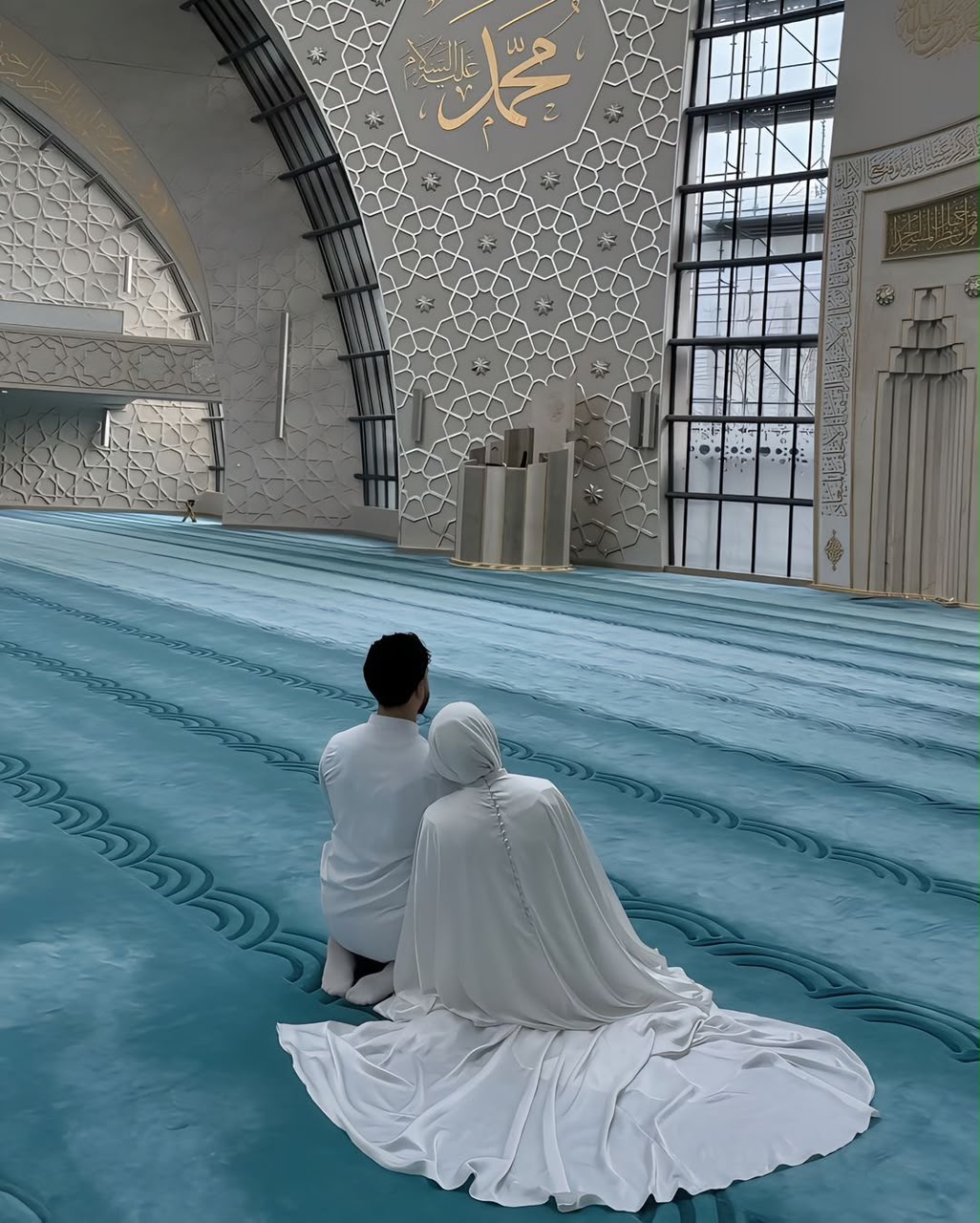
Choosing a spouse is one of the biggest decisions you will ever make as a Muslim. Marriage is not simply about finding someone you are attracted to, someone who makes you smile, or someone who promises to give you the life you have always dreamed of.
It is about choosing a person you will share your faith, home, responsibilities, challenges, and future with.
As Muslims, we are encouraged to approach marriage with sincerity, wisdom, and reliance upon Allah. We make Dua for a righteous spouse, pray Salatul Istikhara, seek advice from trustworthy people, and hope to build a marriage that brings us closer to Allah.
But sometimes, in the excitement of finding someone we love, we overlook warning signs.
We make excuses for disrespectful behaviour because we are emotionally attached. We ignore dishonesty because the person promises to change. We tolerate controlling behaviour because we mistake it for love. We overlook a lack of religious commitment because we believe marriage will automatically make the person better.
Unfortunately, ignoring these signs before marriage can lead to serious problems afterwards.
Not every person who expresses interest in marrying you is suitable for you. And not every relationship that feels good is necessarily good for your Dunya and Akhirah.
If you are a Muslim considering marriage, here are some important red flags you should never ignore when choosing a spouse.
1. THEY HAVE NO SERIOUS COMMITMENT TO ALLAH AND ISLAM
One of the first things to consider when choosing a Muslim spouse is their relationship with Allah.
You do not need to marry someone who knows everything about Islam or has never made a mistake. Nobody is perfect.
However, there should be some genuine commitment to practising Islam.
Be cautious if someone:
- Deliberately neglects the five daily prayers without concern.
- Makes fun of Islamic teachings.
- Treats religious obligations as unimportant.
- Encourages you to abandon your Islamic values.
- Becomes angry whenever you remind them about Allah.
- Uses religion only when it benefits them.
Marriage is a journey that should help both partners grow spiritually.
Imagine marrying someone who constantly discourages you from praying, fasting, attending Islamic gatherings, or practising your religion.
That can become a serious challenge.
The Prophet Muhammad (peace and blessings be upon him) taught that a woman may be married for several reasons, including wealth, lineage, beauty, and religion, and encouraged choosing the religious one.
(Sahih al-Bukhari 5090; Sahih Muslim 1466)
The lesson is that religious commitment deserves serious consideration when choosing a spouse.
Do not confuse religious appearance with genuine character and sincerity.
2. THEY ARE DISRESPECTFUL TOWARDS THEIR PARENTS AND OTHER PEOPLE
Pay attention to how someone treats people, especially those who cannot offer them anything in return.
Someone may speak politely to you during courtship but behave terribly towards their parents, siblings, domestic workers, waiters, or strangers.
This is worth paying attention to.
If someone constantly insults their parents, humiliates people, speaks rudely to others, or believes everyone must serve them, ask yourself how they might behave when the excitement of marriage fades.
Of course, not every difficult relationship with parents means someone is a bad person. Family circumstances can be complicated, and some people have experienced genuine mistreatment.
What matters is their general attitude towards others.
A good spouse should understand the importance of kindness, respect, patience, and good character.
The Prophet Muhammad (peace and blessings be upon him) said:
“The best of you are the best to their families.”
(Jami’ at-Tirmidhi 3895)
Do not ignore someone’s character simply because they are romantic towards you.
3. THEY LIE ABOUT IMPORTANT THINGS
Honesty is one of the foundations of a healthy marriage.
If someone repeatedly lies during courtship, you should take that behaviour seriously.
Perhaps they lie about their employment, finances, previous marriage, children, family circumstances, debts, or other important matters.
They may tell small lies and later dismiss them as harmless.
But dishonesty can destroy trust before a marriage even begins.
Pay attention if someone:
- Frequently changes their stories.
- Hides important information.
- Makes promises they never intend to fulfil.
- Lies about where they have been.
- Denies things you have clear evidence of.
- Blames you whenever you question inconsistencies.
Marriage requires trust, and trust cannot grow properly where dishonesty is normal.
You deserve to make an informed decision about the person you are considering marrying.
4. THEY ARE EXCESSIVELY CONTROLLING
There is a difference between caring about someone and controlling them.
A person who genuinely cares about you will respect your dignity, listen to your concerns, and discuss important decisions with you.
A controlling person, however, may want to dictate every aspect of your life.
For example:
- They demand access to all your passwords.
- They monitor your phone constantly.
- They dictate what you can wear beyond mutually understood Islamic expectations.
- They prevent you from maintaining healthy family relationships.
- They become angry when you spend time with friends.
- They expect you to seek permission for every ordinary activity.
- They use religion to justify unreasonable demands.
Some people disguise controlling behaviour as protection or love.
They may say, “I am only doing this because I love you.”
But love should not be used as an excuse to humiliate, intimidate, isolate, or manipulate someone.
Islam recognises responsibilities and rights within marriage, but those responsibilities do not give either spouse permission to oppress the other.
5. THEY HAVE A BAD TEMPER AND CANNOT CONTROL THEIR ANGER
Anger is a normal human emotion. Everyone experiences it.
However, how someone behaves when angry can reveal a lot about their character.
Be careful if someone:
- Shouts whenever there is a disagreement.
- Insults you during arguments.
- Threatens to hurt you.
- Breaks objects when frustrated.
- Uses physical intimidation.
- Blames you for their aggressive behaviour.
- Refuses to apologise after hurting you.
Do not assume that someone who behaves aggressively before marriage will suddenly become gentle afterwards.
Marriage involves disagreements, financial pressures, family responsibilities, and unexpected challenges.
You need someone who can communicate respectfully even when things do not go according to plan.
If someone threatens or physically harms you, take it seriously. Prioritise your safety and seek support from trustworthy people.
You are not required to tolerate abuse to prove that you are patient.
6. THEY USE RELIGION TO MANIPULATE YOU
This is one of the most dangerous red flags to overlook.
Some people know how to use Islamic language to make others feel guilty, powerless, or afraid to speak up.
They may quote religious teachings whenever they want something but ignore Islamic principles when those principles require them to behave responsibly.
For example:
- They constantly remind you about obedience but ignore kindness and fairness.
- They use religious threats to silence your concerns.
- They tell you that questioning their behaviour means you have weak Iman.
- They use the concept of patience to convince you to tolerate mistreatment.
- They demand religious privileges without accepting their own responsibilities.
Remember that Islam is not a tool for manipulation.
Marriage involves rights and responsibilities for both spouses.
A person who genuinely fears Allah should understand that they are accountable for how they treat their spouse.
Do not allow someone to use religious language to make you accept injustice.
7. THEY REFUSE TO TAKE RESPONSIBILITY FOR THEIR MISTAKES
Nobody enters marriage without flaws.
You will make mistakes, your spouse will make mistakes, and both of you will need to learn how to resolve disagreements.
However, a major red flag is someone who never accepts responsibility.
Whenever something goes wrong, they blame:
- Their parents.
- Their friends.
- Their previous partners.
- Their financial situation.
- Their upbringing.
- You.
They never apologise sincerely or acknowledge how their actions affect others.
Instead, they always present themselves as the victim.
A healthy marriage requires two people who can admit when they are wrong.
Look for someone who can say, “I made a mistake. I am sorry, and I will work on it.”
That attitude is far more valuable than someone who always wants to win an argument.
8. THEY HAVE A HISTORY OF CHEATING OR DISLOYALTY AND SHOW NO REMORSE
Trust and faithfulness are important in marriage.
If someone has repeatedly betrayed previous partners, lies about their interactions with others, or openly disrespects relationship boundaries, you should pay attention.
A person’s past does not automatically determine their future.
Someone who has sincerely repented, changed their behaviour, and demonstrated accountability should not be permanently defined by previous mistakes.
However, there is a difference between someone who acknowledges their wrongdoing and someone who proudly repeats it.
Be cautious if someone:
- Brags about cheating.
- Keeps entertaining inappropriate romantic relationships.
- Lies about interactions with other people.
- Refuses to respect agreed boundaries.
- Blames previous partners for every betrayal.
- Shows no intention of changing.
Do not enter a marriage believing that your love alone will change someone who has no desire to change.
9. THEY ARE FINANCIALLY IRRESPONSIBLE AND DISHONEST ABOUT MONEY
Financial compatibility is an important part of marriage.
Islam recognises financial responsibilities within marriage, including the husband’s obligation to provide maintenance according to his means.
However, both spouses should approach financial matters with honesty and responsibility.
A red flag is someone who:
- Constantly borrows money without repaying it.
- Lies about their income or debts.
- Has a gambling problem.
- Spends irresponsibly while neglecting obligations.
- Expects you to fund their lifestyle without discussion.
- Hides major financial commitments.
- Uses money to control or threaten you.
Being wealthy is not a requirement for marriage.
Someone with a modest income can make an excellent spouse if they are honest, hardworking, responsible, and willing to plan together.
Do not judge someone’s suitability solely by their bank balance.
Look at their attitude towards money, responsibility, generosity, and financial transparency.
10. THEY DO NOT RESPECT YOUR BOUNDARIES
A person who wants to marry you should respect your dignity and personal boundaries.
This includes your religious values, emotional comfort, physical boundaries, and right to express your concerns.
Be cautious if someone:
- Pressures you into physical intimacy before marriage.
- Makes you feel guilty for maintaining Islamic boundaries.
- Demands private photographs.
- Insists on secrecy that makes you uncomfortable.
- Disregards your wishes when you say no.
- Pressures you into decisions you are not ready to make.
Someone who genuinely intends to marry you should not need to compromise your Islamic principles to prove your affection.
Respect is not something you should have to beg for.
11. THEY ARE SECRETIVE ABOUT THEIR INTENTION TO MARRY YOU
Marriage should involve clarity and seriousness.
If someone has been talking to you romantically for years but consistently avoids discussing marriage, you should consider whether your intentions are actually aligned.
Be cautious if they:
- Always postpone conversations about marriage.
- Refuse to involve their family when appropriate.
- Avoid discussing realistic timelines.
- Make promises without taking practical steps.
- Want the benefits of a relationship without accepting responsibility.
- Keep you emotionally attached while refusing to offer clarity.
Of course, some people need time to prepare financially, emotionally, or practically.
That is understandable.
But there should be honest communication about expectations and intentions.
You should not have to spend years guessing whether someone genuinely wants to marry you.
12. THEY HAVE NO RESPECT FOR YOUR FAMILY
Marriage does not mean that your spouse must agree with every member of your family.
Sometimes families have disagreements, and healthy boundaries are necessary.
However, there is a difference between setting boundaries and deliberately disrespecting your loved ones.
Pay attention if someone constantly insults your parents, mocks your family background, or tries to create unnecessary conflict between you and people who genuinely care about you.
Also, consider how they speak about their own family.
Do they communicate respectfully, even when there are disagreements?
Can they discuss family boundaries maturely?
These conversations matter because marriage often involves navigating relationships with extended family members.
A suitable spouse should be able to respect your family while also maintaining healthy boundaries.
13. THEY EXPECT YOU TO CHANGE EVERYTHING ABOUT YOURSELF
There is nothing wrong with encouraging one another to become better Muslims.
In fact, spouses should support each other’s spiritual and personal growth.
However, it becomes concerning when someone enters a marriage discussion with the intention of completely changing your personality, ambitions, identity, or values.
For example:
- They constantly criticise your appearance.
- They make you feel inadequate.
- They mock your education or career ambitions.
- They want you to abandon every interest you have.
- They compare you unfavourably with other people.
- They make you feel that you are never good enough.
Marriage involves compromise, but compromise should not mean losing your dignity.
You should be able to grow together without feeling that you must erase yourself to deserve love.
14. THEY HAVE AN ADDICTION THEY REFUSE TO ADDRESS
Some personal struggles can seriously affect married life, especially when the person refuses to acknowledge them.
These may include:
- Gambling.
- Substance misuse.
- Pornography consumption.
- Compulsive sexual behaviour.
- Uncontrolled spending.
- Other destructive or compulsive habits.
Having a struggle does not automatically make someone unsuitable for marriage.
People can seek help, recover, repent, and make meaningful changes.
However, refusing to acknowledge a serious problem, repeatedly lying about it, or expecting marriage to magically solve it is a major concern.
You should not be expected to become someone’s therapist or recovery programme.
Important issues that could affect married life should be discussed honestly before marriage, with appropriate sensitivity and respect for privacy.
15. THEY REFUSE TO COMMUNICATE ABOUT IMPORTANT MARRIAGE ISSUES
Marriage is not sustained by attraction alone.
There are important subjects that both people should discuss before making a lifelong commitment.
These include:
- Religious expectations and level of practice.
- Children and parenting.
- Financial responsibilities.
- Living arrangements.
- Career and education plans.
- Family involvement.
- Household responsibilities.
- Polygamy expectations, where relevant.
- Conflict resolution.
- Health matters that could significantly affect married life.
A red flag is someone who refuses to discuss these subjects and simply tells you to trust them.
You should be able to ask reasonable questions without being made to feel difficult or disrespectful.
A serious marriage conversation is not an interrogation. It is an opportunity for both people to understand whether they are compatible.
16. THEY MAKE YOU FEEL GUILTY FOR HAVING STANDARDS
Sometimes, when you express what you want in a spouse, someone may accuse you of being too demanding.
You want a practising Muslim, and they say you are being unrealistic.
You want honesty, and they say nobody is perfect.
You want emotional maturity, and they tell you that you should simply be patient.
You want financial responsibility, and they accuse you of being materialistic.
There is a difference between having unrealistic expectations and having reasonable standards.
Wanting a spouse who prays, respects you, communicates honestly, and treats you kindly is not asking for too much.
You should not lower your essential standards simply because you are afraid of remaining unmarried.
Marriage is a serious commitment. Take your time to make a wise decision.
17. GREEN FLAGS YOU SHOULD LOOK FOR IN A MUSLIM SPOUSE
While identifying red flags is important, it is equally important to recognise positive qualities.
Here are some green flags worth looking for.
1. They genuinely fear Allah.
They try to fulfil their obligations and understand that their actions are accountable before Allah.
2. They have good character.
They are respectful, patient, honest, and considerate towards others.
3. They communicate openly.
They can discuss difficult subjects without insulting, threatening, or manipulating you.
4. They take responsibility.
They acknowledge their mistakes and make genuine efforts to improve.
5. They respect boundaries.
They do not pressure you into compromising your Islamic principles.
6. They are emotionally mature.
They can handle disagreements without becoming abusive or unnecessarily hostile.
7. They are responsible.
They take their obligations seriously and approach finances and family responsibilities with maturity.
8. They encourage your relationship with Allah.
They want a marriage in which both partners grow spiritually and support one another in doing good.
9. They are transparent about important matters.
They are willing to have honest conversations about their circumstances and expectations.
10. They understand that marriage is a responsibility.
They do not see marriage only as romance, companionship, or physical attraction. They understand the rights and responsibilities involved.
18. BEFORE SAYING YES, DO THESE THINGS
Choosing a spouse requires more than feelings.
Here are some practical steps to take before agreeing to marriage.
1. Perform Salatul Istikhara
Ask Allah to guide you towards what is best.
Istikhara is not about waiting for a dream or a mysterious sign. It is a prayer in which you seek Allah’s guidance when making a decision.
2. Involve trustworthy people
Speak to people who know you, have your best interests at heart, and can offer honest advice.
Your parents, guardians, or trusted elders may notice things you have overlooked.
3. Ask meaningful questions
Do not be afraid to discuss important subjects before marriage.
A person who is serious about marriage should understand that these conversations are necessary.
4. Observe their behaviour
Do not judge someone only by what they say.
Pay attention to how they behave when they are frustrated, disappointed, challenged, or unable to get what they want.
5. Make reasonable enquiries
With appropriate respect for privacy, seek reliable information about their character, marital status, responsibilities, and important circumstances.
Do not rely on rumours or gossip.
6. Do not ignore serious warning signs
If you discover dishonesty, abuse, manipulation, or other serious problems, take them seriously.
You are allowed to reconsider your decision.
7. Remember that you have a choice
You should not enter a marriage because of pressure from relatives, fear of age, financial desperation, or the belief that this is your only opportunity.
Marriage requires free and informed consent.
FINAL WORDS: DO NOT LET THE DESIRE TO GET MARRIED MAKE YOU IGNORE WHAT MATTERS
Marriage is a beautiful blessing, but choosing the wrong person can bring unnecessary hardship into your life.
Do not become so desperate to get married that you ignore dishonesty, disrespect, manipulation, abuse, or a lack of shared values.
Do not assume that someone will change simply because you marry them.
People can change, but meaningful change requires personal responsibility, sincere effort, and consistency.
Remember that you are not searching for a perfect human being. You are looking for someone who is willing to build a healthy, respectful, loving, and Islamically grounded marriage with you.
Look beyond physical appearance, romantic words, wealth, and social status.
Pay attention to their character, relationship with Allah, emotional maturity, honesty, and attitude towards responsibility.
Perform Istikhara, seek advice, ask the necessary questions, and trust Allah while making a thoughtful decision.
May Allah grant every unmarried Muslim a righteous spouse who will be a source of peace, love, mercy, and goodness in this life and the Hereafter. May Allah protect us from abusive marriages, deception, manipulation, and partners who will take us away from Him.
May Allah grant us spouses who will hold our hands towards Jannah. Ameen.
FREQUENTLY ASKED QUESTIONS (FAQs)
1. What is the biggest red flag when choosing a Muslim spouse?
There is no single red flag that applies to every situation, but dishonesty, abusive behaviour, manipulation, and a refusal to take responsibility are serious warning signs. A lack of genuine commitment to religious obligations is also an important compatibility concern.
2. Should I marry someone who does not pray five times daily?
The five daily prayers are obligatory in Islam, and deliberately neglecting them is a serious matter. You should take this issue seriously, seek knowledgeable Islamic guidance, and consider whether your religious values and expectations are compatible.
3. Can someone change after marriage?
People can change, but you should not enter marriage relying on an imagined future version of someone. Look for genuine efforts and consistent behavioural changes before making your decision.
4. Is it wrong to reject someone because of their character?
No. Character is an important consideration in marriage. You are allowed to decline a proposal if you believe the person’s behaviour, values, or circumstances are unsuitable for you.
5. Should I perform Istikhara before accepting a marriage proposal?
Yes. Salatul Istikhara is a beautiful Sunnah for seeking Allah’s guidance when making important decisions. It should be combined with consultation, reasonable enquiries, and careful consideration.
6. What if my family likes someone but I have noticed red flags?
Do not ignore serious concerns simply because your family approves. Discuss your observations respectfully, explain why they concern you, and seek advice from trustworthy people who can assess the situation objectively.
7. Is financial instability a red flag when choosing a husband?
Not necessarily. Being financially modest or temporarily struggling does not automatically make someone unsuitable. However, dishonesty, irresponsibility, hidden debts, and unwillingness to fulfil financial obligations are important concerns.
8. Should I marry someone who has a sinful past?
A person’s past does not automatically define their future. Islam encourages sincere repentance. Consider their present character, genuine changes, honesty about matters relevant to marriage, and commitment to doing better.
9. How do I know if someone genuinely wants to marry me?
Look for clarity, consistency, respectful communication, and practical steps towards marriage. Genuine intentions should eventually be reflected in responsible actions, not just romantic promises.
10. Can I reject a marriage proposal even if the person is religious?
Yes. Religious commitment is important, but compatibility, character, consent, emotional maturity, and mutual expectations also matter. You are not obligated to marry someone simply because they are practising Islam.
11. What if I am afraid of getting older and not finding a spouse?
Do not allow fear or social pressure to make you accept a harmful situation. Marriage is not a race. Continue making Dua, take reasonable steps towards finding a suitable spouse, and trust Allah’s timing.
12. What should I prioritise when choosing a spouse in Islam?
Prioritise religious commitment, good character, honesty, compatibility, responsibility, mutual respect, and the willingness to fulfil the rights and responsibilities of marriage. Seek Allah’s guidance throughout the process.
