

HOW TO MANAGE CROWDS, FATIGUE AND PHYSICAL EXHAUSTION DURING UMRAH: A COMPLETE GUIDE FOR PILGRIMS

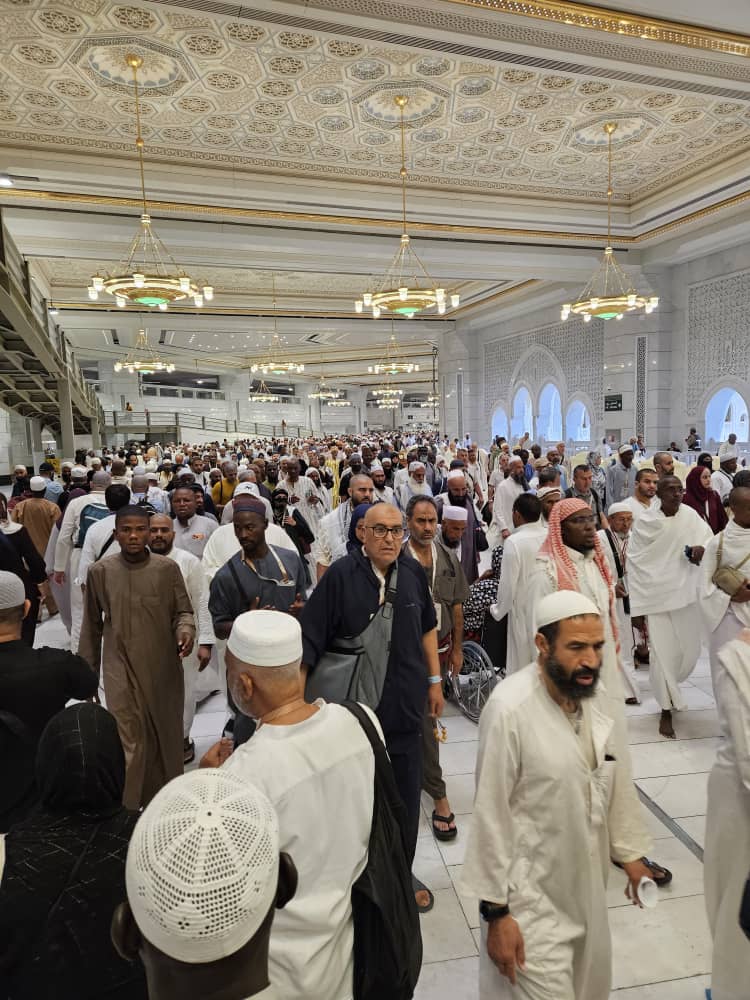
Performing Umrah is one of the most beautiful and spiritually rewarding experiences in a Muslim’s life. Every year, millions of Muslims travel to Makkah to visit the Holy Ka’bah, perform Tawaf, complete Sa’i between Safa and Marwah, and draw closer to Allah.
However, beyond the spiritual excitement, Umrah can be physically demanding. The large number of pilgrims, long walking distances, crowded prayer areas, hot weather, changes in sleeping patterns, and busy schedules can make the journey challenging, particularly for elderly people, children, first-time pilgrims, and individuals with existing health conditions.
It is not unusual for pilgrims to experience tiredness, sore feet, muscle aches, dehydration, or physical exhaustion during their stay in Makkah.
Managing these challenges properly is essential to enjoying a safe, comfortable, and spiritually fulfilling Umrah experience.
Remember that Islam does not require you to harm your body in the pursuit of worship. Your health is an important trust from Allah, and taking care of it is part of responsible preparation for pilgrimage.
In this comprehensive guide, we will explore practical ways to manage crowds, fatigue, and physical exhaustion during Umrah so that you can concentrate on your worship while protecting your health and well-being.
1. Prepare Your Body Before Travelling for Umrah
One of the biggest mistakes pilgrims make is waiting until they arrive in Makkah before preparing their bodies for the physical demands of Umrah.
Although the spiritual aspect of the journey is important, physical preparation should not be overlooked.
Umrah involves walking around the Ka’bah seven times during Tawaf and walking between Safa and Marwah seven times during Sa’i. Depending on crowd levels, walking routes, and individual pace, the distance can be considerable.
Preparing your body before travelling can make the experience more comfortable.
Practical preparation tips:
- Start walking regularly several weeks before your departure.
- Gradually increase your walking distance.
- Wear comfortable walking shoes during your preparation.
- Practise standing and walking for longer periods.
- Maintain a healthy diet.
- Get sufficient sleep.
- Consult your doctor if you have existing medical conditions.
- Avoid starting an intense exercise routine immediately before travelling.
If you are elderly, pregnant, have a heart condition, diabetes, asthma, or mobility difficulties, speak with your healthcare professional before travelling.
The goal is not to become an athlete before Umrah but to prepare your body for the activities involved.
2. Understand How to Manage Crowds at Masjid al-Haram
Crowds are one of the most common challenges pilgrims encounter during Umrah.
Masjid al-Haram welcomes Muslims from different countries, backgrounds, and age groups. During busy periods, the movement of pilgrims around the Ka’bah, prayer areas, entrances, and exits can become particularly intense.
Knowing how to navigate these crowds can help prevent unnecessary stress, injuries, and exhaustion.
Here are some important crowd-management tips:
- Avoid rushing to enter crowded areas.
- Follow the designated walking routes.
- Pay attention to security personnel and mosque staff.
- Avoid walking against the direction of moving crowds.
- Never push or shove other pilgrims.
- Keep your belongings close to you.
- Identify suitable entrances and exits before beginning your worship.
- Avoid stopping suddenly in busy walkways.
- Stay with your group where possible.
- Allow elderly pilgrims and people with disabilities enough space.
One important rule is to avoid forcing your way towards the Ka’bah simply to touch or kiss the Black Stone.
Kissing the Black Stone is not compulsory. If the area is crowded, pointing towards it from a distance is sufficient.
Remember that protecting another Muslim from harm is more important than pursuing a voluntary act of worship through pushing and causing discomfort.
3. Choose the Right Time to Perform Umrah Rituals
Timing can make a significant difference to your physical comfort during Umrah.
Crowd levels vary throughout the day and according to the season, school holidays, weekends, and other factors.
Some periods are considerably busier than others, making movement around the Holy Mosque more challenging.
Where your schedule and official arrangements permit, consider choosing a less crowded period for your rituals.
Useful suggestions include:
- Ask your Umrah guide about expected crowd levels.
- Avoid unnecessary movement during peak crowd periods.
- Plan your Tawaf and Sa’i around your energy levels.
- Allow time for rest between activities.
- Check official mosque announcements and access arrangements.
- Avoid rushing simply because other pilgrims are moving quickly.
There is no single time that is guaranteed to be quiet every day. Crowd conditions can change unexpectedly.
Be flexible with your schedule and prioritise safety over speed.
4. Stay Hydrated Throughout Your Umrah Journey
Dehydration is one of the major health challenges pilgrims may experience, particularly when walking for extended periods or spending time in hot weather.
When the body loses more fluids than it takes in, a person may experience thirst, dry mouth, dizziness, weakness, headaches, and reduced energy.
These symptoms can make performing Umrah rituals more difficult.
How to prevent dehydration:
- Drink water regularly throughout the day.
- Do not wait until you become extremely thirsty.
- Take water with you when appropriate.
- Drink Zamzam water responsibly.
- Eat water-rich fruits such as watermelon and oranges.
- Avoid excessive consumption of caffeinated drinks.
- Pay attention to your body’s hydration needs.
- Take additional precautions during hot weather.
Pilgrims with kidney disease, heart conditions, or medical conditions requiring fluid restrictions should follow their doctor’s advice rather than increasing their fluid intake without guidance.
The Saudi Ministry of Health recommends regular hydration and preventive measures against heat-related illnesses.
Staying hydrated helps you maintain your energy and reduces the risk of dehydration during pilgrimage.
5. Protect Yourself From Heat Exhaustion
Makkah can experience high temperatures, and prolonged walking under direct sunlight may increase the risk of heat-related illnesses.
Heat exhaustion occurs when the body loses excessive water and salts, usually through sweating.
It can affect anyone, although elderly people, young children, and individuals with certain medical conditions may be particularly vulnerable.
Common warning signs of heat exhaustion include:
- Excessive sweating.
- Headaches.
- Dizziness.
- Extreme thirst.
- Weakness and tiredness.
- Nausea.
- Muscle cramps.
- Feeling faint.
If you experience these symptoms, stop physical activity immediately.
Move to a cool or shaded place, loosen unnecessary clothing, cool your body with water, and drink fluids if you are fully alert and able to swallow.
Seek medical attention if symptoms do not improve promptly or become worse.
Ways to prevent heat exhaustion:
- Avoid unnecessary exposure to direct sunlight.
- Use an umbrella when appropriate.
- Wear breathable and suitable clothing.
- Rest in cool, shaded areas.
- Drink fluids regularly.
- Avoid unnecessary outdoor activities during the hottest periods.
- Do not push yourself to continue walking when exhausted.
Heatstroke is a medical emergency. Warning signs include confusion, collapse, seizures, or loss of consciousness. Seek emergency medical assistance immediately and begin cooling the person while waiting for help. Do not give fluids to someone who is unconscious or unable to swallow safely.
Your health should always come before completing a schedule.
6. Wear Comfortable and Appropriate Footwear
Foot pain can quickly turn an otherwise enjoyable Umrah journey into an uncomfortable experience.
Pilgrims spend considerable time walking between hotels, mosques, shopping areas, transport stations, and other facilities.
Poorly fitting footwear can cause blisters, swelling, soreness, and difficulty walking.
Footwear tips for pilgrims:
- Choose comfortable footwear that fits properly.
- Break in new shoes before travelling.
- Avoid footwear that causes friction.
- Keep your feet clean and dry.
- Carry simple foot-care supplies.
- Check your feet regularly for blisters or injuries.
- Allow your feet to rest after long walks.
If you have diabetes or circulation problems, take extra care of your feet and seek medical advice about suitable footwear.
For men and women, footwear must also be appropriate for the particular stage of Ihram and the applicable pilgrimage rules. Consult a knowledgeable Umrah guide if you are unsure.
Do not sacrifice comfort and foot protection simply to look fashionable.
7. Take Regular Breaks to Prevent Physical Exhaustion
Many pilgrims make the mistake of filling every available hour with activities.
They may perform Umrah, attend several prayers, visit historical sites, go shopping, and spend long hours walking without allowing their bodies enough time to recover.
Although making the most of your time in Makkah is understandable, overexertion can negatively affect your health.
Your body needs adequate rest to recover from physical activity.
Ways to manage fatigue:
- Rest after completing Tawaf and Sa’i.
- Take short breaks during long walks.
- Sit in suitable designated areas when tired.
- Avoid unnecessary movement between activities.
- Get sufficient sleep at night.
- Avoid staying awake for excessively long periods.
- Reduce sightseeing when your body needs recovery.
- Listen to your body rather than competing with other pilgrims.
Remember that you do not have to exhaust yourself to demonstrate your devotion to Allah.
A balanced approach allows you to worship with greater concentration and comfort.
8. Eat Properly to Maintain Your Energy
Nutrition plays an important role in helping pilgrims maintain their strength throughout Umrah.
Skipping meals, eating too little, or depending entirely on snacks can leave you feeling weak and tired.
Your body needs sufficient nourishment to support walking, standing, and other physical activities.
Recommended eating habits:
- Eat balanced meals.
- Include fruits and vegetables in your diet.
- Choose foods containing complex carbohydrates.
- Include suitable sources of protein.
- Avoid excessively heavy meals before physical activity.
- Eat breakfast before beginning a demanding day.
- Carry healthy snacks when appropriate.
- Avoid food from unhygienic sources.
Suitable food choices may include rice, oats, eggs, vegetables, bananas, dates, yoghurt, and properly prepared chicken or fish.
If you have diabetes or another medical condition requiring a special diet, follow your healthcare professional’s recommendations.
Do not forget that food safety is also important. Wash your hands before eating and choose clean, reputable food establishments.
9. Manage Your Energy During Tawaf
Tawaf is one of the central rituals of Umrah and involves circling the Holy Ka’bah seven times.
Although the ritual is spiritually rewarding, it can be physically challenging, particularly during busy periods.
Pilgrims may need to walk slowly because of crowd movement, avoid sudden stops, and remain attentive to people around them.
How to manage your energy during Tawaf:
- Begin only when you feel physically ready.
- Avoid unnecessary rushing.
- Maintain a comfortable walking pace.
- Follow designated Tawaf routes.
- Avoid pushing other pilgrims.
- Stay aware of your surroundings.
- Make Dhikr and personal supplications.
- Stop safely and seek assistance if you become unwell.
Do not feel pressured to match the walking speed of other pilgrims.
If you have difficulty walking or cannot safely complete Tawaf on foot, ask your Umrah guide or a qualified scholar about permitted mobility assistance.
A wheelchair or other appropriate mobility aid may be used where permitted.
10. Avoid Overexertion During Sa’i Between Safa and Marwah
Sa’i is performed seven times between Safa and Marwah, commemorating the struggle of Hajar (may Allah be pleased with her) in search of water for her son, Prophet Ismail (peace be upon him).
This ritual requires walking over a considerable distance, and the experience may become tiring when the area is crowded.
Tips for completing Sa’i comfortably:
- Wear appropriate and comfortable footwear where permitted.
- Maintain a steady pace.
- Avoid unnecessary rushing.
- Drink water before and after the activity.
- Use appropriate mobility assistance if needed.
- Avoid blocking other pilgrims.
- Take action immediately if you experience dizziness or severe fatigue.
Men observe the prescribed brisk walking between the designated green markers where applicable. Women walk normally.
If you have a medical condition or cannot safely walk the entire distance, seek guidance about the appropriate concessions and mobility arrangements.
11. Make Proper Use of Wheelchairs and Mobility Assistance
Not every pilgrim has the same physical strength or level of mobility.
Some visitors may be elderly, recovering from illness, living with disabilities, or experiencing temporary physical exhaustion.
Wheelchairs and other mobility aids can make Umrah more accessible and comfortable.
Using a wheelchair when necessary is not a failure or a sign of weak faith.
It is a practical way to protect your health while performing the pilgrimage.
Consider mobility assistance if you:
- Have difficulty walking long distances.
- Experience severe foot or knee pain.
- Have balance problems.
- Become easily exhausted.
- Have a medical condition that limits physical activity.
- Are recovering from an injury or illness.
Check current official arrangements for wheelchair access, booking, and designated routes.
If you need assistance, ask your Umrah group leader or authorised service provider for guidance.
12. Look After Elderly Pilgrims and Children
Elderly people and young children may find crowded environments and long walking distances particularly challenging.
Families and group leaders should make special arrangements to protect their comfort and safety.
For elderly pilgrims:
- Plan activities around their physical abilities.
- Avoid unnecessarily long walks.
- Arrange suitable mobility assistance.
- Ensure regular rest periods.
- Keep prescribed medication accessible.
- Avoid leaving them alone in unfamiliar places.
- Monitor them for signs of dehydration and exhaustion.
For children:
- Ensure they remain under adult supervision.
- Provide suitable food and water.
- Avoid exposing them to excessive heat.
- Keep them away from densely crowded areas where possible.
- Make sure they know how to contact their accompanying adult.
- Carry identification and emergency contact details.
Families should never assume that everyone in their group can maintain the same pace.
A successful group pilgrimage is one in which everyone is considered and protected.
13. Avoid Trying to Do Everything in One Day
There are many beautiful places to visit in Makkah and Madinah, including historical sites, mosques, shopping areas, and other landmarks.
However, trying to visit too many places in a short period can lead to physical exhaustion.
Remember that your main purpose is worship.
Do not allow sightseeing to interfere with your health or the obligatory acts of worship.
A balanced daily routine may include:
- Performing the five daily prayers.
- Spending time in the mosque.
- Reciting the Qur’an.
- Making Dhikr and Du’a.
- Taking adequate meals.
- Resting between activities.
- Visiting selected places when physically comfortable.
- Getting sufficient sleep.
A simple and balanced schedule is often more beneficial than an exhausting itinerary.
14. Get Enough Sleep and Allow Your Body to Recover
Sleep is essential for physical recovery, concentration, and emotional well-being.
Unfortunately, some pilgrims sacrifice sleep because they want to spend every available moment in the mosque.
While increasing acts of worship is encouraged, consistently depriving yourself of sleep may lead to fatigue, headaches, poor concentration, and increased risk of accidents.
Healthy sleeping habits during Umrah:
- Establish a realistic sleeping routine.
- Avoid unnecessary late-night activities.
- Rest after particularly demanding rituals.
- Take a short nap when needed.
- Avoid excessive screen time before sleeping.
- Keep your accommodation comfortable and clean.
- Allow additional recovery time after long walks.
Do not underestimate the importance of rest.
A well-rested pilgrim is generally better prepared to perform acts of worship with attention and patience.
15. Carry Essential Items for Your Comfort and Safety
A small personal bag containing essential items can make your Umrah journey easier.
However, avoid carrying unnecessary heavy belongings, particularly when moving through crowded areas.
Useful items to consider include:
- A refillable water bottle.
- Identification and emergency contact details.
- Prescribed medications.
- A small pack of tissues.
- Hand sanitiser.
- Comfortable walking footwear.
- Plasters for minor blisters.
- A lightweight umbrella.
- A face mask for crowded environments.
- A phone with sufficient battery.
- Important hotel and group contact information.
If you take regular medication, carry enough for your journey and keep it in its original packaging where possible.
Do not share prescription medication with other pilgrims.
16. Maintain Good Hygiene to Avoid Illness
Large gatherings create opportunities for respiratory and other infections to spread.
Becoming ill during Umrah can make it difficult to complete planned activities and may affect fellow pilgrims.
Good hygiene is therefore essential.
Follow these preventive measures:
- Wash your hands regularly.
- Use hand sanitiser when appropriate.
- Cover your mouth and nose when coughing or sneezing.
- Dispose of tissues properly.
- Avoid sharing personal items.
- Wear a suitable face mask in crowded places when appropriate.
- Avoid close contact with people who are visibly unwell.
- Eat food prepared under hygienic conditions.
- Follow current vaccination and travel-health recommendations.
If you develop a fever, persistent cough, vomiting, diarrhoea, or other concerning symptoms, seek medical advice.
Do not ignore illness simply because you have travelled a long distance to perform Umrah.
17. Manage Stress and Emotional Exhaustion
Umrah is a deeply emotional experience.
For many Muslims, visiting the Ka’bah is a lifelong dream. The experience may bring tears, excitement, gratitude, and overwhelming emotions.
However, the combination of crowds, unfamiliar surroundings, tiredness, and busy schedules may also create stress.
Ways to manage emotional stress:
- Remind yourself why you travelled.
- Avoid comparing your experience with other pilgrims.
- Be patient when plans change.
- Do not argue over small inconveniences.
- Take quiet moments for reflection.
- Ask for assistance when necessary.
- Avoid placing unrealistic expectations on yourself.
- Remember that every pilgrim has different physical abilities.
If you become overwhelmed, find a suitable quiet place to rest and regain your composure.
Your Umrah journey does not have to be perfect to be meaningful.
18. Know When to Stop and Seek Medical Assistance
One of the most important aspects of managing physical exhaustion is recognising when ordinary tiredness has become a health concern.
Some pilgrims continue walking even when experiencing serious symptoms because they do not want to interrupt their worship.
This can be dangerous.
Stop physical activity and seek assistance if you experience:
- Severe dizziness or fainting.
- Persistent vomiting.
- Severe headache accompanied by weakness.
- Difficulty breathing.
- Chest pain.
- Unusual heart palpitations.
- Severe muscle cramps.
- Confusion or unusual behaviour.
- Difficulty walking because of pain or injury.
Chest pain, serious breathing difficulties, collapse, confusion, seizures, or loss of consciousness require urgent medical attention.
For suspected heatstroke, do not wait to see whether the person improves. Call emergency medical assistance immediately and begin cooling the body.
Saudi Arabia’s Ministry of Health provides health guidance and assistance for pilgrims. The Ministry’s 937 service can provide health-related support, while emergency medical assistance can be contacted through the Saudi Red Crescent at 997.
Keep these numbers accessible during your stay.
19. Understand the Islamic Concessions for People Who Are Physically Unable
Islam is a religion of mercy and does not place an unreasonable burden on believers.
Allah says in Surah Al-Baqarah, verse 286:
“Allah does not burden a soul beyond that it can bear.”
This verse reminds Muslims of Allah’s mercy and the importance of recognising human limitations.
Pilgrims who are ill, elderly, injured, or physically unable to complete certain activities without assistance should seek proper Islamic guidance.
Depending on the circumstances, Islamic concessions may apply to certain aspects of worship.
For example:
- A person who cannot walk may use a wheelchair for Tawaf and Sa’i.
- A person with a medical condition should follow appropriate medical advice.
- People who are unable to perform certain activities independently should ask a qualified scholar about permitted assistance.
- Pilgrims should not put their lives at risk to complete voluntary activities.
It is important to distinguish between ordinary tiredness and genuine inability. For questions about specific Hajj or Umrah rulings, consult a qualified Islamic scholar.
Never allow fear of criticism from other pilgrims to make you ignore your health.
20. Practise Patience and Consideration Towards Other Pilgrims
Managing crowds is not only about protecting yourself; it is also about protecting the people around you.
Every pilgrim has a responsibility to demonstrate patience, kindness, and good manners.
During Umrah, you may encounter people who walk slowly, stop unexpectedly, speak different languages, or require additional assistance.
Rather than becoming frustrated, remember that everyone is there for the same purpose: to worship Allah.
Practise these important manners:
- Avoid pushing and shoving.
- Give elderly pilgrims priority where appropriate.
- Respect wheelchair users and accessible routes.
- Avoid shouting at security personnel.
- Help people who appear lost.
- Be patient in queues.
- Avoid blocking entrances and exits.
- Respect the personal space of other worshippers.
- Offer assistance when someone needs help.
The Prophet Muhammad (peace and blessings be upon him) taught Muslims the importance of kindness and consideration towards others.
Good character should remain part of your worship throughout the journey.
21. Create a Realistic Daily Umrah Schedule
A realistic schedule can help prevent unnecessary movement and exhaustion.
Instead of rushing from one activity to another, organise your day around prayer times, meals, rest, and planned worship.
Here is an example of a balanced routine. Adjust it according to your health, prayer times, hotel location, and crowd conditions.
Suggested daily routine:
- Fajr: Perform Fajr prayer and spend some time in Dhikr and Qur’an recitation.
- Morning: Have breakfast and rest or perform planned worship.
- Dhuhr: Perform Dhuhr prayer and have lunch.
- Afternoon: Rest in your hotel and avoid unnecessary walking.
- Asr: Perform Asr prayer and spend time in personal worship.
- Evening: Perform Maghrib and Isha prayers.
- Night: Have dinner, prepare for the next day, and get adequate sleep.
If you are planning to perform Umrah, organise your Tawaf and Sa’i around your physical condition and current crowd levels rather than forcing them into a demanding timetable.
Remember that this is only a suggested routine, not a religious requirement.
22. Do Not Compare Your Umrah Experience With Others
Social media can create unrealistic expectations about pilgrimage.
You may see people performing multiple Umrah trips, spending long hours in the mosque, visiting numerous historical sites, or walking long distances without apparent difficulty.
However, every person’s circumstances are different.
Some pilgrims are young and physically fit, while others are elderly or living with medical conditions.
Do not measure the quality of your Umrah by how much physical activity you complete compared with another person.
Focus on:
- Sincerity of intention.
- Correct performance of the rituals.
- Consistency in worship.
- Good character.
- Patience.
- Gratitude.
- Your personal relationship with Allah.
A spiritually meaningful journey is not a competition.
23. What to Do When You Feel Completely Exhausted During Umrah
If you suddenly feel unable to continue walking, do not panic or force yourself to proceed.
Follow these practical steps:
- Stop walking and move to a safe place away from moving crowds.
- Sit down or seek assistance if you feel faint.
- Drink water if you are fully alert and able to swallow.
- Move to a cool or shaded area.
- Loosen unnecessary clothing.
- Inform your group leader or someone travelling with you.
- Seek medical attention if symptoms are severe, persistent, or worsening.
- Do not resume physical activity until you have recovered and it is safe to do so.
If you experience chest pain, breathing difficulties, confusion, collapse, or suspected heatstroke, seek emergency medical assistance immediately.
Never feel embarrassed about asking for help.
Your safety matters.
24. The Importance of Group Coordination During Umrah
Travelling with an organised Umrah group can make the pilgrimage easier, particularly for first-time visitors.
Group leaders and tour operators can help pilgrims navigate crowded areas, understand the rituals, arrange transportation, and locate accommodation.
However, pilgrims should also take personal responsibility for their safety.
Important group-coordination tips:
- Save your group leader’s phone number.
- Know your hotel’s name and location.
- Agree on a meeting point in case anyone gets separated.
- Keep your phone charged.
- Inform your group leader if you feel unwell.
- Avoid wandering away from the group without informing someone.
- Ensure elderly and vulnerable members receive appropriate assistance.
Good coordination reduces confusion, unnecessary walking, and anxiety during the pilgrimage.
25. Final Health and Safety Checklist for Umrah Pilgrims
Before leaving your hotel or accommodation, make sure you are physically prepared for the day’s activities.
- Drink sufficient water.
- Eat a nutritious meal.
- Take prescribed medications.
- Wear comfortable and appropriate footwear.
- Carry your identification.
- Keep emergency contact numbers accessible.
- Carry essential personal items.
- Check the weather conditions.
- Plan your activities around your energy levels.
- Avoid unnecessary physical exertion.
- Follow mosque and crowd-management instructions.
- Make time for rest and recovery.
Conclusion
Managing crowds, fatigue, and physical exhaustion during Umrah is essential for a safe and rewarding pilgrimage.
Although visiting Makkah and performing the rituals of Umrah can be physically demanding, proper preparation, adequate hydration, balanced nutrition, comfortable footwear, sufficient sleep, and regular rest can make the experience considerably easier.
Pilgrims should also remember that patience and consideration for others are important Islamic values. Avoid pushing, rushing, or competing with fellow worshippers. Respect elderly people, assist those who need help, and follow the instructions of mosque authorities.
Most importantly, understand your physical limitations. Do not ignore warning signs of illness or exhaustion simply because you want to complete every activity on your schedule.
Allah has given us our bodies as a trust, and protecting our health is an important responsibility.
Your Umrah should be a journey of faith, peace, patience, and spiritual renewal, not an experience that leaves you unnecessarily injured or exhausted.
May Allah make Umrah easy for every pilgrim, protect us from illness and injury, accept our worship, forgive our shortcomings, and grant us a safe journey to and from the holy cities.
Ameen.
Frequently Asked Questions (FAQs)
1. How can I avoid getting tired during Umrah?
Prepare physically before travelling, drink water regularly, eat balanced meals, wear comfortable footwear, avoid unnecessary walking, and take regular breaks.
2. What should I do if I feel exhausted during Tawaf?
Stop safely, move away from the moving crowd, rest, and seek assistance if necessary. Do not force yourself to continue if you feel unwell.
3. What is the best time to perform Umrah to avoid crowds?
Crowd levels change throughout the day and season. Ask your Umrah guide about expected conditions and choose a suitable time based on official arrangements and your physical ability.
4. Can elderly people perform Umrah using a wheelchair?
Yes. Wheelchairs and other mobility assistance can be used for people who cannot comfortably or safely walk. Follow the current official arrangements and seek religious guidance if you have questions about specific circumstances.
5. How much water should I drink during Umrah?
Your fluid needs depend on your health, activity level, and weather conditions. Drink regularly and avoid waiting until you become thirsty. People with medical fluid restrictions should follow their doctor’s advice.
6. What are the signs of heat exhaustion during Umrah?
Common symptoms include excessive sweating, headaches, dizziness, nausea, thirst, weakness, and muscle cramps. Stop activity, move somewhere cool, and seek medical help if symptoms persist or worsen.
7. What should I eat before performing Umrah?
Choose balanced meals containing carbohydrates, protein, fruits, and vegetables. Avoid excessively heavy meals immediately before demanding physical activity.
8. Is it compulsory to walk during Tawaf and Sa’i?
Specific rulings and concessions apply depending on the circumstances. People who cannot walk safely may use appropriate mobility assistance. Consult a qualified scholar for individual religious guidance.
9. How many hours should I sleep during Umrah?
Aim for sufficient sleep according to your individual needs. Most adults benefit from approximately seven to nine hours, although requirements vary. Avoid sacrificing sleep consistently for additional activities.
10. What emergency number should Umrah pilgrims know in Saudi Arabia?
The Saudi Red Crescent emergency number is 997. The Ministry of Health’s 937 service also provides health-related assistance.
