

HEALTH, SAFETY AND HYGIENE TIPS FOR UMRAH PILGRIMS: A COMPLETE GUIDE TO A SAFE AND SPIRITUALLY FULFILLING JOURNEY

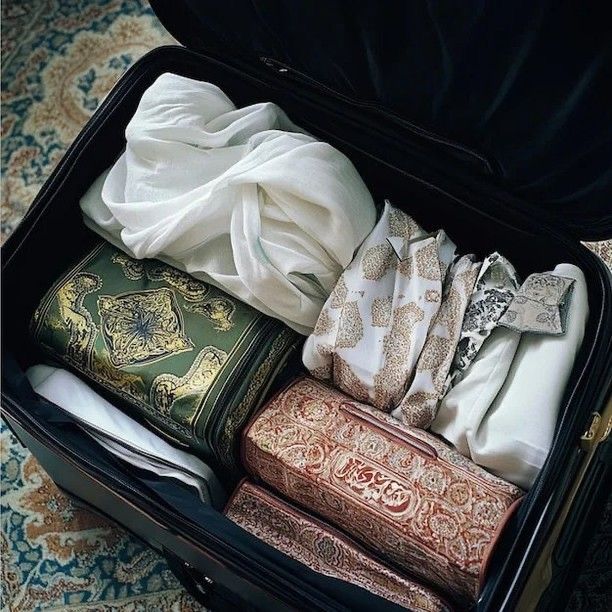
Umrah is a beautiful spiritual journey that allows Muslims to visit the holy cities of Makkah and Madinah, strengthen their relationship with Allah, seek forgiveness, and perform acts of worship. While preparing for this sacred journey, pilgrims often focus on their travel arrangements, accommodation, ihram, and religious obligations. However, one equally important aspect of preparation that should never be overlooked is health, safety, and personal hygiene.
Performing Umrah involves walking considerable distances, spending time in crowded places, adapting to a different climate, and maintaining physical strength throughout the pilgrimage. These activities can be physically demanding, particularly for elderly pilgrims, children, people with underlying health conditions, and first-time visitors.
Taking the necessary health and safety precautions can help prevent illness, reduce the risk of accidents, and make your pilgrimage more comfortable and rewarding.
Whether you are preparing for your first Umrah or returning for another spiritual experience, here are essential health, safety, and hygiene tips every pilgrim should know before travelling to Saudi Arabia.
1. Prepare Your Health Before Travelling
Good health preparation begins before you leave your home country. It is advisable to schedule a medical check-up before travelling, especially if you have an existing health condition.
During your medical consultation:
- Discuss whether you are physically fit to undertake the pilgrimage.
- Inform your doctor about any existing medical conditions.
- Ensure that chronic conditions such as diabetes, hypertension, asthma, and heart disease are properly managed.
- Ask about recommended vaccinations and current Saudi Arabian entry health requirements.
- Obtain sufficient supplies of prescribed medication for the entire journey.
- Request a medical summary or prescription if necessary.
Pilgrims with existing medical conditions should avoid travelling without proper medical advice and preparation.
Tip: Keep your essential medications in your hand luggage rather than placing all of them in your checked baggage.
2. Stay Hydrated at All Times
Saudi Arabia experiences high temperatures, particularly during certain seasons. Pilgrims may become dehydrated due to prolonged walking, physical exertion, sweating, and exposure to heat.
Dehydration can cause headaches, dizziness, weakness, fatigue, and, in severe cases, heat-related illnesses.
To stay hydrated:
- Drink water regularly throughout the day.
- Do not wait until you feel thirsty before drinking.
- Carry a refillable water bottle where permitted.
- Take advantage of available drinking water facilities.
- Drink Zamzam water when available.
- Limit excessive consumption of caffeinated drinks.
- Increase your fluid intake when walking or spending time outdoors, unless your doctor has advised you to restrict fluids.
If you experience severe dizziness, confusion, fainting, or other signs of serious heat illness, seek medical assistance immediately.
3. Protect Yourself from Extreme Heat
Heat exposure is one of the major health concerns for Umrah pilgrims, especially those who are not accustomed to hot weather.
Prolonged exposure to high temperatures can lead to heat exhaustion and heatstroke.
Consider the following precautions:
- Avoid unnecessary outdoor activities during the hottest hours.
- Wear light, breathable clothing appropriate to your state of ihram.
- Use shaded walkways whenever possible.
- Take regular breaks during long walks.
- Avoid excessive physical exertion.
- Use an umbrella when permitted and appropriate.
- Rest in air-conditioned areas when necessary.
Remember that completing your religious activities safely is more important than exhausting yourself unnecessarily.
4. Maintain Proper Personal Hygiene
Millions of pilgrims visit Makkah and Madinah, making personal hygiene extremely important. Maintaining good hygiene helps reduce the spread of infections and protects both you and other pilgrims.
Essential hygiene practices include:
- Wash your hands regularly with soap and clean water.
- Use alcohol-based hand sanitiser when soap and water are unavailable.
- Avoid touching your eyes, nose, and mouth with unwashed hands.
- Bathe regularly.
- Wear clean clothes.
- Keep your fingernails clean and trimmed.
- Dispose of tissues and waste properly.
- Avoid sharing personal items such as towels, toothbrushes, razors, and drinking bottles.
Pilgrims should also maintain good hygiene when using public toilets and other shared facilities.
Important: Hand hygiene is particularly essential before eating, after using the toilet, and after coughing or sneezing.
5. Wear a Face Mask in Crowded Areas When Appropriate
Large gatherings are an important part of the Umrah experience. However, crowded environments can increase the risk of respiratory infections.
Wearing a well-fitting face mask, particularly in crowded or poorly ventilated areas, can help reduce exposure to respiratory droplets.
Other useful precautions include:
- Avoid close contact with people who appear unwell.
- Cover your mouth and nose when coughing or sneezing.
- Dispose of used tissues properly.
- Wash or sanitise your hands frequently.
- Seek medical attention if you develop persistent fever, difficulty breathing, or other concerning symptoms.
Pilgrims who are elderly or have weakened immune systems should take additional precautions.
6. Eat Healthy and Hygienic Food
Maintaining a healthy diet is essential for keeping your energy levels up during Umrah.
With many food options available in Saudi Arabia, pilgrims should be careful about what they eat and where they purchase their meals.
Follow these food safety tips:
- Eat meals from clean and reputable food outlets.
- Ensure that food is properly cooked.
- Avoid food that has been left uncovered for long periods.
- Wash fruits thoroughly before eating.
- Drink safe, properly sealed or otherwise verified potable water.
- Avoid eating food that smells unusual or appears spoiled.
- Wash your hands before handling food.
- Avoid overeating, particularly before Tawaf and Sa’i.
Include nutritious meals containing fruits, vegetables, carbohydrates, and protein to maintain your strength.
If you have diabetes, food allergies, or dietary restrictions, plan your meals carefully.
7. Wear Comfortable and Appropriate Footwear
Umrah involves considerable walking, particularly during Tawaf, Sa’i, and movement between accommodation, the Haram, and other locations.
Wearing uncomfortable footwear can result in blisters, foot pain, swelling, and difficulty walking.
For male pilgrims, footwear must also comply with the requirements of ihram.
Helpful footwear tips include:
- Choose comfortable, properly fitting footwear.
- Avoid wearing brand-new footwear for the first time during Umrah.
- Keep your feet clean and dry.
- Carry suitable footwear storage bags.
- Avoid walking barefoot outside designated areas.
- Check your feet regularly for blisters or injuries.
Female pilgrims should also choose comfortable footwear that is appropriate for their clothing and religious requirements.
8. Avoid Overexertion and Get Enough Rest
One common mistake pilgrims make is trying to perform too many activities without allowing their bodies enough time to rest.
Remember that Umrah requires physical energy, and exhaustion can affect your ability to concentrate and worship comfortably.
To prevent unnecessary fatigue:
- Get adequate sleep every night.
- Take short breaks between activities.
- Avoid unnecessary long walks.
- Plan your religious activities around your energy levels.
- Do not rush to keep up with other pilgrims.
- Allow your body to recover after physically demanding activities.
If you feel weak, dizzy, or unusually tired, stop and rest. Seek medical assistance if symptoms persist or become severe.
9. Take Care of Your Feet
Foot health is particularly important during Umrah because pilgrims spend many hours walking and standing.
Blisters, cracked heels, swelling, and minor injuries can make the pilgrimage uncomfortable.
To protect your feet:
- Wash and dry your feet properly.
- Keep your toenails neatly trimmed before entering ihram.
- Avoid tight footwear.
- Treat minor blisters promptly.
- Keep any wounds clean and covered when appropriate.
- Seek medical attention if you notice swelling, increasing redness, pus, or signs of infection.
Pilgrims with diabetes should pay particular attention to foot care and avoid walking with untreated injuries.
10. Protect Yourself from Respiratory Infections
Respiratory infections can spread more easily when large numbers of people gather in confined or crowded environments.
To reduce your risk:
- Keep recommended vaccinations up to date.
- Practise good hand hygiene.
- Wear a mask in crowded environments when appropriate.
- Avoid sharing personal drinking cups and utensils.
- Get sufficient sleep.
- Maintain a balanced diet.
- Avoid close contact with individuals who are visibly unwell.
If you develop a fever, cough, sore throat, or difficulty breathing, seek medical advice rather than ignoring the symptoms.
11. Carry a Basic Personal Medical Kit
A small medical kit can be extremely helpful during your Umrah journey.
Consider packing the following items:
- Prescribed medications.
- Pain and fever medication recommended by your healthcare professional.
- Oral rehydration salts.
- Adhesive bandages and blister dressings.
- Antiseptic wipes.
- Hand sanitiser.
- Digital thermometer.
- Any personal medical supplies you regularly use.
Ensure that your medicines are legally permitted in Saudi Arabia and are kept in their original packaging where possible. Check current regulations for controlled or restricted medications before travelling.
Do not take medication prescribed for another person.
12. Follow Safety Guidelines at the Grand Mosque
The Grand Mosque (Masjid al-Haram) receives enormous numbers of worshippers, particularly during Ramadan, school holidays, and peak Umrah seasons.
Crowded conditions require patience, awareness, and cooperation.
For your safety:
- Follow instructions from security personnel.
- Use designated entrances and exits.
- Avoid pushing or rushing through crowds.
- Keep to designated pedestrian routes.
- Do not stop suddenly in busy walkways.
- Avoid carrying unnecessary heavy luggage.
- Agree on a meeting point with your group.
- Keep children close to responsible adults.
- Follow official instructions concerning Tawaf and Sa’i arrangements.
Never attempt to force your way through a crowd to reach the Black Stone. Follow the established crowd-management arrangements and remember that avoiding harm to yourself and others is essential.
13. Keep Your Personal Belongings Safe
Losing your passport, money, phone, or other important belongings can cause unnecessary stress during your pilgrimage.
Protect your valuables by following these simple steps:
- Keep your passport and travel documents secure.
- Carry only the money you need for the day.
- Use a secure money belt or small crossbody bag.
- Keep your phone protected with a password.
- Avoid displaying expensive jewellery or valuables.
- Never leave your belongings unattended.
- Keep emergency contact details with you.
It is also advisable to keep digital copies of your passport, visa, travel insurance, and other important documents in a secure location.
14. Take Special Care of Elderly Pilgrims and Children
Elderly pilgrims and children may require additional attention during Umrah.
Older adults may experience fatigue, dehydration, joint pain, and difficulties navigating crowded areas. Children may also become tired, thirsty, or separated from their guardians.
For elderly pilgrims:
- Arrange appropriate mobility assistance when needed.
- Avoid unnecessary long walks.
- Ensure prescribed medication is readily accessible.
- Allow sufficient time for rest.
- Avoid exposing them to excessive heat.
- Keep their emergency contact information available.
For children:
- Keep them under close adult supervision.
- Ensure they drink enough water.
- Dress them comfortably according to the weather.
- Teach them what to do if they become separated from their guardians.
- Keep identification and guardian contact details with them.
- Avoid taking them into excessively crowded areas where possible.
A little extra preparation can make the pilgrimage safer and more comfortable for everyone.
15. Maintain Cleanliness in Your Accommodation
Your hotel or accommodation should be a clean and comfortable place where you can rest and recover.
To maintain a hygienic environment:
- Keep your room tidy.
- Dispose of rubbish appropriately.
- Keep food covered.
- Avoid leaving dirty laundry scattered around.
- Clean frequently touched personal items.
- Keep bathrooms clean and dry.
- Avoid sharing towels and personal toiletries.
- Wash your hands after using shared facilities.
If you notice any serious hygiene problems in your accommodation, inform hotel management promptly.
16. Be Careful When Using Public Transport
Pilgrims frequently use buses, taxis, and other transportation services during their stay in Saudi Arabia.
To remain safe:
- Use authorised transportation services.
- Confirm your destination before entering a vehicle.
- Follow traffic and pedestrian safety rules.
- Wear seat belts where available.
- Avoid crossing roads carelessly.
- Stay with your group when possible.
- Keep your phone charged for communication and navigation.
Always follow the instructions of transport officials and avoid boarding overcrowded or unauthorised vehicles.
17. Know When to Seek Medical Attention
Do not ignore unusual symptoms during your pilgrimage. Early medical attention can prevent minor health problems from becoming serious.
Seek medical help if you experience:
- Persistent fever.
- Difficulty breathing.
- Chest pain.
- Severe headaches.
- Persistent vomiting or diarrhoea.
- Severe dizziness or fainting.
- Confusion or unusual weakness.
- Signs of heatstroke.
- Serious injuries or worsening infections.
For an emergency in Saudi Arabia, call the appropriate emergency services. The unified emergency number is 911 in regions where the service operates; other emergency numbers, including ambulance services, may also apply. Confirm the current arrangements for your location.
Always inform your group leader or travel organiser if you need medical assistance.
18. Respect the Environment and Keep the Holy Sites Clean
Maintaining cleanliness in the holy cities is a shared responsibility.
Every pilgrim should contribute to keeping the Haram, streets, hotels, and public facilities clean.
Simple ways to help include:
- Dispose of rubbish in designated bins.
- Avoid littering.
- Do not leave food containers or plastic bottles behind.
- Use public toilets responsibly.
- Avoid wasting water.
- Respect cleaning staff and other service workers.
- Follow instructions regarding restricted areas.
Remember that cleanliness is an important part of Islamic teachings, and keeping the environment clean benefits everyone.
19. Prepare for Umrah with the Right Mindset
Health and safety are not only about physical wellbeing. Mental and emotional preparation also play an important role in making your pilgrimage peaceful and fulfilling.
Umrah can be physically and emotionally demanding, particularly when dealing with crowds, travel delays, language differences, and unfamiliar surroundings.
To maintain a positive mindset:
- Be patient with fellow pilgrims.
- Avoid unnecessary arguments.
- Manage your expectations.
- Do not compare your pilgrimage experience with others.
- Follow your group leader’s instructions.
- Make time for rest and reflection.
- Focus on your acts of worship.
- Remember that everyone’s physical ability and circumstances are different.
Approach your pilgrimage with patience, kindness, humility, and consideration for others.
20. Essential Umrah Health and Safety Checklist
Before travelling, make sure you have considered the following:
- Complete a medical check-up if necessary.
- Confirm current vaccination and travel health requirements.
- Pack sufficient prescribed medications.
- Carry your medical information and emergency contacts.
- Pack comfortable and appropriate footwear.
- Carry hand sanitiser and personal hygiene supplies.
- Pack a reusable water bottle where permitted.
- Prepare a small first-aid kit.
- Keep your passport and travel documents secure.
- Save your accommodation details and group leader’s contact information.
- Learn the emergency procedures for your accommodation and pilgrimage group.
- Get enough rest before departure.
Conclusion: Prioritise Your Health for a Peaceful and Rewarding Umrah
Umrah is a special opportunity to seek Allah’s mercy, strengthen your faith, and renew your spiritual commitment. However, enjoying this sacred journey requires proper preparation, discipline, and attention to personal wellbeing.
By maintaining good hygiene, drinking sufficient water, eating healthy meals, protecting yourself from extreme heat, getting enough rest, and following safety guidelines, you can reduce preventable health risks and make your pilgrimage more comfortable.
Remember that taking care of your health is also a way of protecting the blessings of your journey. Be considerate of fellow pilgrims, follow official instructions, and never hesitate to seek medical attention when necessary.
May Allah grant every pilgrim good health, safety, strength, and ease throughout their journey. May He accept your Umrah, forgive your shortcomings, answer your prayers, and grant you a safe return home. Ameen.
Frequently Asked Questions (FAQs)
1. What are the most important health precautions for Umrah pilgrims?
The most important precautions include staying hydrated, maintaining personal hygiene, keeping recommended vaccinations up to date, avoiding excessive heat exposure, eating hygienic food, getting adequate rest, and carrying prescribed medications.
2. How can I prevent dehydration during Umrah?
Drink water regularly, avoid unnecessary exposure to extreme heat, take breaks when walking, and carry drinking water where permitted. Do not wait until you feel thirsty before drinking.
3. Should I wear a face mask during Umrah?
Wearing a well-fitting face mask in crowded or poorly ventilated areas can help reduce the risk of respiratory infections. It is particularly advisable for vulnerable pilgrims and those who are feeling unwell, subject to current health guidance.
4. What medications should I carry for Umrah?
Carry your prescribed medications, along with basic first-aid supplies and any over-the-counter medicines recommended by your healthcare professional. Ensure all medications comply with Saudi Arabian regulations.
5. How can elderly people perform Umrah safely?
Elderly pilgrims should consult their doctors before travelling, take regular breaks, remain hydrated, avoid excessive heat, use mobility assistance when necessary, and keep their medications readily accessible.
6. What should I do if I become sick during Umrah?
Seek medical assistance promptly. Inform your group leader or travel organiser and avoid continuing strenuous activities if you are unwell.
7. How can I maintain good hygiene during Umrah?
Wash your hands regularly, use hand sanitiser, bathe regularly, wear clean clothes, avoid sharing personal items, eat hygienic food, and dispose of waste properly.
8. Is it safe to perform Umrah while managing a chronic illness?
Many people with chronic conditions can perform Umrah with proper medical assessment and preparation. However, you should consult your healthcare professional before travelling and follow an appropriate medical management plan.
A final reminder: Always check the latest official Saudi Ministry of Health and Ministry of Hajj and Umrah guidance before departure, as vaccination, health, and pilgrimage requirements may change.
