

WHAT ISLAM SAYS ABOUT MUSIC, ENTERTAINMENT AND SOCIAL MEDIA: A COMPLETE GUIDE TO ISLAMIC VALUES, HALAL ENTERTAINMENT AND RESPONSIBLE DIGITAL LIVING

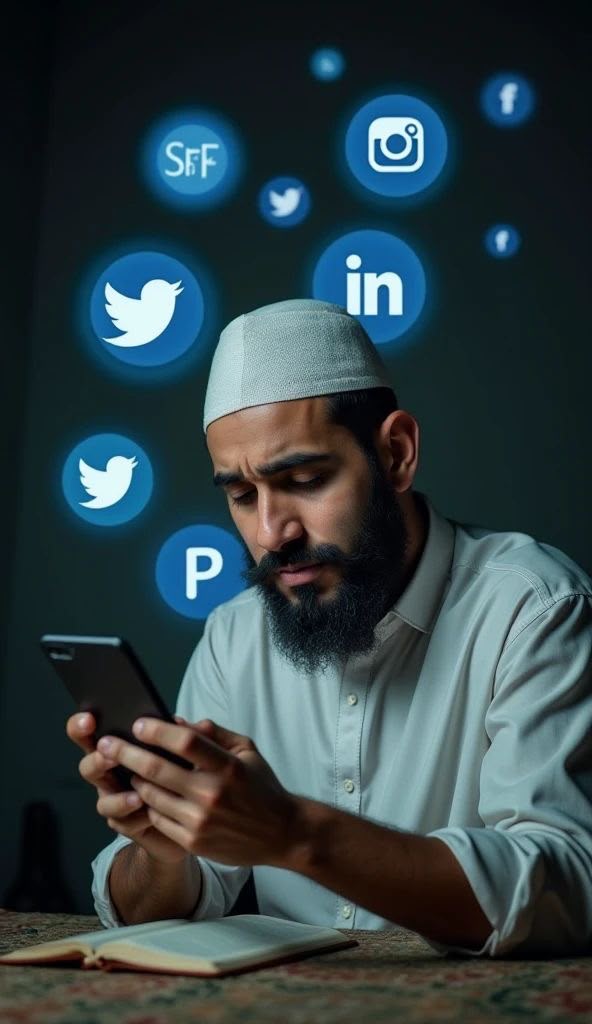
In today’s modern world, music, entertainment and social media have become important parts of everyday life. People listen to songs, watch movies, attend social events, play games and spend considerable time on digital platforms such as Facebook, Instagram, TikTok, YouTube and WhatsApp.
While these activities provide opportunities for relaxation, communication, education and creativity, Muslims must understand how they relate to Islamic teachings.
Islam is a complete way of life that provides guidance on how believers should spend their time, protect their faith, interact with others and use the blessings Allah has given them. Although Islam recognises the human need for relaxation and enjoyment, it also establishes boundaries to ensure that entertainment does not lead to sinful behaviour, neglect of religious obligations or moral corruption.
The important question is: What does Islam say about music, entertainment and social media?
Islamic teachings encourage Muslims to engage in beneficial activities, avoid prohibited forms of entertainment and use their time responsibly. However, scholars have different opinions on certain matters, particularly musical instruments and some forms of entertainment.
Allah says in the Qur’an:
“But seek, through that which Allah has given you, the home of the Hereafter; and yet do not forget your share of the world…” (Qur’an 28:77).
This verse reminds Muslims to maintain a healthy balance between worldly activities and preparation for the Hereafter.
This article explores Islamic perspectives on music, entertainment and social media, including their benefits, potential dangers and the guidelines Muslims should follow.
1. Understanding Entertainment in Islam
Entertainment refers to activities people engage in for relaxation, enjoyment, recreation or amusement.
Examples include:
- Watching educational and entertaining videos.
- Playing sports and physical games.
- Reading books and listening to beneficial discussions.
- Spending quality time with family and friends.
- Travelling and exploring new places.
- Playing permissible games.
- Participating in cultural and social activities.
Islam does not prohibit every form of enjoyment. The religion recognises that human beings need rest, relaxation and opportunities to enjoy the blessings of life.
The Prophet Muhammad (peace be upon him) encouraged moderation and recognised that people have different needs.
A well-known Hadith states:
“Your body has a right over you, your eyes have a right over you, and your wife has a right over you.” (Sahih al-Bukhari).
This teaching demonstrates that Muslims should maintain balance in their lives.
Entertainment becomes problematic when it involves prohibited activities, encourages immoral behaviour, wastes valuable time or causes people to neglect their responsibilities towards Allah and other human beings.
2. What Islam Says About Music
Music is one of the most discussed subjects in Islamic teachings.
Muslim scholars have different interpretations regarding musical instruments, singing and certain forms of entertainment.
Some scholars consider most musical instruments prohibited based on their interpretation of relevant Hadith narrations, while others permit certain forms of music under specific conditions.
Therefore, Muslims should understand that there are differences of scholarly opinion on this subject.
One of the commonly discussed Hadith narrations is found in Sahih al-Bukhari, where the Prophet Muhammad (peace be upon him) mentioned people who would regard certain prohibited things, including musical instruments, as permissible.
Scholars who prohibit musical instruments rely on this narration and other Islamic evidence.
Other scholars distinguish between different types of musical expression, considering the lyrics, instruments, circumstances and effects on the listener.
Regardless of these differences, Muslims should avoid entertainment that promotes:
- Sexual immorality.
- Alcohol and drug consumption.
- Violence and criminal behaviour.
- Disrespect towards Allah and religion.
- Blasphemy and indecent language.
- Hatred, discrimination and corruption.
- Neglect of obligatory religious duties.
Muslims who wish to follow a cautious approach may avoid disputed forms of music and choose beneficial alternatives.
The most important thing is to seek knowledge from trustworthy scholars rather than relying entirely on personal opinions or popular culture.
3. The Islamic Position on Singing and Nasheeds
Nasheeds are religious or inspirational songs that often contain Islamic reminders, praise of Allah, expressions of love for the Prophet Muhammad (peace be upon him) and encouragement towards good character.
They are popular among Muslims because they can communicate beneficial messages and strengthen religious awareness.
Islamic scholars generally recognise the permissibility of appropriate singing under certain conditions, although they differ regarding instruments and other accompanying elements.
A well-known narration in Sahih al-Bukhari and Sahih Muslim describes two young girls singing on Eid in the presence of Aisha (may Allah be pleased with her), while the Prophet Muhammad (peace be upon him) did not object.
This narration is often discussed in scholarly explanations of permissible singing and entertainment.
Muslims should ensure that nasheeds and songs:
- Contain meaningful and appropriate messages.
- Do not promote immoral behaviour.
- Do not contain disrespectful statements about Islam.
- Do not distract from obligatory acts of worship.
- Do not encourage excessive attachment to entertainment.
Nasheeds can be a beneficial form of entertainment when they remain within acceptable Islamic boundaries.
4. What Islam Says About Watching Movies and Television
Watching movies, television programmes and online videos is common in modern society.
Islam does not automatically prohibit every visual form of entertainment. The content and purpose of what is being watched are important considerations.
Educational documentaries, beneficial programmes, historical presentations and appropriate family entertainment may provide knowledge and relaxation.
However, Muslims should avoid content that promotes prohibited activities or damages their moral values.
Examples of inappropriate content include:
- Explicit sexual scenes and pornography.
- Content that glorifies adultery and immoral relationships.
- Programmes that encourage alcohol and drug abuse.
- Content that mocks Islam or religious beliefs.
- Material that promotes hatred and injustice.
- Entertainment that encourages violence and criminal activities.
Muslims should also be careful about the amount of time spent watching television or online videos.
Spending several hours watching entertainment while neglecting Salah, family responsibilities, education or work contradicts the Islamic principle of moderation.
5. What Islam Says About Social Media
Social media has transformed communication and information sharing.
Platforms such as Facebook, Instagram, TikTok, Snapchat, X and YouTube allow people to communicate, learn, promote businesses, share knowledge and connect with communities.
These platforms are not inherently prohibited. Their permissibility depends largely on how they are used and the content shared.
Muslims can use social media for beneficial purposes, including:
- Sharing authentic Islamic knowledge.
- Learning new skills.
- Promoting businesses and lawful products.
- Keeping in touch with family and friends.
- Supporting charitable causes.
- Sharing educational information.
- Raising awareness about important social issues.
- Encouraging positive behaviour.
However, social media can also expose users to misinformation, indecent content, cyberbullying, gossip, unhealthy comparisons and other harmful activities.
Muslims should therefore use digital platforms responsibly and ensure their online activities reflect Islamic values.
6. Avoiding Backbiting, Gossip and Slander on Social Media
One of the major challenges of social media is the spread of gossip, insults, rumours and false accusations.
People sometimes use social media to expose private information, ridicule others, spread unverified stories or damage people’s reputations.
Islam strongly condemns such behaviour.
Allah says:
“And do not backbite each other. Would one of you like to eat the flesh of his brother when dead? You would detest it.” (Qur’an 49:12).
This verse teaches Muslims to protect the dignity and reputation of others.
Before sharing a post, comment or message, Muslims should ask themselves whether it is truthful, beneficial and respectful.
They should avoid:
- Spreading unverified allegations.
- Insulting people in comment sections.
- Sharing embarrassing pictures without permission.
- Participating in online bullying.
- Revealing people’s private conversations.
- Encouraging public humiliation.
- Spreading rumours about individuals.
A Muslim should remember that good character is required both offline and online.
7. Verifying Information Before Sharing It
Fake news and misinformation are serious problems on social media.
A message may appear convincing and attract thousands of shares, but that does not automatically make it true.
Islam teaches Muslims to verify information before accepting or spreading it.
Allah says:
“O you who believe, if there comes to you a disobedient person with information, investigate, lest you harm a people out of ignorance and become, over what you have done, regretful.” (Qur’an 49:6).
This verse establishes the importance of checking information before acting upon it.
Muslims should therefore:
- Verify news from reliable sources.
- Avoid sharing unconfirmed religious teachings.
- Check the authenticity of Hadith quotations.
- Avoid spreading misleading health information.
- Refuse to participate in online rumours.
- Correct misinformation when necessary and appropriate.
Sharing false information can harm individuals, families and entire communities.
8. Avoiding Indecent Pictures and Videos
Islam teaches Muslims to protect their modesty and lower their gaze.
Social media platforms contain images and videos that may expose users to inappropriate material.
Muslims should avoid deliberately viewing, sharing or promoting content that violates Islamic standards of modesty.
Allah says:
“Tell the believing men to lower their gaze and guard their chastity. That is purer for them…” (Qur’an 24:30).
The following verse also instructs believing women to lower their gaze and guard their chastity (Qur’an 24:31).
These teachings apply to modern digital environments as well as physical interactions.
Muslims should be careful about:
- Following accounts that regularly share indecent content.
- Watching pornography.
- Sharing sexually suggestive pictures.
- Participating in inappropriate online conversations.
- Posting revealing content that contradicts their understanding of Islamic modesty.
- Deliberately searching for prohibited material.
Social media users should take advantage of privacy settings, content restrictions and account controls to protect themselves from harmful material.
9. The Danger of Wasting Time on Social Media
Time is one of the greatest blessings Allah has given humanity.
Unfortunately, many people spend excessive amounts of time scrolling through social media, watching short videos, following trends and engaging in unnecessary online discussions.
Islam encourages Muslims to use their time wisely.
The Prophet Muhammad (peace be upon him) said:
“There are two blessings which many people waste: health and free time.” (Sahih al-Bukhari).
This Hadith reminds Muslims that time should not be taken for granted.
Spending excessive time online may cause people to:
- Delay or miss their daily prayers.
- Neglect family responsibilities.
- Lose concentration at work or school.
- Reduce their productivity.
- Develop unhealthy sleeping habits.
- Neglect Qur’an recitation and Islamic learning.
- Become excessively dependent on digital entertainment.
Muslims should establish reasonable limits for social media use and prioritise activities that benefit their worldly life and Hereafter.
10. Avoiding Showing Off and Seeking Validation Online
Social media encourages people to share pictures, achievements, purchases, lifestyles and personal experiences.
Sharing positive moments is not automatically prohibited. However, Muslims should be careful about developing arrogance, pride and excessive dependence on public approval.
Islam warns against showing off (Riya), which involves performing good deeds to gain the admiration of people rather than seeking Allah’s pleasure.
Muslims should examine their intentions before posting religious activities, charitable donations or personal achievements.
They should avoid:
- Competing with others over wealth and appearance.
- Showing off expensive possessions.
- Using religious activities merely to gain attention.
- Seeking constant approval through likes and comments.
- Looking down on people who have less.
- Becoming jealous of other people’s achievements.
Allah values sincerity and the intentions behind our actions.
11. What Islam Says About Online Relationships and Communication
Social media has made it easier for people to communicate with others, including individuals they have never met physically.
While Islam permits appropriate communication, it establishes boundaries to protect modesty, dignity and chastity.
Muslims should avoid inappropriate private conversations, flirtation, sexual messages and relationships that may lead to prohibited behaviour.
Communication between men and women should be respectful, purposeful and conducted within Islamic guidelines.
Muslims should also be careful when sharing personal information with strangers online.
Important precautions include:
- Avoiding inappropriate private conversations.
- Not sharing intimate pictures.
- Protecting personal and family information.
- Avoiding suspicious online relationships.
- Maintaining respectful communication.
- Avoiding deception and impersonation.
Online communication should reflect the same Islamic values expected in face-to-face interactions.
12. Islamic Guidelines for Playing Video Games
Video games are another popular form of entertainment, especially among children, teenagers and young adults.
Islam does not prohibit every form of gaming. Permissible games may provide relaxation, mental stimulation, creativity and opportunities for social interaction.
However, gaming becomes problematic when it involves prohibited content or leads to neglect of important responsibilities.
Muslims should avoid games that:
- Encourage gambling and betting.
- Promote explicit sexual content.
- Glorify prohibited activities.
- Encourage hatred and serious wrongdoing.
- Contain elements that conflict with Islamic beliefs.
- Lead to addiction and excessive time-wasting.
Muslims should also ensure that gaming does not cause them to neglect Salah, education, work, family or other obligations.
Moderation is essential.
13. Avoiding Gambling and Betting in Online Entertainment
Online entertainment sometimes includes betting, gambling, lotteries and games of chance involving money.
Islam clearly prohibits gambling because it can cause financial loss, addiction, conflict and social harm.
Allah says:
“O you who believe, indeed, intoxicants, gambling, stone altars, and divining arrows are but defilement from the work of Satan, so avoid it that you may be successful.” (Qur’an 5:90).
Muslims should therefore avoid online betting platforms, gambling applications and games involving prohibited wagering.
They should also be careful about entertainment platforms that disguise gambling as ordinary gaming.
14. Using Social Media for Islamic Education and Da’wah
Social media provides an opportunity for Muslims to spread beneficial knowledge and encourage good behaviour.
Islamic reminders, Qur’an recitations, educational videos and authentic Hadith explanations can reach people across different countries and communities.
Muslims can use these platforms to:
- Share Qur’anic teachings with correct references.
- Explain Islamic principles.
- Encourage Salah and good character.
- Promote charity and humanitarian activities.
- Share authentic lectures from qualified scholars.
- Correct misconceptions about Islam.
- Encourage peaceful relationships and community development.
However, those sharing religious information must ensure that their content is accurate.
Muslims should avoid presenting themselves as religious authorities without sufficient knowledge.
The Prophet Muhammad (peace be upon him) said:
“Convey from me, even if it is one verse.” (Sahih al-Bukhari).
This Hadith encourages the sharing of authentic knowledge, but it should not be used as permission to spread unverified religious claims.
15. Protecting Privacy and Personal Information Online
Islam places importance on privacy, trust and respect for others.
Social media users should not expose private information or share confidential matters without permission.
Allah says:
“And do not spy or backbite each other…” (Qur’an 49:12).
Muslims should respect people’s privacy both online and offline.
They should avoid:
- Hacking into other people’s accounts.
- Reading private messages without permission.
- Sharing confidential information.
- Publishing private pictures without consent.
- Impersonating other individuals.
- Exposing family disagreements publicly.
- Recording and distributing private conversations without a legitimate reason.
Protecting privacy is an important aspect of good Islamic character.
16. Balancing Entertainment with Religious Obligations
One of the most important Islamic principles concerning entertainment is maintaining balance.
Muslims should never allow music, movies, games or social media to become more important than their obligations to Allah.
Daily prayers, fasting during Ramadan, fulfilling family responsibilities, seeking beneficial knowledge and earning a lawful livelihood should remain priorities.
For example, a Muslim should not delay Salah repeatedly because of a football match, social media activity or online gaming.
Entertainment should fit into a responsible lifestyle rather than control it.
A practical daily routine may include:
- Performing the five daily prayers on time.
- Reading or listening to the Qur’an.
- Completing work or educational responsibilities.
- Spending quality time with family.
- Engaging in permissible recreation.
- Limiting unnecessary screen time.
- Sleeping adequately.
This approach helps Muslims enjoy life without neglecting their religious duties.
17. The Benefits of Using Entertainment and Social Media Responsibly
When used appropriately, entertainment and social media can provide several benefits.
Education: Online platforms provide access to Islamic lectures, academic materials and professional training.
Communication: Social media helps Muslims maintain relationships with family, friends and communities.
Business development: Entrepreneurs can promote Halal businesses and reach potential customers.
Islamic awareness: Beneficial content can encourage people to learn more about Islam.
Creativity: Digital platforms allow Muslims to share useful ideas, educational content and artistic skills within permissible boundaries.
Relaxation: Appropriate entertainment can provide a break from daily responsibilities.
Charity: Social media can help promote fundraising, humanitarian support and community development.
The key is to use technology as a tool for beneficial activities rather than allowing it to become a source of harm.
18. Practical Islamic Tips for Responsible Social Media Use
Muslims can adopt simple habits to ensure their online activities remain consistent with Islamic values.
- Begin the day with Salah and beneficial activities rather than immediately checking social media.
- Follow accounts that promote knowledge, positivity and good character.
- Unfollow accounts that regularly expose you to prohibited content.
- Avoid posting information that may harm other people.
- Verify religious quotations and news before sharing.
- Set daily limits for screen time.
- Avoid online arguments and unnecessary insults.
- Protect personal information and family privacy.
- Never allow entertainment to interfere with Salah.
- Use digital platforms to learn, work, communicate and support beneficial causes.
- Review your online activities regularly.
- Remember that Allah knows what people do publicly and privately.
These simple practices can help Muslims develop healthier digital habits.
19. Common Mistakes Muslims Should Avoid in Music, Entertainment and Social Media
Some common mistakes include:
- Spending excessive time on social media.
- Watching pornography and other indecent content.
- Sharing unverified information.
- Participating in online gossip and backbiting.
- Engaging in online gambling and betting.
- Neglecting Salah because of entertainment.
- Developing inappropriate online relationships.
- Using social media to show off and seek admiration.
- Following harmful trends without considering Islamic teachings.
- Sharing religious information without checking its authenticity.
- Exposing private information about other people.
- Allowing entertainment to negatively affect family, work and personal responsibilities.
Muslims should regularly evaluate their entertainment habits and make changes whenever necessary.
Conclusion
Islam provides guidance on music, entertainment and social media to help Muslims enjoy life while protecting their faith, morals and responsibilities.
Entertainment is not automatically prohibited in Islam. Muslims are permitted to engage in beneficial and appropriate recreational activities, provided they do not involve prohibited behaviour or distract from religious obligations.
Regarding music, scholars have different opinions, particularly concerning musical instruments. Muslims should seek reliable scholarly guidance and avoid content that promotes immorality, disobedience or harmful behaviour.
Social media can also be used positively for education, communication, business, Islamic awareness and charity. However, users must avoid gossip, slander, indecency, misinformation, arrogance and excessive time-wasting.
The ultimate goal is to ensure that modern technology and entertainment serve as useful tools rather than distractions from our purpose in life.
Muslims should remember that every action, whether performed publicly or privately, is known to Allah. Therefore, they should strive to maintain Islamic values both in the physical world and in the digital space.
May Allah guide us to use our time wisely, protect our hearts and eyes from prohibited things, grant us beneficial knowledge and help us use modern technology in ways that please Him. Ameen.
Frequently Asked Questions (FAQs)
1. Is listening to music Haram in Islam?
Muslim scholars differ regarding music, especially musical instruments. Some prohibit most instruments based on their interpretation of Islamic evidence, while others permit certain forms under specific conditions. Muslims should seek guidance from trustworthy scholars.
2. Is entertainment allowed in Islam?
Yes. Islam recognises the need for relaxation and enjoyment. However, entertainment must not involve prohibited activities or cause Muslims to neglect their religious and personal responsibilities.
3. Is using TikTok, Facebook and Instagram Haram?
Using these platforms is not automatically Haram. Their permissibility depends on the content viewed, shared and the manner in which they are used.
4. Can Muslims watch movies?
Muslims may watch appropriate educational and entertaining programmes, provided the content does not involve prohibited material or cause neglect of religious obligations.
5. Is singing allowed in Islam?
There are differences of scholarly opinion regarding singing and its accompanying instruments. Appropriate singing that contains permissible messages is generally recognised by scholars, although the details vary.
6. Can Muslims play video games?
Yes, permissible games can be played for relaxation and enjoyment. However, Muslims should avoid games involving gambling, prohibited content or excessive time-wasting.
7. Is sharing Islamic reminders on social media rewarded?
Sharing authentic Islamic knowledge with sincere intentions can be a virtuous act. However, Muslims must verify the information before sharing it.
8. Is backbiting on social media Haram?
Yes. Backbiting, slander, spreading rumours and insulting others are prohibited behaviours, whether they happen physically or online.
9. Can Muslims follow celebrities on social media?
Following public figures is not automatically prohibited. However, Muslims should avoid accounts that regularly promote indecency, immoral behaviour or harmful values.
10. How can Muslims balance social media and Islamic responsibilities?
Muslims should prioritise Salah, Qur’an recitation, work, education and family responsibilities while setting reasonable limits on entertainment and social media use.
11. Is online betting allowed in Islam?
No. Gambling and betting are prohibited in Islam, whether conducted physically or through online platforms.
12. What is the best way for Muslims to use social media?
The best approach is to use social media for beneficial knowledge, communication, lawful business, education and positive activities while avoiding prohibited content, gossip, misinformation and excessive usage.
