

ISLAMIC GUIDELINES FOR DRESSING MODESTLY IN EVERYDAY LIFE: A COMPLETE GUIDE TO ISLAMIC CLOTHING, HIJAB, DECENCY AND PROPER DRESSING

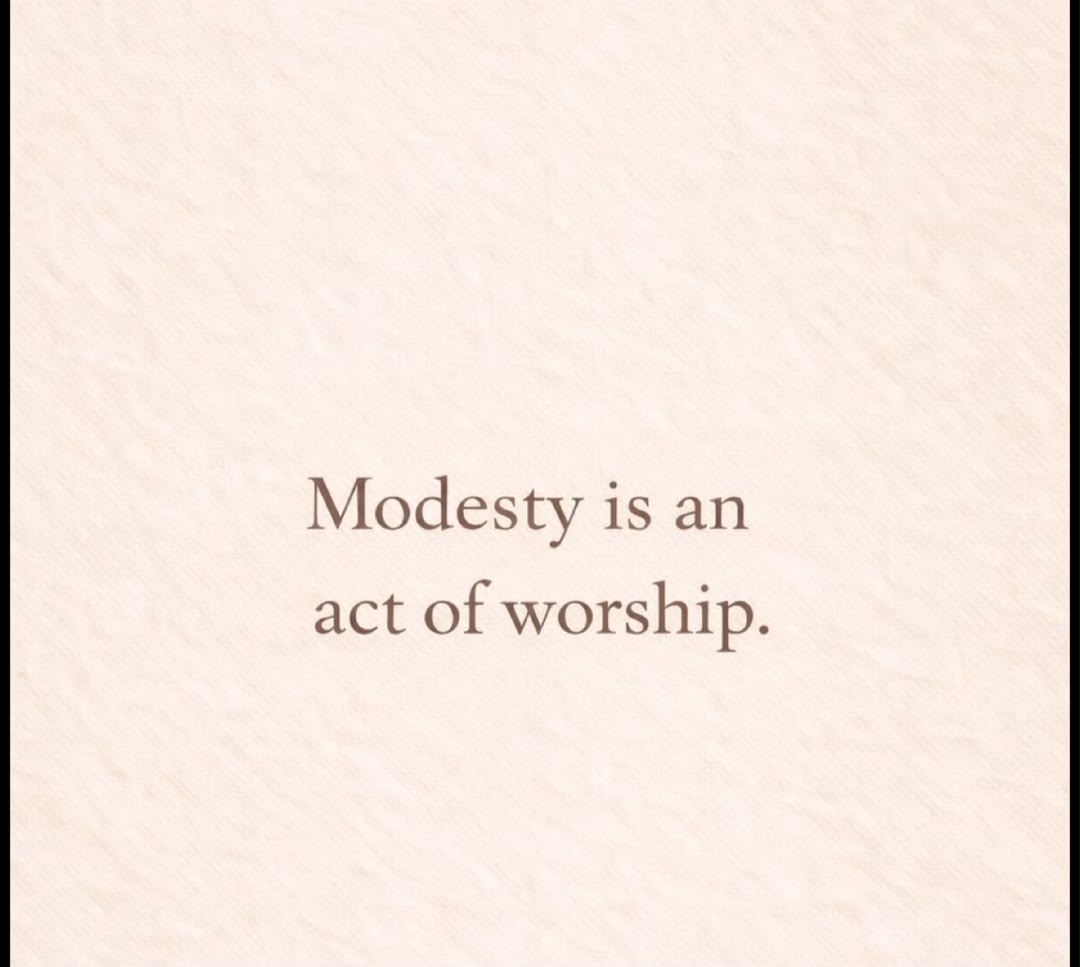
Islam is a complete way of life that provides guidance for every aspect of human behaviour, including how Muslims should dress and present themselves in society. Clothing is not simply a means of covering the body or protecting oneself from weather conditions; it is also an expression of faith, modesty, dignity and obedience to Allah.
Islam places great importance on modesty (Haya), which is an essential quality of a believer. Muslims, both men and women, are encouraged to dress in a manner that reflects their religious values, protects their dignity and promotes decency in society.
The Islamic approach to dressing does not require Muslims to wear expensive clothes, follow particular fashion trends or abandon cultural identities. Rather, it teaches that clothing should meet the requirements of Islamic modesty, cover the body appropriately and avoid arrogance, indecency and unnecessary display.
Allah says in the Qur’an:
“O children of Adam, We have bestowed upon you clothing to conceal your private parts and as adornment. But the clothing of righteousness—that is best.” (Qur’an 7:26).
This verse reminds Muslims that although physical clothing is important, righteousness, modesty and good character are even more valuable.
Understanding Islamic guidelines for dressing modestly helps Muslims make appropriate clothing choices in their homes, workplaces, schools, public gatherings and everyday activities.
1. Understanding Modesty in Islam
Modesty is one of the fundamental teachings of Islam. It involves maintaining dignity, humility, decency and respect in one’s appearance, speech and behaviour.
In Islam, modesty is not limited to clothing. It also includes how Muslims interact with others, conduct themselves in public and protect themselves from inappropriate behaviour.
The Prophet Muhammad (peace be upon him) said:
“Modesty is part of faith.” (Sahih al-Bukhari and Sahih Muslim).
This Hadith demonstrates the importance of modesty in a Muslim’s life.
Muslims should therefore understand that dressing modestly is not simply about satisfying society’s expectations. It is an act of religious commitment and an opportunity to demonstrate obedience to Allah.
2. Wearing Clothes That Properly Cover the Body
One of the most important Islamic dressing guidelines is ensuring that clothing provides appropriate coverage.
Islamic teachings establish requirements for covering the Awrah, which refers to the parts of the body that must be covered according to Islamic law.
The specific details of Awrah differ between men and women, and some rulings vary among Islamic schools of thought.
For Muslim men, the majority of scholars identify the area between the navel and the knees as the Awrah, although details differ regarding the exact boundaries.
For Muslim women, the majority of scholars require covering the entire body in the presence of non-Mahram men, with differences of opinion regarding the face and hands.
Muslims should seek reliable Islamic guidance regarding the specific requirements applicable to their circumstances.
The main principle is that clothing should provide proper coverage and reflect dignity and modesty.
3. Islamic Guidelines for Women’s Dressing
Islam encourages Muslim women to dress modestly and maintain their dignity in public.
The Qur’an provides guidance on women’s clothing and modesty.
Allah says:
“And tell the believing women to lower their gaze and guard their chastity, and not to reveal their adornment except what ordinarily appears thereof, and to draw their headcovers over their chests…” (Qur’an 24:31).
This verse establishes important principles regarding modesty, covering and appropriate appearance.
Some commonly worn modest clothing options include:
- Hijab: A head covering worn by Muslim women.
- Abaya: A loose-fitting outer garment.
- Jilbab: An outer garment that provides modest coverage.
- Khimar: A covering that extends over the head and upper body.
- Loose-fitting dresses: Clothing that provides appropriate coverage without being excessively tight.
- Long skirts and modest tops: Suitable combinations when they meet Islamic requirements.
Muslim women should ensure that their clothing is not transparent, excessively tight or designed to display their bodies.
Modest dressing should be practised with sincerity and an understanding of Islamic teachings rather than merely following fashion trends.
4. Islamic Guidelines for Men’s Dressing
Modesty is equally important for Muslim men. Islam does not place the responsibility of modest behaviour only on women.
Allah says:
“Tell the believing men to lower their gaze and guard their chastity. That is purer for them. Indeed, Allah is Acquainted with what they do.” (Qur’an 24:30).
This verse reminds Muslim men to practise modesty through their appearance, behaviour and interactions.
Men should wear clothing that:
- Covers their Awrah appropriately.
- Is not transparent or excessively tight.
- Does not expose their private parts.
- Reflects decency and dignity.
- Avoids arrogance and inappropriate display.
Examples of modest clothing for Muslim men include loose-fitting trousers, long-sleeved shirts, traditional garments, modest tunics and other clothing that meets Islamic requirements.
Muslim men should also avoid clothing that is specifically associated with prohibited gender imitation, according to the relevant Islamic rulings.
5. Wearing the Hijab as an Expression of Faith
The Hijab is an important aspect of Islamic modesty for Muslim women.
It represents obedience to Allah, religious identity and commitment to maintaining modesty.
Allah says:
“O Prophet, tell your wives and your daughters and the women of the believers to bring down over themselves part of their outer garments. That is more suitable that they will be recognised and not be abused.” (Qur’an 33:59).
The Hijab is more than a piece of fabric covering the hair. It is associated with modest behaviour, dignity, respect and appropriate interaction with others.
Muslim women should understand the religious significance of the Hijab and wear it with sincerity.
It is also important to remember that modesty is a responsibility for both men and women. Men must lower their gaze and observe proper conduct, while women observe their own Islamic requirements.
6. Avoiding Tight and Transparent Clothing
Islamic clothing should provide appropriate coverage and should not reveal the shape of the body in a manner that contradicts the requirements of modesty.
Clothes that are excessively tight or transparent may defeat the purpose of covering the Awrah.
The Prophet Muhammad (peace be upon him) warned against certain forms of dress that expose the body despite appearing to provide coverage.
In a narration recorded in Sahih Muslim, he mentioned women who are clothed yet appear naked.
This teaching highlights the importance of choosing clothing that genuinely fulfils the purpose of modesty.
Muslims should therefore avoid:
- Extremely tight dresses.
- Transparent shirts and trousers.
- Clothing that exposes private areas.
- Outfits designed to attract inappropriate attention.
- Clothing that does not provide adequate coverage.
Choosing loose and comfortable clothing is a practical way to maintain modesty in everyday life.
7. Avoiding Arrogance and Pride in Dressing
Islam allows Muslims to dress beautifully, maintain personal hygiene and wear attractive clothing. However, clothing should never become a means of displaying arrogance or looking down on others.
The Prophet Muhammad (peace be upon him) explained that Allah is beautiful and loves beauty, while warning against arrogance.
When asked about arrogance, he explained that it involves rejecting the truth and looking down on people. (Sahih Muslim).
Therefore, Muslims should distinguish between dressing neatly and dressing with pride.
Wearing clean, beautiful and presentable clothing is permissible. However, Muslims should avoid using expensive outfits, designer labels or luxurious accessories as a means of showing superiority over others.
True honour in Islam comes from righteousness, not the price or appearance of one’s clothes.
8. Wearing Clean and Neat Clothing
Islam places great importance on cleanliness and personal hygiene.
Muslims are encouraged to wear clean clothes, maintain good personal hygiene and present themselves appropriately.
Allah says:
“O children of Adam, take your adornment at every masjid…” (Qur’an 7:31).
This verse encourages Muslims to dress appropriately when attending prayers and places of worship.
Practical cleanliness habits include:
- Washing clothes regularly.
- Wearing clean garments for Salah.
- Avoiding clothes with unpleasant odours.
- Keeping footwear clean.
- Maintaining personal hygiene.
- Ensuring clothing is free from impurities that affect the validity of prayer.
Cleanliness contributes to dignity, confidence and a pleasant environment.
9. Avoiding Clothing That Imitates the Opposite Gender
Islamic teachings establish that men and women should maintain appropriate distinctions in their appearance and avoid deliberately imitating the opposite gender in clothing and presentation.
The Prophet Muhammad (peace be upon him) condemned men who imitate women and women who imitate men. (Sahih al-Bukhari).
Muslims should therefore observe the accepted Islamic guidelines concerning gender-specific clothing.
However, clothing styles may differ across cultures and communities. What matters is the applicable Islamic ruling and whether the clothing is understood as gender-specific imitation in its context.
10. Avoiding Prohibited Symbols and Inappropriate Messages
Muslims should be careful about the messages, images and symbols displayed on their clothing.
Clothing should not promote indecency, immoral behaviour, hatred, religious practices that conflict with Islamic beliefs or other prohibited activities.
Muslims should avoid garments containing offensive words, inappropriate images and symbols that contradict their religious values.
Before purchasing clothing, it is advisable to examine its design, messages and overall appearance.
This helps Muslims ensure that their clothing reflects their identity and Islamic principles.
11. Dressing Modestly at Work, School and Public Places
Islamic modesty should not be limited to religious gatherings. It should be observed in everyday activities, including work, education, shopping, travelling and social events.
Muslims can maintain modesty while participating in modern society.
For example:
At work: Choose professional clothing that provides appropriate coverage and reflects dignity.
At school: Wear modest and comfortable clothing that meets Islamic requirements and applicable school regulations.
At social gatherings: Avoid excessively revealing outfits and maintain appropriate behaviour.
While travelling: Wear comfortable clothing that provides proper coverage and is suitable for the environment.
During exercise: Choose sportswear that allows movement while observing Islamic requirements.
The important principle is that modesty should remain part of a Muslim’s lifestyle, regardless of location or activity.
12. Avoiding Extravagance in Clothing
Islam discourages wastefulness and excessive spending.
Although Muslims are allowed to wear beautiful clothing, they should avoid extravagance, unnecessary competition and spending beyond their financial ability.
Allah says:
“Indeed, the wasteful are brothers of the devils.” (Qur’an 17:27).
Muslims should purchase clothing according to their needs and financial circumstances.
They should avoid:
- Buying clothes simply to impress others.
- Spending excessively on fashion trends.
- Competing with others over designer clothing.
- Purchasing unnecessary garments that may never be used.
- Neglecting important responsibilities because of fashion expenses.
Simple, affordable and modest clothing can be just as beautiful and dignified as expensive outfits.
13. Understanding the Importance of Modesty in Behaviour
Islamic modesty goes beyond physical appearance.
A person may wear modest clothing but still behave in ways that contradict Islamic values.
True modesty should be reflected in speech, actions, attitudes and relationships.
Muslims should:
- Speak respectfully.
- Avoid vulgar language.
- Lower their gaze when required.
- Avoid inappropriate relationships.
- Treat others with dignity.
- Avoid deliberately attracting inappropriate attention.
- Maintain good manners in public.
The Prophet Muhammad (peace be upon him) taught that modesty is an important part of faith.
Therefore, clothing and behaviour should work together to reflect Islamic character.
14. Teaching Children the Importance of Modest Dressing
Parents and guardians have an important responsibility to teach children Islamic values, including modesty and appropriate dressing.
Children should gradually learn the importance of covering their bodies, maintaining cleanliness and respecting Islamic principles.
Parents can encourage modest dressing by:
- Providing appropriate clothing options.
- Teaching children about Awrah in an age-appropriate way.
- Explaining the importance of cleanliness.
- Demonstrating modesty through personal example.
- Encouraging confidence and self-respect.
- Teaching children not to judge others based on their appearance.
Islamic education should help children understand that modesty is a valuable quality rather than something to be practised merely out of fear or social pressure.
15. Modest Dressing and Modern Fashion
Islam does not prohibit Muslims from looking fashionable or wearing attractive clothing.
Muslims can enjoy different colours, fabrics, styles and cultural clothing, provided that their choices comply with Islamic requirements.
Modern fashion can be adapted to modest dressing through:
- Loose-fitting trousers.
- Long shirts and tunics.
- Modest gowns and dresses.
- Long skirts.
- Abayas and jilbabs.
- Appropriate head coverings.
- Non-transparent fabrics.
The key consideration is not whether clothing is traditional or modern, but whether it meets the principles of Islamic modesty.
Muslims should avoid allowing fashion trends to become more important than their religious obligations.
16. The Spiritual Benefits of Dressing Modestly
Observing Islamic guidelines for dressing offers several spiritual and social benefits.
It demonstrates obedience to Allah: Dressing according to Islamic teachings is one way of expressing faith and submission to Allah.
It promotes dignity: Modest clothing encourages self-respect and appropriate presentation.
It strengthens religious identity: Islamic dressing can serve as an expression of a Muslim’s commitment to their faith.
It encourages humility: Modesty helps reduce arrogance and unnecessary competition over appearance.
It promotes good character: Dressing modestly can remind believers to maintain appropriate behaviour and interactions.
It encourages self-discipline: Choosing clothing according to religious principles helps Muslims prioritise their faith over temporary fashion trends.
17. Common Mistakes Muslims Should Avoid When Dressing
Muslims should be aware of certain mistakes that may conflict with Islamic dressing principles.
Common mistakes include:
- Wearing clothing that does not properly cover the Awrah.
- Wearing excessively tight or transparent garments.
- Dressing with arrogance and pride.
- Spending excessively on fashion.
- Wearing clothing with inappropriate messages or images.
- Neglecting cleanliness and personal hygiene.
- Following fashion trends without considering Islamic requirements.
- Believing that modesty applies only to women.
- Judging people solely by their clothing.
- Ignoring the importance of modest behaviour.
Muslims should strive to improve their dressing habits while treating others with kindness and avoiding unnecessary criticism.
Conclusion
Islamic guidelines for dressing modestly in everyday life provide Muslims with a clear framework for maintaining dignity, decency, cleanliness and obedience to Allah.
Islam teaches both men and women to observe modesty, cover their bodies appropriately, avoid arrogance, wear clean clothing and maintain good behaviour.
Modest dressing does not mean abandoning beauty, fashion or cultural identity. Rather, it means ensuring that personal appearance reflects Islamic values and does not contradict religious obligations.
Muslims should remember that the best form of clothing is not necessarily the most expensive or fashionable, but the one that fulfils the requirements of modesty while reflecting righteousness and good character.
By following the teachings of the Qur’an and the authentic Sunnah of Prophet Muhammad (peace be upon him), Muslims can make modesty an essential part of their everyday lives.
May Allah guide us to observe modesty in our clothing, speech and actions, beautify our character with righteousness and make us among those who follow His guidance. Ameen.
Frequently Asked Questions (FAQs)
1. What does Islam say about dressing modestly?
Islam encourages both men and women to dress decently, cover their Awrah appropriately and avoid clothing that promotes indecency or arrogance.
2. Is modest dressing compulsory in Islam?
Observing the Islamic requirements for covering the Awrah is a religious obligation. The specific details differ between men and women and, in some matters, among Islamic schools of thought.
3. What is the importance of Hijab in Islam?
Hijab is an important part of Islamic modesty for women. It represents obedience to Allah and the observance of religious guidelines concerning covering and modest behaviour.
4. Can Muslims wear fashionable clothes?
Yes. Muslims can wear fashionable and attractive clothing provided it meets Islamic requirements and does not promote prohibited behaviour.
5. Are men also required to dress modestly?
Yes. Islam requires both men and women to observe modesty. Men must cover their Awrah, lower their gaze and maintain appropriate behaviour.
6. Is wearing tight clothing allowed in Islam?
Clothing that is excessively tight and reveals the body in a way that contradicts Islamic requirements should be avoided.
7. Does Islam encourage expensive clothing?
Islam permits beautiful clothing but discourages extravagance, arrogance and unnecessary competition over appearance.
8. Can Muslim women wear trousers?
The permissibility depends on the style, fit, coverage and context. Clothing should meet the requirements of modesty and should not be excessively tight or transparent.
9. What is the relationship between modesty and faith?
Modesty is an important part of faith. The Prophet Muhammad (peace be upon him) taught that modesty is part of Iman.
10. What is the best way to dress as a Muslim?
The best approach is to wear clean, decent and appropriate clothing that fulfils Islamic requirements, avoids extravagance and reflects humility, dignity and good character.
