

ISLAMIC GUIDELINES FOR EATING, DRINKING AND FOOD CONSUMPTION: A COMPLETE GUIDE TO HALAL FOOD, PROPHETIC MANNERS AND HEALTHY EATING HABITS IN ISLAM

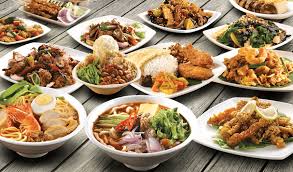
Islam is a complete way of life that provides guidance for every aspect of human existence, including eating, drinking and food consumption. Food is an essential part of human life because it provides the body with the energy and nutrients needed for growth, strength and good health. However, in Islam, eating and drinking are not merely physical activities; they are also acts of worship when performed with the right intentions and in accordance with the teachings of Allah and His Messenger, Prophet Muhammad (peace be upon him).
Islam encourages Muslims to consume food and drinks that are lawful (Halal), pure (Tayyib) and beneficial to the body. It also teaches moderation, cleanliness, gratitude and proper table manners. Muslims are encouraged to avoid excessiveness, wastefulness and anything that may harm their physical, spiritual or moral well-being.
Allah says in the Qur’an:
“O mankind, eat from whatever is on earth that is lawful and good, and do not follow the footsteps of Satan. Indeed, he is to you a clear enemy.” (Qur’an 2:168).
This verse highlights the importance of consuming food that is both lawful and wholesome. Therefore, understanding Islamic guidelines for eating and drinking helps Muslims maintain a healthy lifestyle while strengthening their relationship with Allah.
1. Eating Only Halal and Pure Food
One of the fundamental principles of Islamic dietary laws is that Muslims must consume food that is Halal (lawful) and Tayyib (pure, wholesome and good).
Halal food refers to anything that is permitted under Islamic law, while Tayyib refers to food that is clean, safe, nutritious and suitable for consumption.
Allah says:
“O you who believe, eat from the good things which We have provided for you and be grateful to Allah, if it is Him that you worship.” (Qur’an 2:172).
Muslims should ensure that the food they consume meets Islamic requirements. This includes checking food ingredients, preparation methods and sources, especially when purchasing processed foods or eating outside the home.
Examples of Halal foods include:
- Fruits and vegetables.
- Rice, beans and other grains.
- Fish and other permissible seafood.
- Properly slaughtered Halal meat.
- Milk and dairy products that contain permissible ingredients.
- Nuts and natural foods.
Eating Halal food is not simply about avoiding prohibited items; it is also about choosing food that promotes cleanliness, health and well-being.
2. Avoiding Haram (Prohibited) Foods and Drinks
Islam clearly identifies certain foods and drinks that are forbidden for Muslims. Consuming these substances intentionally without a valid Islamic exemption is prohibited.
Allah says:
“Prohibited to you are dead animals, blood, the flesh of swine, and that which has been dedicated to other than Allah…” (Qur’an 5:3).
Some examples of prohibited foods and drinks include:
Pork and its products: Muslims are forbidden from eating pork, bacon, ham and other pork-derived products.
Blood: Consuming flowing blood as food is prohibited.
Carrion: Animals that die naturally or are not slaughtered according to the applicable Islamic requirements are generally prohibited, subject to the exceptions established in Islamic law.
Intoxicants: Alcoholic drinks and other intoxicating substances are prohibited because of their harmful effects on individuals and society.
Improperly slaughtered animals: Land animals that require Islamic slaughter must be slaughtered according to the prescribed Islamic requirements.
Muslims should also pay attention to food additives, gelatin, flavourings and other ingredients that may come from prohibited sources.
However, Islam recognises exceptional circumstances. For example, a person facing genuine necessity may consume a prohibited substance to the extent necessary to preserve life, provided the conditions of Islamic law are met.
3. Starting Every Meal with the Name of Allah
One of the beautiful Sunnah practices of Prophet Muhammad (peace be upon him) is remembering Allah before eating.
Muslims are encouraged to say:
Bismillah (In the name of Allah).
This simple expression reminds believers that all blessings come from Allah and that food should be consumed with gratitude and awareness of Him.
The Prophet Muhammad (peace be upon him) instructed a young boy:
“O young boy, mention the name of Allah, eat with your right hand, and eat from what is nearest to you.” (Sahih al-Bukhari and Sahih Muslim).
This Hadith establishes three important eating manners:
- Mentioning the name of Allah before eating.
- Eating with the right hand.
- Eating from the portion nearest to oneself.
If someone forgets to say Bismillah at the beginning of a meal, the Prophet (peace be upon him) taught that the person should say:
Bismillahi awwalahu wa akhirahu.
Meaning: In the name of Allah, at its beginning and at its end.
4. Eating with the Right Hand
Islam encourages Muslims to use their right hand when eating and drinking.
The Prophet Muhammad (peace be upon him) said:
“When any one of you eats, let him eat with his right hand, and when he drinks, let him drink with his right hand, for Satan eats and drinks with his left hand.” (Sahih Muslim).
Using the right hand is an important Sunnah practice that demonstrates obedience to the Prophet’s teachings.
Muslims should therefore develop the habit of eating and drinking with their right hand, except where a genuine physical disability or necessity prevents them from doing so.
5. Eating from What Is Nearest to You
Another important Islamic eating etiquette is to eat from the portion of food nearest to you, especially when sharing a common plate.
This practice promotes good manners, consideration for others and cleanliness.
The Prophet Muhammad (peace be upon him) instructed Umar ibn Abi Salamah to eat from what was nearest to him.
This does not mean that Muslims cannot reach for different foods when meals are served separately. Rather, it teaches consideration and discourages disturbing other people’s portions when sharing food.
6. Avoiding Excessive Eating and Drinking
Islam strongly discourages overeating and excessive consumption.
Although eating is necessary for survival, Muslims are encouraged to maintain moderation and avoid filling their stomachs beyond what is needed.
Allah says:
“Eat and drink, but do not be excessive. Indeed, He does not like those who commit excess.” (Qur’an 7:31).
The Prophet Muhammad (peace be upon him) also taught that a human being should not fill a container worse than his stomach.
He explained that a few mouthfuls are sufficient to keep a person upright, but if more food is necessary, one-third should be reserved for food, one-third for drink and one-third for breathing. (Jami’ at-Tirmidhi and Sunan Ibn Majah).
This teaching encourages Muslims to practise portion control and avoid unhealthy eating habits.
Excessive eating may contribute to obesity, digestive problems and other health complications. Therefore, moderation is beneficial for both physical health and spiritual discipline.
7. Drinking Water According to the Sunnah
Water is one of Allah’s greatest blessings. Islam teaches Muslims to appreciate this blessing and observe proper manners when drinking.
The Prophet Muhammad (peace be upon him) encouraged drinking in a calm and controlled manner.
Some recommended drinking etiquettes include:
- Saying Bismillah before drinking.
- Drinking with the right hand.
- Sitting while drinking as a recommended Sunnah practice.
- Drinking in separate breaths rather than gulping the entire drink at once.
- Saying Alhamdulillah after drinking.
The Prophet Muhammad (peace be upon him) instructed Muslims not to breathe into the drinking vessel. (Sahih al-Bukhari and Sahih Muslim).
These practices promote cleanliness, consideration and gratitude.
Although sitting while drinking is a recommended Sunnah, authentic narrations also establish that the Prophet drank while standing on certain occasions. Therefore, standing while drinking is not universally forbidden.
8. Avoiding Blowing into Food and Drinks
Islam encourages cleanliness and consideration when eating and drinking.
The Prophet Muhammad (peace be upon him) prohibited breathing into drinking vessels.
Muslims should therefore avoid blowing directly into shared food or drinking containers.
When food or drinks are too hot, it is better to allow them to cool naturally before consuming them.
This practice helps maintain hygiene, particularly when sharing meals with family members, friends or guests.
9. Eating Together and Sharing Food
Islam encourages generosity, hospitality and sharing meals with others.
Eating together strengthens family relationships, promotes unity and creates opportunities for kindness.
The Prophet Muhammad (peace be upon him) taught that the food of two people may be sufficient for three, and the food of three may be sufficient for four. (Sahih al-Bukhari and Sahih Muslim).
This Hadith encourages Muslims to share their blessings rather than becoming selfish or unwilling to accommodate others.
Muslims are encouraged to:
- Share food with family members and neighbours.
- Feed the poor and needy.
- Welcome guests with kindness.
- Avoid wasting food.
- Show appreciation to those who prepare meals.
Providing food for others is a virtuous act that can bring great rewards from Allah.
10. Avoiding Wastefulness in Food Consumption
Wastefulness is discouraged in Islam, whether it involves food, water or other resources.
Allah says:
“Indeed, the wasteful are brothers of the devils.” (Qur’an 17:27).
Muslims should avoid preparing more food than they can reasonably consume, throwing away edible food or wasting water unnecessarily.
Practical ways to avoid food waste include:
- Preparing meals according to household needs.
- Storing leftover food properly.
- Sharing surplus food with others.
- Buying only what is necessary.
- Avoiding excessive food purchases.
- Taking reasonable portions when eating.
Food is a blessing from Allah, and treating it responsibly demonstrates gratitude and good character.
11. Saying Alhamdulillah After Eating
After finishing a meal, Muslims are encouraged to praise and thank Allah for providing them with food.
The Prophet Muhammad (peace be upon him) taught that Allah is pleased with a servant who praises Him after eating or drinking. (Sahih Muslim).
One of the supplications after eating is:
Alhamdulillahil-ladhi at’amani hadha wa razaqanihi min ghayri hawlin minni wa la quwwah.
Meaning: All praise is due to Allah, who has fed me this and provided it for me without any power or strength on my part.
Expressing gratitude reminds Muslims that food is a provision from Allah and should never be taken for granted.
12. Observing Cleanliness and Hygiene Before and After Eating
Cleanliness is an important aspect of Islamic teachings.
Muslims are encouraged to maintain personal hygiene and ensure that their food preparation and eating environments are clean.
Important hygiene practices include:
- Washing hands before and after eating.
- Using clean plates, cups and eating utensils.
- Washing fruits and vegetables before consumption.
- Ensuring meat and other foods are properly prepared.
- Keeping food covered and protected from contamination.
- Maintaining cleanliness in the kitchen and dining area.
These practices help prevent food contamination and reduce the risk of foodborne illnesses.
Islam teaches Muslims to care for their bodies because the body is a trust from Allah.
13. Eating Food in a Peaceful and Respectful Manner
Islam encourages good character during meals.
Muslims should avoid greed, unnecessary arguments, disrespectful behaviour and complaining excessively about food.
The Prophet Muhammad (peace be upon him) never criticised food. If he liked it, he ate it, and if he disliked it, he left it. (Sahih al-Bukhari and Sahih Muslim).
This Hadith teaches Muslims to appreciate the efforts of those who prepare meals.
If a particular meal does not appeal to someone, they can simply leave it without insulting the food or embarrassing the person who prepared it.
Good manners at the dining table reflect good Islamic character.
14. The Importance of Eating Healthy and Nutritious Food
Islam encourages Muslims to preserve their health and avoid things that cause unnecessary harm.
The Qur’an describes permissible food as good and wholesome, encouraging believers to make responsible dietary choices.
A balanced diet should include:
- Fruits and vegetables.
- Whole grains and cereals.
- Beans and other legumes.
- Fish and permissible meat.
- Milk and other suitable dairy products.
- Adequate amounts of clean drinking water.
Muslims should avoid unhealthy eating patterns, including excessive consumption of sugary foods, excessive salt intake and overeating.
Maintaining a healthy diet helps the body function properly and supports an active lifestyle.
It is important to understand that Islam does not require Muslims to eat expensive or luxurious meals. Simple, nutritious and Halal food is sufficient.
15. The Islamic Guidelines for Eating During Ramadan
Ramadan is a special month in which Muslims fast from dawn until sunset as an act of worship.
During this period, Muslims should observe proper eating and drinking habits at Suhoor (the pre-dawn meal) and Iftar (the meal for breaking the fast).
Suhoor
Suhoor is the meal eaten before dawn. The Prophet Muhammad (peace be upon him) encouraged Muslims to observe Suhoor because there is blessing in it. (Sahih al-Bukhari and Sahih Muslim).
Muslims should choose nutritious foods that provide energy throughout the fasting period.
Iftar
Iftar is the meal eaten at sunset to break the fast.
The Prophet Muhammad (peace be upon him) encouraged breaking the fast with fresh dates. If fresh dates are unavailable, dry dates may be used, and if those are unavailable, water is suitable. (Sunan Abi Dawud and Jami’ at-Tirmidhi).
Muslims should avoid overeating at Iftar and ensure they drink enough water between sunset and dawn.
Ramadan teaches patience, self-discipline, gratitude and compassion for people experiencing hunger.
16. Being Careful About Food Ingredients and Food Sources
In today’s world, many food products contain different ingredients, preservatives, flavourings and additives.
Muslims should pay attention to the ingredients of processed foods, particularly when their sources may affect whether the food is Halal.
Examples include:
- Gelatin.
- Animal-based enzymes.
- Certain food flavourings.
- Meat-derived additives.
- Alcohol-based ingredients.
Not every ingredient with a chemical or unfamiliar name is automatically Haram. Its source, function and the relevant Islamic rulings must be considered.
When uncertain, Muslims should consult reliable Halal certification authorities or knowledgeable Islamic scholars.
17. The Spiritual Benefits of Eating According to Islamic Guidelines
Following Islamic eating and drinking guidelines provides benefits beyond physical health.
It strengthens faith: Remembering Allah before and after meals keeps Muslims conscious of their Creator.
It encourages gratitude: Appreciating food helps believers recognise Allah’s countless blessings.
It develops self-discipline: Avoiding excessiveness teaches Muslims to control their desires.
It promotes generosity: Sharing food encourages kindness and compassion towards others.
It protects health: Choosing clean, wholesome food and practising moderation supports physical well-being.
It strengthens family relationships: Eating together encourages unity, love and communication.
It promotes cleanliness: Proper hygiene and food handling help protect individuals and communities.
18. Common Mistakes Muslims Should Avoid When Eating and Drinking
Although eating and drinking are everyday activities, Muslims should be mindful of certain mistakes that may conflict with Islamic manners.
Some common mistakes include:
- Forgetting to mention Allah’s name before eating.
- Eating with the left hand without a valid reason.
- Consuming prohibited foods and drinks.
- Overeating and drinking excessively.
- Wasting food and water.
- Criticising or insulting food unnecessarily.
- Neglecting cleanliness during food preparation.
- Being selfish and refusing to share food with others.
- Ignoring the importance of Halal ingredients.
- Failing to appreciate Allah’s blessings.
Muslims should continuously strive to improve their eating habits by following the Qur’an and authentic Sunnah.
Conclusion
Islamic guidelines for eating, drinking and food consumption provide a complete framework for maintaining physical health, spiritual discipline and good character.
Islam teaches Muslims to consume Halal and wholesome food, avoid prohibited substances, begin meals with the name of Allah, eat with the right hand, practise moderation, maintain cleanliness and express gratitude after eating.
These teachings demonstrate that even ordinary daily activities can become acts of worship when performed with sincere intentions and in accordance with Islamic principles.
Muslims should remember that food is a blessing and a provision from Allah. Therefore, it should be consumed responsibly, shared generously and never wasted.
By following the eating and drinking manners taught by Prophet Muhammad (peace be upon him), Muslims can develop healthier lifestyles, strengthen their faith and demonstrate gratitude for the countless blessings of Allah.
May Allah guide us to consume what is Halal and wholesome, protect us from what is prohibited, bless our provisions and make us among those who are always grateful. Ameen.
Frequently Asked Questions (FAQs)
1. What does Islam say about eating food?
Islam permits Muslims to eat food that is Halal, pure and beneficial. It also encourages cleanliness, moderation, gratitude and avoiding wastefulness.
2. What should a Muslim say before eating?
A Muslim should say “Bismillah” before eating to remember Allah and seek blessings in the meal.
3. Which hand should Muslims use when eating?
Muslims are encouraged to eat and drink with their right hand, following the Sunnah of Prophet Muhammad (peace be upon him).
4. Is overeating prohibited in Islam?
Islam discourages excessive eating and drinking. Muslims are encouraged to practise moderation and avoid harming their health through overconsumption.
5. Is it compulsory to sit while drinking water?
Sitting while drinking is a recommended Sunnah practice. However, authentic narrations show that the Prophet also drank while standing on certain occasions.
6. What should Muslims say after eating?
Muslims should say “Alhamdulillah” to thank Allah for providing their food.
7. Can Muslims eat food prepared by non-Muslims?
Yes. Food prepared by non-Muslims can be permissible provided its ingredients and preparation meet Islamic dietary requirements. Special rules apply to meat and slaughter.
8. Why does Islam prohibit pork and alcohol?
Both are explicitly prohibited in Islamic teachings. Muslims are required to follow Allah’s commands and avoid prohibited substances.
9. What is the importance of sharing food in Islam?
Sharing food encourages generosity, compassion, hospitality and unity. Feeding others is also a virtuous act in Islam.
10. What is the best eating habit in Islam?
The best approach is to eat Halal and wholesome food, mention Allah’s name before eating, use the right hand, eat moderately, maintain cleanliness and thank Allah afterwards.
