


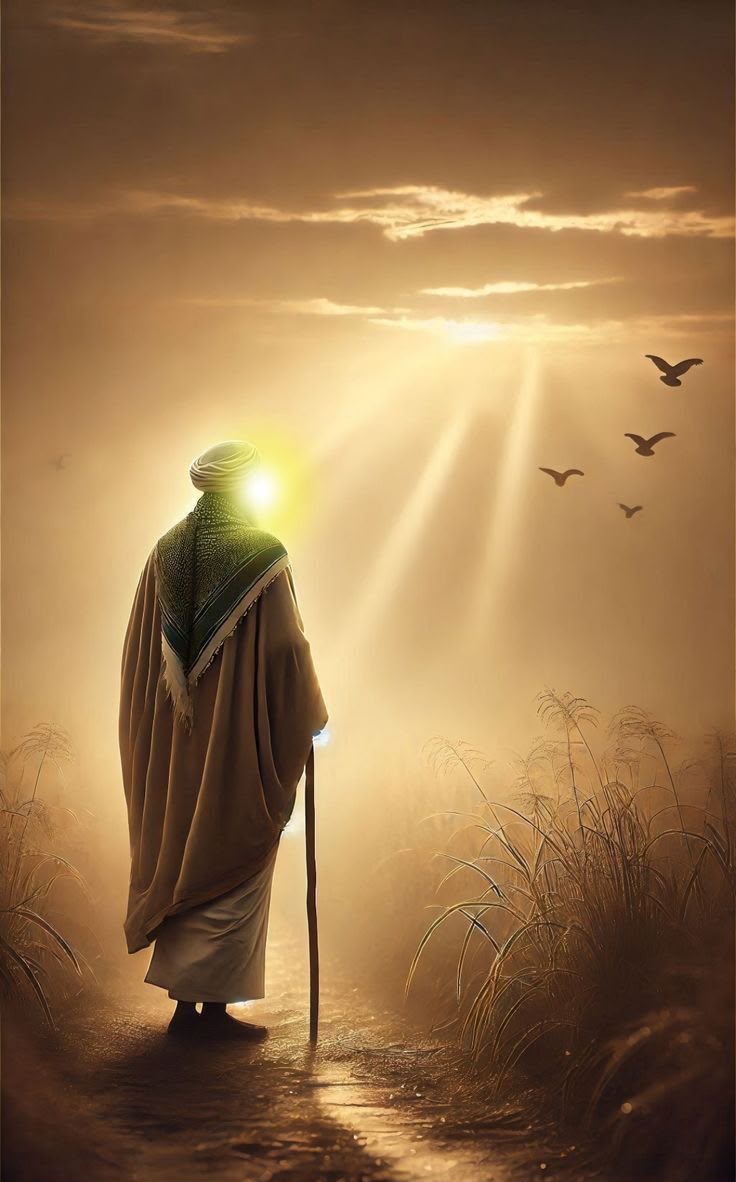
Among the companions of the Prophet Muhammad ﷺ were people who made mistakes, faced difficulties, and experienced moments of weakness. Their stories are valuable because they show us how a believer should respond after making a mistake.
One of the most powerful examples is the story of Ka’b ibn Malik رضي الله عنه, a companion who missed an important journey with the Prophet ﷺ and later demonstrated the importance of honesty, patience, and sincere repentance.
A MOMENT OF WEAKNESS
Ka’b ibn Malik was one of the companions who had accepted Islam early and had supported the Prophet ﷺ through many challenges. He was known as a sincere believer and a poet who defended Islam with his words.
During the expedition of Tabuk, the Prophet ﷺ called upon the Muslims to prepare for a difficult journey. It was a challenging time because of the long distance, the heat, and the difficulty of the conditions.
Ka’b had the ability to join the expedition. He had resources, strength, and no genuine excuse preventing him from going. However, he kept delaying his preparation, thinking he still had enough time.
Days passed, and the Muslim army eventually departed without him.
When Ka’b realised that he had missed the opportunity, he felt deep regret. He knew that his absence was not because he lacked ability, but because he had delayed and allowed himself to fall behind.
THE TEST OF HONESTY
When the Prophet ﷺ returned to Madinah, those who had stayed behind came to explain their reasons. Some people gave excuses that were not true, but Ka’b made a different choice.
He stood before the Prophet ﷺ and admitted the truth.
He said that he had no excuse and that he had made a mistake.
This was not easy. A lie could have protected him from immediate embarrassment, but Ka’b understood that honesty before Allah was more important than avoiding criticism.
THE CONSEQUENCE OF HIS DECISION
Because of what happened, the Prophet ﷺ instructed the Muslims not to speak to Ka’b and two other companions who had also stayed behind without a valid excuse.
For fifty days, Ka’b experienced a difficult period. He felt the pain of being separated from the community, but he remained patient and continued turning to Allah.
Despite the hardship, he refused to create another excuse or pretend that he had done nothing wrong.
ALLAH ACCEPTS SINCERE REPENTANCE
After this period, Allah revealed verses accepting the repentance of Ka’b and the two other companions.
Their story became a lesson recorded in the Qur’an, showing that Allah accepts those who sincerely return to Him.
Ka’b later said that one of the greatest blessings Allah gave him was not only forgiveness but also the ability to remain truthful when lying would have been easier.
LESSONS FOR MUSLIMS TODAY
The story of Ka’b ibn Malik teaches several important lessons.
First, procrastination can cause us to miss valuable opportunities. His mistake began with repeatedly delaying something he intended to do.
Second, honesty is always the better choice, even when admitting the truth is difficult. A mistake can be corrected, but dishonesty creates bigger problems.
Third, repentance requires sincerity. It is not enough to feel regret; a believer must acknowledge mistakes and make efforts to improve.
APPLYING THE LESSON TODAY
Muslims today can learn from Ka’b’s experience by being honest with themselves and with others.
If we are neglecting our prayers, we should acknowledge it and work on improving.
If we have wronged someone, we should apologise and correct the situation.
If we have delayed good deeds, we should stop making excuses and take action.
Allah’s mercy is always available for those who sincerely return to Him.
The story of Ka’b ibn Malik is a reminder that making a mistake does not end a person’s journey. What matters is the honesty to admit it, the patience to correct it, and the determination to become better.
May Allah make us people of truthfulness, grant us sincere repentance, and help us remain steadfast in obedience to Him. Āmīn.
