

THE DIFFERENCE BETWEEN BEING RELIGIOUS AND HAVING TAQWA: LOOKING BEYOND OUTWARD PRACTICES TO THE CONDITION OF THE HEART

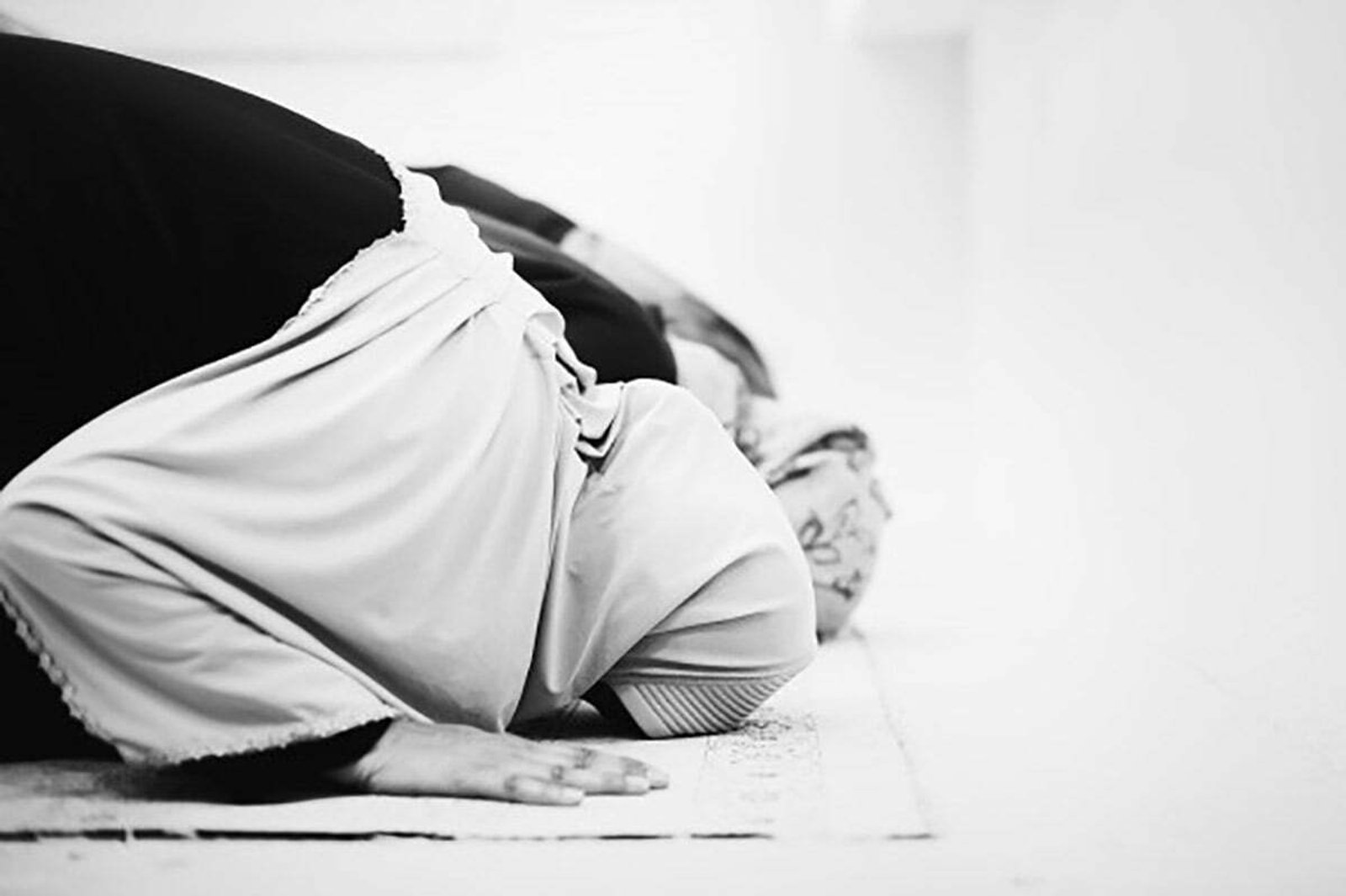
In today’s world, being religious is often associated with visible acts of worship and outward expressions of faith. We recognise someone as religious because they pray regularly, attend the mosque, dress modestly, recite the Qur’an, observe fasting, or frequently share Islamic reminders.
These are all important aspects of practising Islam. However, there is a deeper question that every Muslim should reflect upon: Is being visibly religious the same as having Taqwa?
Islam is not simply about performing religious activities or maintaining an outward appearance of righteousness. It is also about the condition of our hearts, the sincerity of our intentions, the way we treat people, and our awareness of Allah in everything we do.
This is where the concept of Taqwa becomes particularly important.
Taqwa is often translated as God-consciousness, piety, or consciousness of Allah. It involves being aware that Allah sees us, knowing that we are accountable for our actions, and making conscious efforts to live according to His guidance.
A person may perform numerous acts of worship while struggling with dishonesty, arrogance, jealousy, backbiting, or injustice towards others. Another person may not be particularly expressive about their religious identity but may demonstrate remarkable sincerity, humility, kindness, and consciousness of Allah.
This does not mean that outward religious practices are unimportant. Rather, it reminds us that true Islamic commitment should involve both outward obedience and inward righteousness.
In a generation where religious identity can sometimes become associated with appearances, popularity, and public recognition, it is important to understand the difference between simply looking religious and genuinely developing Taqwa.
Ultimately, Islam is not about impressing people with how religious we appear. It is about sincerely seeking the pleasure of Allah.
1. WHAT DOES IT MEAN TO BE RELIGIOUS?
Being religious generally refers to identifying with a faith and participating in its prescribed acts of worship, beliefs, and practices.
For Muslims, this includes performing Salah, fasting during Ramadan, giving Zakat when required, reciting the Qur’an, observing Islamic dress guidelines, and following the teachings of Prophet Muhammad (peace and blessings be upon him).
These practices are fundamental to our faith.
The five pillars of Islam establish important foundations for a Muslim’s religious life. They provide structure, discipline, and guidance for maintaining a relationship with Allah.
However, there is a difference between performing religious activities and allowing those activities to transform our character.
For example, someone may pray five times daily but continue to cheat people in business. Another person may regularly attend Islamic gatherings but struggle to forgive others. Someone may frequently share religious quotations online but engage in backbiting and humiliation behind closed doors.
This raises an important question: Are our religious practices influencing the way we live?
Salah should encourage discipline, humility, and obedience. Fasting should help develop self-restraint. Zakat should strengthen generosity and compassion. Reciting the Qur’an should encourage reflection and a commitment to its teachings.
Religious practices should not become isolated activities that have little influence on our everyday behaviour.
Being religious should involve more than fulfilling visible obligations. It should encourage us to become better Muslims in our interactions, decisions, attitudes, and relationships.
2. WHAT IS TAQWA IN ISLAM?
Taqwa is one of the most important concepts in the Qur’an.
Although it is commonly translated as God-consciousness or piety, its meaning goes beyond a simple awareness of Allah.
Taqwa involves recognising the greatness of Allah, being conscious of His presence and knowledge, protecting ourselves from what displeases Him, and striving to live according to His guidance.
A person with Taqwa understands that their actions are not limited to what other people can see.
They recognise that Allah knows their intentions, thoughts, private conversations, and hidden behaviours.
This awareness influences how they conduct themselves, even when nobody is watching.
Allah says:
“O mankind, indeed We have created you from male and female and made you peoples and tribes that you may know one another. Indeed, the most noble of you in the sight of Allah is the most righteous of you. Indeed, Allah is Knowing and Acquainted.” (Qur’an 49:13).
This verse establishes an important principle: true honour in the sight of Allah is connected to Taqwa, not social status, wealth, ethnicity, appearance, or popularity.
Taqwa is not determined by how religiously impressive someone appears to society.
It is reflected in their sincerity, obedience, humility, and consciousness of Allah.
A person who possesses Taqwa understands that their relationship with Allah must remain meaningful both publicly and privately.
3. OUTWARD RELIGIOUS APPEARANCE DOES NOT ALWAYS REFLECT THE CONDITION OF THE HEART
One of the important lessons in Islam is that appearances do not necessarily reveal what exists within a person’s heart.
We may see someone wearing Islamic clothing, attending the mosque regularly, or speaking confidently about religious matters.
However, we cannot automatically conclude that we know the condition of their heart.
Similarly, we should not assume that someone who is quiet about their religious practices lacks faith or sincerity.
A person’s relationship with Allah is not something that can be fully measured through outward appearances.
The Prophet Muhammad (peace and blessings be upon him) said:
“Allah does not look at your appearance or your wealth, but He looks at your hearts and your deeds.” (Sahih Muslim).
This hadith provides a powerful reminder that outward appearance and material status are not the ultimate measures of a person’s worth before Allah.
However, the hadith does not suggest that outward religious obligations are unimportant. Rather, it reminds us that our hearts and actions must accompany our outward practices.
A Muslim should strive to ensure that what they display publicly is consistent with the values they practise privately.
We should also be careful about judging others based on what we see.
Our responsibility is to work on our own faith, correct our shortcomings, and seek sincerity in everything we do.
4. TAQWA IS ABOUT WHAT YOU DO WHEN NOBODY IS WATCHING
Perhaps one of the clearest ways to understand Taqwa is to consider how we behave when nobody is around.
It is relatively easy to appear religious when surrounded by people who share our values.
We may be careful about our language in the mosque, avoid inappropriate conversations in public, and demonstrate good manners when others are observing us.
But what happens when we are alone?
How do we behave when we have the opportunity to cheat someone without being caught?
What do we watch when nobody is monitoring our activities?
How do we speak about people when they are not present?
Do we maintain our Islamic principles when doing so may cost us money, popularity, or personal convenience?
Taqwa requires us to remember that Allah’s knowledge is not limited by human observation.
Allah says:
“And He is with you wherever you are. And Allah, of what you do, is Seeing.” (Qur’an 57:4).
This verse reminds believers that Allah is fully aware of their actions.
A person with Taqwa does not avoid wrongdoing simply because they fear being exposed by society.
They avoid wrongdoing because they recognise their responsibility before Allah.
This is why private conduct is such an important part of Islamic character.
True righteousness should not disappear when the audience disappears.
5. THE DIFFERENCE BETWEEN PERFORMING ACTS OF WORSHIP AND ALLOWING WORSHIP TO TRANSFORM YOU
Islam places great importance on worship, but worship should also influence our character.
Consider Salah.
The purpose of Salah is not simply to complete a series of movements at particular times. It is an act of worship through which Muslims remember Allah, demonstrate submission, and strengthen their relationship with Him.
Allah says:
“Indeed, prayer prohibits immorality and wrongdoing…” (Qur’an 29:45).
This verse highlights the moral significance of prayer.
Similarly, fasting during Ramadan is not simply about abstaining from food and drink. It is also an opportunity to develop discipline, patience, self-restraint, and Taqwa.
Allah says:
“O you who have believed, decreed upon you is fasting as it was decreed upon those before you that you may become righteous.” (Qur’an 2:183).
These verses remind us that acts of worship should have an impact on our behaviour.
If we pray regularly but continue to oppress others, we need to reflect on the influence our Salah is having on our lives.
If we fast but cannot control our anger, we should reconsider whether we are fully embracing the lessons of fasting.
If we recite the Qur’an but refuse to apply its teachings, we should ask ourselves whether we are engaging with its message meaningfully.
The goal is not simply to perform acts of worship but to allow them to nurture a more sincere, disciplined, compassionate, and obedient Muslim.
6. TAQWA IS REFLECTED IN HOW WE TREAT OTHER PEOPLE
Sometimes, people associate righteousness primarily with personal acts of worship.
However, Islam places tremendous importance on how we treat other human beings.
A Muslim’s relationship with Allah should influence their relationships with family members, neighbours, colleagues, friends, employees, customers, and strangers.
It is not enough to be respectful in the mosque while being cruel at home.
It is not enough to speak about Islamic values while treating workers unfairly.
It is not enough to encourage people to practise kindness while constantly humiliating others.
The Prophet Muhammad (peace and blessings be upon him) said:
“The best among you are those who have the best manners and character.” (Sahih al-Bukhari).
Good character is an essential part of Islamic teachings.
A person with Taqwa should make conscious efforts to avoid injustice, dishonesty, arrogance, unnecessary arguments, and harmful behaviour.
This includes:
- Being honest in business and financial dealings.
- Treating parents and family members with respect.
- Avoiding backbiting, gossip, and slander.
- Keeping promises and fulfilling responsibilities.
- Showing kindness to people regardless of their social status.
- Avoiding arrogance and looking down on others.
- Treating employees, domestic workers, and vulnerable people with dignity.
- Apologising when wrong and making sincere efforts to correct mistakes.
Taqwa should be visible in our conduct, not simply in the religious language we use.
7. THE DANGER OF RELIGIOUS PRIDE AND JUDGING OTHERS
Another important difference between outward religiosity and genuine Taqwa is the attitude we develop towards other people.
Sometimes, becoming more religious can unintentionally lead individuals to develop a sense of superiority.
They may begin looking down on people who do not dress like them, worship in exactly the same way, or demonstrate their faith in similar ways.
They may assume that their own religious knowledge makes them better than others.
This is a dangerous attitude.
Islam teaches humility and warns against arrogance.
Allah says:
“So do not claim yourselves to be pure; He is most knowing of who fears Him.” (Qur’an 53:32).
This verse reminds us not to declare ourselves righteous or superior.
Taqwa should make us more humble, not more arrogant.
The more we understand our responsibilities before Allah, the more aware we should become of our own shortcomings.
Instead of constantly examining the religious weaknesses of others, we should ask ourselves whether we are sincerely working to correct our own.
Are we becoming more patient? Are we becoming more forgiving? Are we becoming more honest? Are we treating people better?
Religious knowledge should encourage humility and responsibility, not a desire to condemn everyone around us.
We can advise others with wisdom and kindness without assuming that we are better than them.
8. TAQWA IN THE AGE OF SOCIAL MEDIA
Social media has changed the way many people express their religious identities.
Today, Muslims can share Qur’anic verses, Islamic lectures, reminders, hadith, and religious discussions with audiences around the world.
This can be beneficial when done sincerely and responsibly.
However, social media also creates opportunities for religious practices to become associated with attention, popularity, and public recognition.
Some people may become more concerned about appearing religious online than practising what they share.
A person may post daily Islamic reminders but struggle to apply those teachings in private.
Another may share content about modesty while engaging in conversations that contradict the values they publicly promote.
Others may feel pressured to display their religious activities to receive approval from their followers.
This brings us to an important Islamic concept: Ikhlas, or sincerity.
The Prophet Muhammad (peace and blessings be upon him) taught that actions are judged by intentions. This hadith is recorded in Sahih al-Bukhari and Sahih Muslim.
It reminds us that the purpose behind our actions matters.
Sharing Islamic knowledge can be an act of goodness, but we should regularly examine our intentions.
Are we sharing something because we genuinely want to benefit others, or because we want people to admire our religious identity?
Are we using social media to encourage goodness, or are we turning religion into a means of gaining attention?
Not every act of worship needs to be displayed publicly.
Some of the most meaningful acts of devotion can remain between a person and Allah.
9. TAQWA IN BUSINESS, WORK AND EVERYDAY LIFE
One of the greatest misconceptions about religious commitment is that it only concerns activities performed in places of worship.
However, Islam is a complete way of life.
Taqwa should influence how we conduct business, perform our jobs, manage our finances, and fulfil our everyday responsibilities.
For example, a Muslim business owner should not deceive customers simply to increase profits.
An employee should not deliberately neglect responsibilities while expecting full payment.
A trader should not manipulate prices through dishonesty or exploit people who are vulnerable.
A person in a position of authority should not use power to intimidate or oppress others.
These situations are not separate from religion.
They are part of our moral and spiritual responsibilities.
Allah says:
“Indeed, Allah commands you to render trusts to whom they are due and when you judge between people to judge with justice.” (Qur’an 4:58).
This verse highlights the importance of honesty, justice, and fulfilling responsibilities.
A Muslim with Taqwa understands that their faith must influence their decisions beyond the mosque.
It should guide how they earn money, treat others, fulfil promises, and respond to opportunities to do either right or wrong.
True religious commitment should be reflected in the ordinary decisions we make every day.
10. TAQWA IS NOT ABOUT BEING PERFECT
An important point to understand is that having Taqwa does not mean becoming a person who never makes mistakes.
Human beings are imperfect.
Even sincere Muslims experience moments of weakness, temptation, frustration, and spiritual difficulty.
A person may struggle with a particular sin despite making efforts to avoid it.
Someone may become angry, make an inappropriate comment, or fall short in their religious responsibilities.
What matters is the response that follows.
Does the person acknowledge the mistake? Do they seek forgiveness? Do they make an effort to correct their behaviour? Do they continue striving to become better?
Allah says:
“And those who, when they commit an immorality or wrong themselves [by transgression], remember Allah and seek forgiveness for their sins…” (Qur’an 3:135).
This verse reminds us of the importance of repentance.
Taqwa is not about pretending to be flawless.
It is about remaining conscious of Allah, recognising our shortcomings, and sincerely striving to return to what is right.
A person with Taqwa does not use their mistakes as an excuse to abandon their faith.
They seek forgiveness, learn from their experiences, and continue improving.
11. HOW CAN WE DEVELOP TAQWA IN OUR DAILY LIVES?
Developing Taqwa requires consistency, sincerity, and a willingness to examine our actions.
It is not something that can be achieved through appearance alone.
Here are some practical ways Muslims can strengthen their Taqwa:
1. Strengthen your relationship with the Qur’an.
Read the Qur’an regularly, understand its meanings, reflect on its lessons, and make sincere efforts to apply its guidance.
2. Protect your five daily prayers.
Perform Salah consistently and try to understand the meanings of what you recite.
3. Examine your intentions.
Before performing an action, ask yourself why you are doing it. Seek Allah’s pleasure rather than human approval.
4. Be conscious of Allah in private.
Remember that your actions are known to Allah even when nobody else can see them.
5. Improve your character.
Work on patience, honesty, humility, forgiveness, generosity, and kindness.
6. Avoid arrogance and self-righteousness.
Do not assume that your religious practices make you superior to other people.
7. Be honest in your dealings.
Practise integrity in business, employment, financial transactions, and personal relationships.
8. Make regular Istighfar.
Seek Allah’s forgiveness and acknowledge your shortcomings.
9. Choose good company.
Spend time with people who encourage sincerity, good character, and obedience to Allah.
10. Perform good deeds privately.
Develop acts of worship and charity that are not dependent on public recognition.
11. Learn about the rights of other people.
Understand that Taqwa involves fulfilling your responsibilities towards others, not simply concentrating on personal worship.
12. Make du’a for guidance and righteousness.
Regularly ask Allah to purify your heart, strengthen your faith, and help you remain steadfast.
12. THE ULTIMATE GOAL IS TO PLEASE ALLAH, NOT IMPRESS PEOPLE
Perhaps the most important lesson in understanding the difference between being religious and having Taqwa is recognising who our worship is ultimately for.
We do not pray to impress our neighbours.
We do not fast to receive compliments.
We do not dress modestly simply to gain public recognition.
We do not give charity to become famous.
We worship Allah because He alone deserves our worship.
When our religious practices become centred on people’s opinions, we risk losing sight of their true purpose.
A person may receive praise from society while struggling with sincerity.
Another may perform good deeds privately without receiving any recognition from others.
The ultimate concern should not be how religious people think we are, but whether we are sincerely striving to please Allah.
Allah says:
“And they were not commanded except to worship Allah, [being] sincere to Him in religion…” (Qur’an 98:5).
This verse reminds us of the importance of sincerity in worship.
Taqwa encourages us to build a relationship with Allah that is not dependent on public approval.
Whether people recognise our efforts or not, we should remain committed to doing what is right.
Our ultimate accountability is before Allah.
CONCLUSION: DO NOT JUST LOOK RELIGIOUS, STRIVE TO LIVE WITH TAQWA
Being religious and having Taqwa are closely connected, but they should not be treated as identical concepts.
Islam requires outward obedience and inward sincerity.
Our prayers, fasting, modesty, Qur’an recitation, and other acts of worship are essential parts of our faith. However, these practices should also influence our hearts, character, decisions, and relationships.
Taqwa reminds us that Islam is not simply about how we appear in public.
It is about how we conduct ourselves when nobody is watching, how we treat people who cannot benefit us, how we behave when we have the opportunity to do wrong, and how sincerely we strive to obey Allah.
We should be careful not to become Muslims who are religious in appearance but careless in character.
We should not be quick to criticise others while ignoring our own shortcomings.
We should not use religious knowledge to demonstrate superiority or use public acts of worship to seek admiration.
Instead, we should strive to become Muslims whose outward practices reflect inward sincerity.
Let our Salah make us more disciplined. Let our fasting develop self-restraint. Let our Qur’an recitation improve our understanding. Let our faith make us kinder, more honest, more humble, and more conscious of our responsibilities.
Most importantly, let us remember that the ultimate measure of righteousness is not determined by how impressive we appear to people.
Allah says:
“Indeed, the most noble of you in the sight of Allah is the most righteous of you.” (Qur’an 49:13).
May Allah grant us sincere hearts, strengthen our Taqwa, purify our intentions, improve our character, and make our private and public lives consistent with what pleases Him.
May He protect us from arrogance, hypocrisy, self-righteousness, and the desire for human approval.
May our outward worship be accompanied by inward sincerity, and may we become Muslims who do not simply speak about Islam but genuinely strive to live by its teachings.
Ameen.
A MESSAGE TO EVERY MUSLIM
Before asking yourself how religious you appear to other people, ask yourself a more important question:
How conscious am I of Allah when nobody is watching?
Do I maintain my honesty when dishonesty would benefit me?
Do I treat people with kindness even when I have nothing to gain from them?
Do I avoid backbiting when I am among friends?
Do I fulfil my responsibilities even when nobody is reminding me?
Do I seek forgiveness when I make mistakes?
Do I practise what I encourage others to practise?
These questions are not meant to make us feel hopeless or inadequate. They are reminders that faith requires continuous reflection and improvement.
Do not become so concerned with appearing religious that you forget to work on your heart.
Do not allow religious knowledge to make you arrogant.
And do not measure your righteousness by comparing yourself with others.
Instead, focus on developing a sincere relationship with Allah.
Remember that you do not have to be perfect to pursue Taqwa. You simply have to keep striving, repenting, learning, and improving.
The goal is not merely to be recognised as a religious person by society. The goal is to become a sincere servant of Allah.
QUESTIONS FOR REFLECTION
- Can someone appear religious outwardly while struggling with their character privately?
- How can Muslims ensure that their acts of worship influence their everyday behaviour?
- Why is sincerity (Ikhlas) so important in developing Taqwa?
- Have social media and public recognition changed the way some people express their religious identity?
- How can we avoid becoming judgemental or arrogant as we increase our religious knowledge?
- What practical steps can we take to strengthen our Taqwa?
Perhaps the greatest sign of spiritual growth is not how much more religious we appear to others, but how sincerely we strive to become better servants of Allah.
