


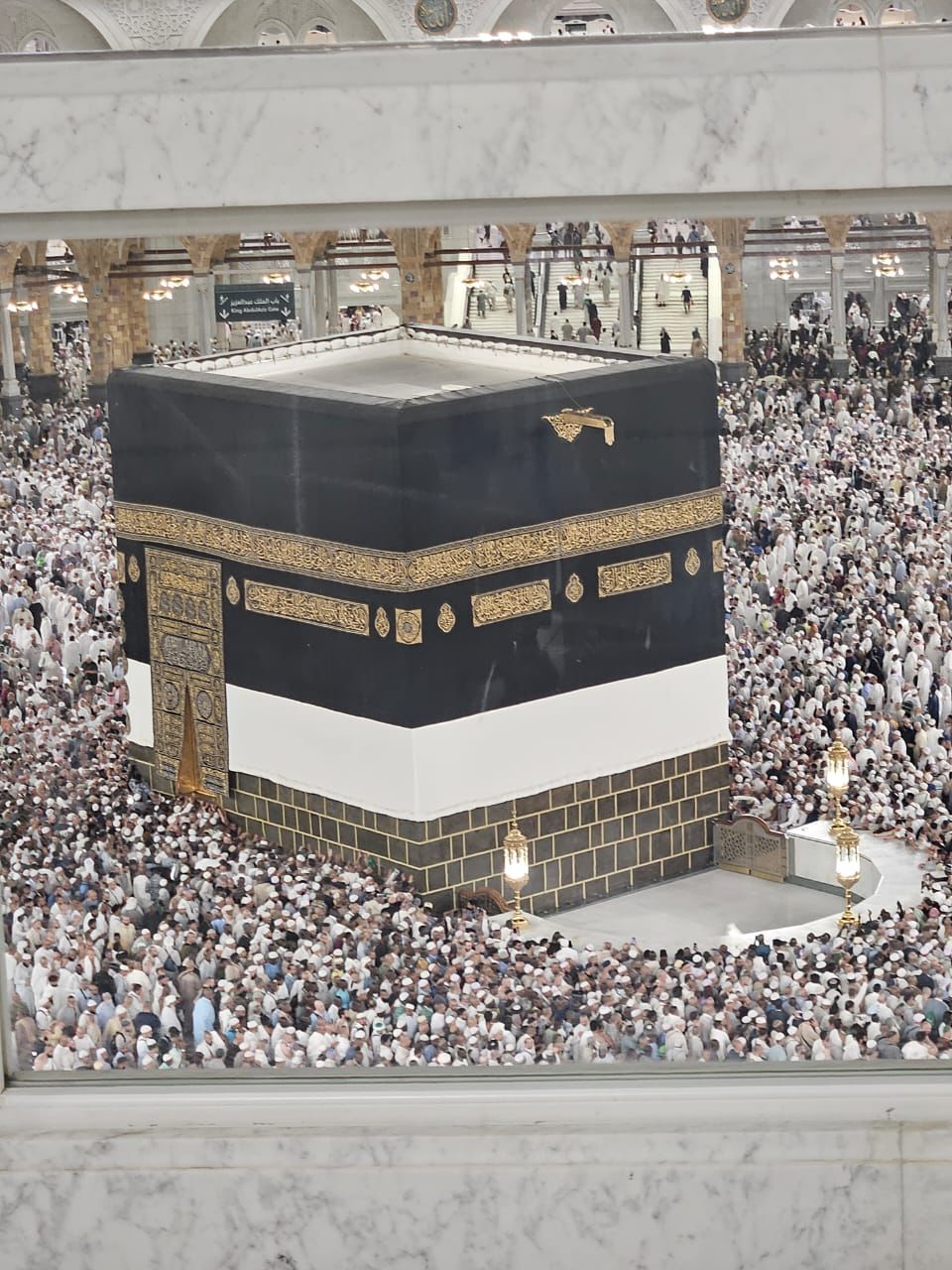
For many Muslims, performing Umrah for the first time is an experience they have imagined for years. The thought of finally seeing the Ka’bah, entering Masjid al-Haram, making Tawaf and standing in front of the House of Allah can be deeply emotional. Some people spend months preparing financially and spiritually for the journey, while others receive the opportunity unexpectedly and have only a short time to prepare.
But excitement can sometimes come with mistakes.
A first-time pilgrim may arrive in Makkah with a heart full of good intentions but little practical understanding of what the journey will actually require. They may become overwhelmed by the crowds, physical exhaustion, unfamiliar surroundings, different routines and the sheer number of things happening around them.
Umrah is an act of worship, not simply a religious trip. The way a pilgrim prepares, behaves and manages the journey can make a significant difference to the experience.
One common mistake is treating Umrah like an ordinary holiday.
There is nothing wrong with appreciating the beauty of Makkah and Madinah, visiting important places and taking photographs where appropriate. However, the central purpose of the journey should remain worship. A pilgrim can become so focused on restaurants, shopping, sightseeing, photographs and documenting every moment that the spiritual purpose of the journey gradually moves into the background.
You have travelled a long distance for a reason. The Ka’bah is not simply another destination to visit. You are there to worship Allah.
Another mistake is trying to do too much immediately.
Some pilgrims arrive exhausted after a long flight and still try to perform an enormous amount of worship without giving their bodies time to recover. They may walk for long periods, perform repeated voluntary Tawaf, visit several locations and stay awake for most of the night.
Islam does not require a person to destroy their health in the pursuit of worship.
Your body has rights over you. Rest is important, particularly during a journey that can involve considerable walking and physical exertion. A tired pilgrim who manages their energy wisely may be able to worship more consistently throughout the entire trip than someone who exhausts themselves within the first few days.
Another important mistake to avoid is entering the Haram without understanding the basic requirements of Umrah.
A pilgrim should learn about Ihram, intention, Tawaf, Sa’i, shaving or shortening the hair and the restrictions associated with Ihram before beginning the journey. There are details of fiqh where scholars may differ, so pilgrims should seek reliable guidance according to the school or scholarly guidance they follow.
Do not wait until you are standing at the Haram to start wondering what you are supposed to do.
Preparation reduces confusion.
Another mistake is becoming overly concerned about saying a particular Dua during every part of Tawaf.
There are authentic supplications and forms of remembrance that a pilgrim can use, but Umrah should not become an exercise in panic where someone believes they must memorise a long script for every circuit or their Tawaf will somehow be meaningless.
Remember Allah. Make Dua. Ask for forgiveness. Praise Him. Send blessings upon the Prophet ﷺ. Speak to Allah sincerely in the language you understand when making personal supplication.
The important thing is that your heart is engaged in worship.
Pilgrims should also avoid pushing, shouting or behaving aggressively in crowded areas.
The desire to touch the Black Stone, get close to the Ka’bah or reach a particular place can become very strong. But no voluntary act justifies harming another Muslim.
The Prophet ﷺ taught Muslims to avoid causing harm. A pilgrim should therefore be conscious of the people around them. Do not push elderly people, children or other pilgrims simply because you want to reach a particular spot.
The sacredness of the place should make us more careful about our character, not less.
This leads to another mistake: becoming angry during Umrah.
Crowds can test a person’s patience. Someone may walk slowly in front of you. Another pilgrim may accidentally bump into you. A group may stop in an inconvenient place. Transport may be delayed. Your room may not be ready when expected. Something may not go according to your plans.
These situations are opportunities to practise Sabr.
It is easy to speak about patience when everything is comfortable. Umrah gives you opportunities to practise it.
Do not allow frustration to turn a sacred journey into an extended period of arguments and complaints.
Another mistake is neglecting Salah because of the desire to perform Umrah-related activities.
Some people become so focused on Tawaf, shopping, visiting places or moving between locations that they become careless about the five daily prayers.
This is the wrong priority.
The obligatory prayers remain obligatory. Umrah does not replace them.
In fact, being in Makkah should encourage a person to become even more serious about Salah.
Another issue first-time pilgrims sometimes face is spending too much time on their phones.
There is nothing wrong with calling family, communicating with your group or taking necessary photographs. But if you spend a large portion of your time scrolling through social media while sitting inside the Haram, you may eventually realise that you were physically present in one of the most sacred places on earth while mentally somewhere else.
Put the phone away sometimes.
Look at the Ka’bah.
Make Dua.
Read Qur’an.
Make Dhikr.
Reflect.
Allow yourself to experience the moment without feeling the need to record everything.
Another mistake is comparing your Umrah with somebody else’s Umrah.
One pilgrim may stay for three weeks. Another may stay for seven days. One may have a hotel close to the Haram. Another may have accommodation farther away. One person may be physically strong enough to perform several voluntary acts every day. Another may need considerably more rest.
Do not turn worship into competition.
Your Umrah is your journey.
Focus on sincerity, obedience and doing what you are able to do properly.
Pilgrims should also be careful about relying on random information from social media.
There are many useful Islamic resources online, but there is also plenty of inaccurate information. A short video or social media post should not automatically become your source of religious guidance.
Before travelling, learn from qualified scholars or reliable Islamic resources. If you are unsure about an issue during Umrah, ask someone knowledgeable rather than relying on what another pilgrim says.
This is particularly important when dealing with matters concerning Ihram, Tawaf, Sa’i, missed requirements or situations where a pilgrim believes they may have made a mistake.
Another common mistake is neglecting Madinah because the pilgrim thinks Umrah is only about Makkah.
Madinah has a completely different atmosphere and a different spiritual experience. Visiting the Prophet’s Mosque ﷺ, sending Salam upon the Messenger of Allah ﷺ and spending time in worship there can be deeply meaningful.
However, pilgrims should also understand the distinction between what is part of Umrah itself and what is recommended or permissible during a visit to Madinah.
The journey should be approached with knowledge rather than assumptions.
Perhaps one of the biggest mistakes of all is expecting yourself to feel spiritually perfect every single day.
Some people arrive expecting constant tears, overwhelming emotions and uninterrupted spiritual concentration. When they experience tiredness, distraction or ordinary human emotions, they begin to wonder whether something is wrong with their faith.
Do not put unrealistic pressure on yourself.
You may have incredibly emotional moments during Umrah. You may also have ordinary moments where you are simply tired and trying to find your way back to the hotel.
That does not mean the journey has failed.
What matters is that you continue turning towards Allah.
Umrah should also teach the pilgrim something about gratitude.
You are not entitled to the opportunity simply because you can afford a ticket. Many Muslims dream of seeing the Ka’bah but never get the opportunity. Being able to make the journey is a blessing.
Be grateful for it.
Be grateful for the ability to walk.
Be grateful for your health.
Be grateful for the people who helped make the journey possible.
Be grateful that Allah allowed you to answer the call to worship Him.
When gratitude becomes part of the journey, even simple moments can become meaningful.
The greatest preparation for Umrah is therefore not buying the perfect luggage or planning the perfect itinerary. It is preparing the heart.
Learn what you need to know. Correct your intention. Ask Allah to accept your worship. Seek forgiveness before travelling. Set realistic expectations. Prepare your body for walking. Understand the basic rituals. And when you finally arrive, remember why you came.
You did not travel thousands of kilometres simply to say that you had been to Makkah.
You travelled to worship Allah.
You travelled to seek His forgiveness.
You travelled to make Dua.
You travelled to strengthen your relationship with Him.
You travelled hoping to return home better than when you left.
May Allah grant every Muslim who intends to perform Umrah the opportunity to reach Makkah safely, perform the rituals correctly, worship with sincerity and return home with their sins forgiven and their hearts strengthened.
And may Allah accept the Umrah of every pilgrim and make the journey a source of lasting goodness in their lives.
3SIXTYISLAM — YOUR TRUSTED HAJJ & UMRAH PARTNER
When it comes to Hajj and Umrah, experience and trust matter. 3SixtyIslam provides reliable packages, proper guidance, and full support from departure to return. We handle the journey so you can focus on your ibadah. Choose a travel partner that understands the responsibility of taking guests to the House of Allah.
Travel with 3SixtyIslam. DM @3SixtyIslam.
