

VISITING MADINAH: ISLAMIC ETIQUETTE AND THE VIRTUES OF MASJID AN-NABAWI – A COMPLETE GUIDE FOR UMRAH PILGRIMS

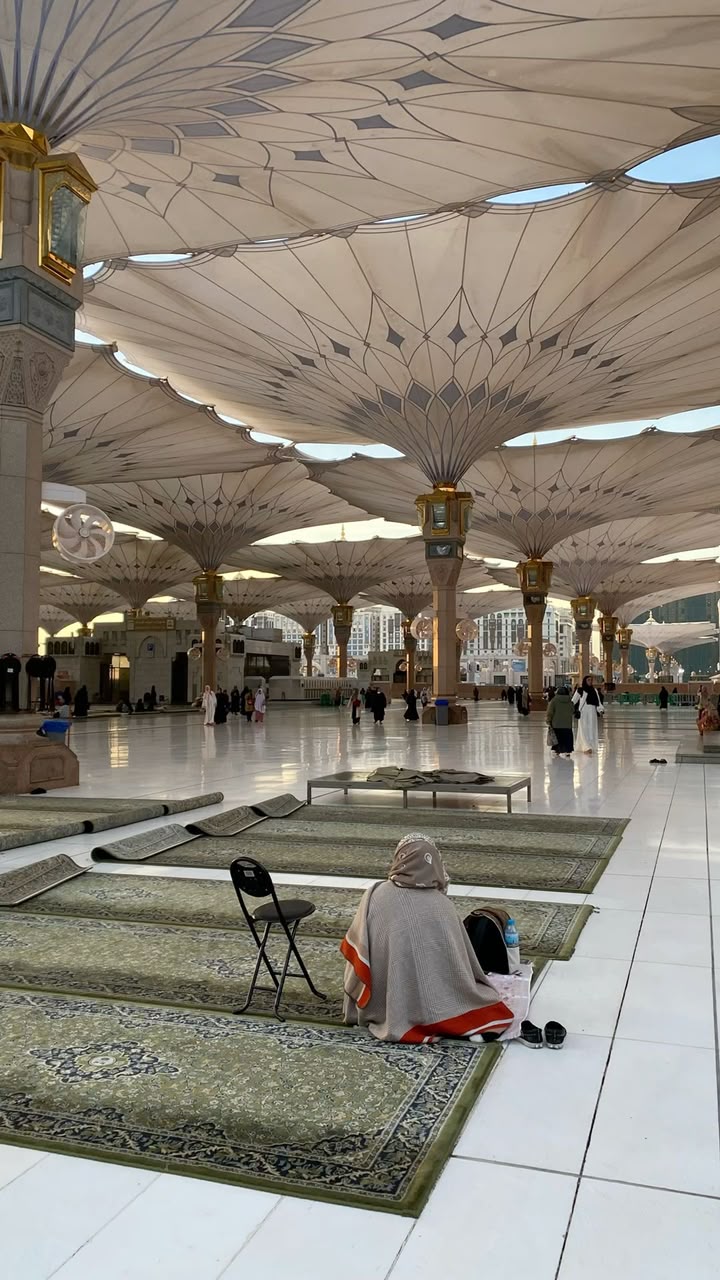
Madinah is one of the most sacred and beloved cities in Islam. It is the city that welcomed Prophet Muhammad (peace be upon him) after his migration from Makkah, provided a home for the early Muslim community and became the centre of Islamic civilisation.
For Muslims travelling to Saudi Arabia for Umrah, visiting Madinah is a deeply meaningful experience. It provides an opportunity to visit Masjid An-Nabawi, send salutations upon Prophet Muhammad (peace be upon him), reflect on Islamic history and increase one’s devotion to Allah.
Although visiting Madinah is not one of the obligatory rites of Umrah, it is a highly recommended and virtuous journey for Muslims who have the opportunity.
Madinah is also known as Al-Madinah Al-Munawwarah, meaning “The Enlightened City.” It holds a special place in the hearts of Muslims because of its association with the Prophet, his companions and the early generations of Islam.
The Prophet Muhammad (peace be upon him) said:
“One prayer in my mosque is better than one thousand prayers elsewhere, except Al-Masjid Al-Haram.” (Sahih al-Bukhari and Sahih Muslim).
This Hadith highlights the exceptional reward associated with performing Salah in Masjid An-Nabawi.
However, visiting Madinah should not be treated merely as sightseeing. It is an opportunity to strengthen one’s faith, increase remembrance of Allah, learn from the life of the Prophet and develop a stronger commitment to Islamic teachings.
This guide explains the virtues of Madinah, the importance of Masjid An-Nabawi, appropriate Islamic etiquette and important advice every Umrah pilgrim should know before visiting the city.
1. Understanding the Importance of Madinah in Islam
Madinah occupies a unique position in Islamic history.
Before the arrival of Prophet Muhammad (peace be upon him), the city was known as Yathrib. Following the Hijrah (migration) of the Prophet from Makkah, it became the centre of the growing Muslim community.
The migration took place in 622 CE and marked a significant turning point in Islamic history.
Madinah became the place where the Prophet:
- Established the first Muslim community in the city.
- Built Masjid An-Nabawi.
- Strengthened brotherhood between the Muhajirun and Ansar.
- Established important social and community agreements.
- Taught the Qur’an and Islamic principles.
- Led the Muslim community through important historical events.
The people of Madinah, particularly the Ansar, welcomed the Prophet and supported the early Muslims who migrated from Makkah.
Their generosity and sacrifice remain important examples of Islamic brotherhood.
Allah praised the Ansar and the Muhajirun in the Qur’an, highlighting their faith, sacrifice and commitment to Islam.
Visiting Madinah allows Muslims to reflect on these historical lessons and appreciate the sacrifices made by the earliest generations of believers.
2. The Virtues of Visiting Masjid An-Nabawi
<AsyncImage query=”Masjid Nabawi Medina Saudi Arabia green dome courtyard beautiful architecture” aspectRatio=”16:9″ width=”100%”/>
Masjid An-Nabawi is the Prophet’s Mosque and one of the three mosques that Muslims are encouraged to visit as part of a special religious journey.
The other two are Masjid Al-Haram in Makkah and Al-Masjid Al-Aqsa in Jerusalem.
The Prophet Muhammad (peace be upon him) said:
“Do not undertake a journey except to three mosques: this mosque of mine, Al-Masjid Al-Haram and Al-Masjid Al-Aqsa.” (Sahih al-Bukhari and Sahih Muslim).
Masjid An-Nabawi is among the most important places in Islam because of its direct connection with the Prophet.
One of its greatest virtues is the increased reward for prayer performed there.
The Prophet Muhammad (peace be upon him) said:
“One prayer in this mosque of mine is better than one thousand prayers in any other mosque, except Al-Masjid Al-Haram.” (Sahih al-Bukhari and Sahih Muslim).
This special reward encourages Muslims to take advantage of their time in Madinah by performing their obligatory and voluntary prayers in the mosque.
However, Muslims should remember that all prayers and acts of worship are ultimately directed to Allah alone.
3. The History and Significance of Masjid An-Nabawi
<AsyncImage query=”Masjid Nabawi Medina historic mosque green dome aerial photograph” aspectRatio=”16:9″ width=”100%”/>
Masjid An-Nabawi was established by Prophet Muhammad (peace be upon him) shortly after his arrival in Madinah.
The Prophet participated in the construction of the mosque alongside his companions.
Initially, it was a simple structure made with basic building materials. However, it served several important purposes beyond congregational prayer.
The mosque was:
- A place for performing Salah.
- A centre for Islamic education.
- A meeting place for the Muslim community.
- A location for receiving visitors and delegations.
- A place for discussing important community matters.
- A centre for teaching the Qur’an and Sunnah.
Over the centuries, the mosque underwent several expansions and renovations to accommodate the increasing number of Muslim visitors.
Today, Masjid An-Nabawi is one of the largest mosques in the world, welcoming millions of worshippers throughout the year.
Its magnificent architecture, spacious courtyards, beautiful domes and towering minarets make it one of the most recognisable landmarks in the Muslim world.
4. The Virtues of Ar-Rawdah (Riyad Al-Jannah)
<AsyncImage query=”Rawdah Riyad ul Jannah Masjid Nabawi green carpet prayer area Medina” aspectRatio=”16:9″ width=”100%”/>
One of the most special areas within Masjid An-Nabawi is Ar-Rawdah, also known as Riyad Al-Jannah.
The Prophet Muhammad (peace be upon him) said:
“What is between my house and my pulpit is one of the gardens of Paradise.” (Sahih al-Bukhari and Sahih Muslim).
This area is known as Ar-Rawdah and holds special significance for Muslims visiting the Prophet’s Mosque.
Pilgrims often desire to pray there because of its special virtue.
However, visitors should understand that access to Ar-Rawdah is regulated, and entry may require a permit through the official arrangements provided by Saudi authorities.
Important guidelines for visiting Ar-Rawdah include:
- Follow the official booking and entry procedures.
- Observe the instructions of mosque officials.
- Avoid pushing or struggling with other worshippers.
- Respect the allotted visiting time.
- Perform Salah and supplications calmly.
- Avoid disturbing others who are worshipping.
- Do not believe that visiting Ar-Rawdah is a compulsory requirement of Umrah.
Muslims should remember that the reward of worship is connected to sincerity and obedience to Allah, not to forcing access to a particular location.
5. Islamic Etiquette When Entering Masjid An-Nabawi
<AsyncImage query=”Masjid Nabawi interior prayer hall columns chandeliers worshippers Medina” aspectRatio=”16:9″ width=”100%”/>
Entering Masjid An-Nabawi is a special experience for many Muslims.
Visitors should approach the mosque with humility, respect and an intention to worship Allah.
The following etiquettes are recommended:
1. Enter with the right foot
Muslims are encouraged to enter mosques with the right foot, following the general Sunnah concerning entering places of honour and goodness.
2. Recite the mosque-entry supplication
One commonly recited supplication is:
Allahummaftah li abwaba rahmatik.
Meaning: O Allah, open for me the gates of Your mercy.
3. Maintain cleanliness
Ensure that your body, clothing and footwear are clean and suitable for entering the mosque.
4. Perform Tahiyyatul Masjid
Upon entering, Muslims are encouraged to perform two units of prayer before sitting, provided there is no reason preventing them from doing so.
The Prophet Muhammad (peace be upon him) said:
“When anyone of you enters the mosque, let him not sit until he has prayed two rak’ahs.” (Sahih al-Bukhari and Sahih Muslim).
If the congregational prayer is about to begin, one should join the congregation rather than perform a separate voluntary prayer.
5. Maintain silence and tranquillity
Avoid unnecessary conversations, loud voices and activities that disturb other worshippers.
6. Follow mosque regulations
Respect the instructions given by security personnel and mosque officials.
6. Sending Salutations Upon Prophet Muhammad (Peace Be Upon Him)
<AsyncImage query=”Exterior green dome Prophet mosque Medina Saudi Arabia” aspectRatio=”16:9″ width=”100%”/>
One of the important practices for visitors to Madinah is sending peace and blessings upon Prophet Muhammad (peace be upon him).
Muslims are encouraged to increase their Salawat upon the Prophet wherever they are, including when visiting his mosque.
Allah says:
“Indeed, Allah and His angels send blessings upon the Prophet. O you who believe, ask Allah to send blessings upon him and peace.” (Qur’an 33:56).
A commonly recited form of Salawat is:
Allahumma salli wa sallim ‘ala nabiyyina Muhammad.
Meaning: O Allah, send Your blessings and peace upon our Prophet Muhammad.
When visiting the area where the Prophet is buried, Muslims should maintain dignity and respect.
Visitors may offer greetings such as:
As-salamu ‘alayka ya Rasulallah.
Meaning: Peace be upon you, O Messenger of Allah.
They should then move on calmly without crowding others.
It is important to remember that supplication and worship are directed to Allah alone. Muslims should not ask the Prophet to fulfil their needs or treat the grave as an object of worship.
7. Visiting the Prophet’s Resting Place and the Graves of His Companions
The resting place of Prophet Muhammad (peace be upon him) is located within the Prophet’s Mosque, in the area historically associated with the room of Aisha (may Allah be pleased with her).
Abu Bakr As-Siddiq and Umar ibn Al-Khattab (may Allah be pleased with them) are also buried there.
Visitors should observe appropriate Islamic etiquette when passing the designated visitation area.
Important reminders include:
- Maintain a respectful and calm attitude.
- Send greetings and blessings upon the Prophet.
- Avoid pushing other visitors.
- Do not raise voices unnecessarily.
- Do not touch, kiss or rub barriers and structures seeking blessings.
- Do not make supplications to the occupants of the graves.
- Avoid treating the visit as an obligatory part of Umrah.
Muslims should remember that the Prophet taught people to worship Allah alone and avoid directing acts of worship to anyone else.
8. Performing Salah in Masjid An-Nabawi
<AsyncImage query=”Muslim worshippers praying rows inside Masjid Nabawi Medina” aspectRatio=”16:9″ width=”100%”/>
One of the greatest opportunities for pilgrims visiting Madinah is performing the five daily prayers in Masjid An-Nabawi.
The mosque attracts Muslims from different countries, cultures and backgrounds, all united by their faith in Allah.
Pilgrims should try to attend congregational prayers and make good use of their time in the mosque.
Recommended activities include:
- Performing the five obligatory prayers.
- Reading the Qur’an.
- Making dhikr and remembrance of Allah.
- Sending Salawat upon the Prophet.
- Making sincere personal supplications to Allah.
- Listening to beneficial Islamic lessons.
- Performing appropriate voluntary prayers.
The Prophet’s Mosque offers an excellent environment for reflection, worship and spiritual improvement.
Pilgrims should also avoid reserving spaces unnecessarily, disturbing others or arguing over preferred prayer locations.
9. The Virtues of Visiting Masjid Quba
<AsyncImage query=”Masjid Quba Medina Saudi Arabia white mosque courtyard exterior” aspectRatio=”16:9″ width=”100%”/>
Masjid Quba is another historically significant mosque in Madinah.
It is recognised as the first mosque established by Prophet Muhammad (peace be upon him) after his migration to Madinah.
The Qur’an refers to a mosque founded upon righteousness:
“A mosque founded upon righteousness from the first day is more worthy for you to stand in.” (Qur’an 9:108).
Many scholars identify this mosque as Masjid Quba.
The Prophet Muhammad (peace be upon him) regularly visited Masjid Quba.
He also said that whoever purifies himself at home and then comes to Masjid Quba and prays there will have a reward like that of Umrah. (Sunan Ibn Majah).
Pilgrims visiting Madinah are encouraged to visit Masjid Quba and perform prayer there when possible.
They should remember that visiting this mosque is a recommended opportunity, not a compulsory part of Umrah.
10. Visiting Other Historical Islamic Sites in Madinah
Madinah contains several historical locations associated with the life of Prophet Muhammad (peace be upon him) and the early Muslim community.
Visiting these locations can help pilgrims understand Islamic history and reflect on the sacrifices of the companions.
Some important sites include:
Mount Uhud
<AsyncImage query=”Mount Uhud Madinah Saudi Arabia mountain landscape” aspectRatio=”16:9″ width=”100%”/>
Mount Uhud is associated with the Battle of Uhud, which took place in the third year after Hijrah.
The battle involved the Muslims and the Quraysh of Makkah.
It provides important lessons about obedience, patience, unity and reliance upon Allah.
The Martyrs of Uhud Cemetery
<AsyncImage query=”Uhud martyrs cemetery Medina Saudi Arabia” aspectRatio=”16:9″ width=”100%”/>
This cemetery is associated with the Muslim martyrs who died during the Battle of Uhud, including Hamzah ibn Abdul-Muttalib (may Allah be pleased with him), the Prophet’s uncle.
Visitors can remember death, reflect on sacrifice and make the prescribed supplications for the deceased.
Masjid Al-Qiblatayn
<AsyncImage query=”Masjid Qiblatain Medina Saudi Arabia mosque exterior” aspectRatio=”16:9″ width=”100%”/>
Masjid Al-Qiblatayn is historically associated with the change of the Muslim prayer direction from Jerusalem towards the Kaaba in Makkah.
This event is mentioned in Qur’an 2:144.
Al-Khandaq (The Trench Area)
<AsyncImage query=”Seven Mosques site Al Khandaq Medina Saudi Arabia” aspectRatio=”16:9″ width=”100%”/>
This area is associated with the Battle of the Trench, also known as the Battle of Al-Ahzab.
The battle demonstrated the importance of consultation, strategic planning, patience and unity among Muslims.
These visits are educational opportunities. Pilgrims should avoid believing that visiting every historical site is necessary for a valid or accepted Umrah.
11. Islamic Etiquette When Visiting the City of Madinah
<AsyncImage query=”Madinah Saudi Arabia city skyline Prophet mosque palm trees” aspectRatio=”16:9″ width=”100%”/>
Madinah is a city of great religious significance, and visitors should behave with respect and consideration.
Some important etiquettes include:
1. Respect the sanctity of the city
Avoid actions that disturb residents, worshippers or other visitors.
2. Maintain good character
Be patient, polite and helpful, especially when interacting with people from different countries.
3. Avoid arguments and unnecessary disputes
Crowded environments can sometimes create misunderstandings. Respond calmly and respectfully.
4. Dress modestly
Wear appropriate clothing that reflects Islamic principles and respects local regulations.
5. Keep public places clean
Avoid littering and dispose of rubbish properly.
6. Respect local rules
Follow the instructions of Saudi authorities, especially regarding mosque entry, transportation and visitor movement.
7. Avoid excessive photography
Do not allow taking pictures or videos to interfere with worship or disturb other people.
8. Be generous and considerate
Help elderly pilgrims, assist people with disabilities and show kindness to fellow Muslims.
12. Important Duas and Dhikr for Pilgrims Visiting Madinah
Pilgrims should use their time in Madinah to increase remembrance of Allah and make sincere supplications.
The following are useful supplications to learn.
1. Dua when entering a mosque
Allahummaftah li abwaba rahmatik.
Meaning: O Allah, open for me the gates of Your mercy.
2. Sending blessings upon Prophet Muhammad (peace be upon him)
Allahumma salli wa sallim ‘ala Muhammad.
Meaning: O Allah, send Your blessings and peace upon Muhammad.
3. Dua for forgiveness
Astaghfirullah wa atubu ilayh.
Meaning: I seek Allah’s forgiveness and repent to Him.
4. Dua for goodness in this world and the Hereafter
Rabbana atina fid-dunya hasanatan wa fil-akhirati hasanatan wa qina adhaban-nar.
Meaning: Our Lord, grant us good in this world and good in the Hereafter, and protect us from the punishment of the Fire. (Qur’an 2:201).
5. Dua for acceptance of good deeds
Rabbana taqabbal minna innaka Antas-Sami’ul-‘Alim.
Meaning: Our Lord, accept this from us. Indeed, You are the All-Hearing, the All-Knowing. (Qur’an 2:127).
Muslims may also make personal supplications in their own languages, asking Allah for forgiveness, guidance, protection, good health and blessings for their families.
There is no requirement to use a special fixed supplication for every moment of a visit to Madinah.
13. Special Guidelines for Women Visiting Masjid An-Nabawi
Women are welcome to visit Masjid An-Nabawi and participate in worship according to Islamic guidelines and mosque arrangements.
Female pilgrims should observe modest dressing, maintain cleanliness and follow the designated entry and prayer arrangements.
Important considerations include:
- Wear appropriate and modest clothing.
- Follow designated women’s prayer areas and entry instructions.
- Avoid overcrowding and pushing.
- Respect visiting schedules for Ar-Rawdah.
- Maintain personal hygiene.
- Follow the guidance of mosque officials.
- Be aware of Islamic rulings concerning menstruation and prayer.
Women who are menstruating should understand that they are exempt from Salah during menstruation. They should follow reliable scholarly guidance regarding entering mosque areas, visiting arrangements and other activities.
Women should also remember that visiting the Prophet’s Mosque is not compulsory for completing Umrah.
14. Important Health and Safety Tips for Pilgrims in Madinah
<AsyncImage query=”Muslim elderly pilgrims walking courtyard Masjid Nabawi Medina umbrellas” aspectRatio=”16:9″ width=”100%”/>
Travelling for Umrah often involves long journeys, walking, crowded spaces and changes in weather.
Pilgrims should take practical steps to protect their health and safety.
Some useful recommendations include:
Stay hydrated: Drink sufficient safe water, particularly during hot weather.
Wear comfortable footwear: Choose appropriate shoes or sandals for walking long distances.
Carry essential medication: Bring prescribed medicines and keep them properly labelled.
Get adequate rest: Avoid exhausting yourself with too many activities.
Follow your group arrangements: Know your hotel location, meeting points and group leader’s contact information.
Keep identification documents safe: Carry the identification required by your travel organiser and Saudi authorities.
Look after elderly pilgrims: Assist older people and those with mobility difficulties.
Observe crowd safety: Avoid rushing, pushing or moving against crowd instructions.
Seek medical attention when necessary: Do not ignore serious symptoms or signs of illness.
Good health management helps pilgrims enjoy their journey and perform their worship comfortably.
15. Common Mistakes Pilgrims Should Avoid in Madinah
Although visiting Madinah is a special spiritual experience, pilgrims should avoid mistakes that may undermine their worship or cause difficulties for others.
Common mistakes include:
- Believing that visiting Madinah is compulsory for a valid Umrah.
- Treating the visit as a sightseeing trip without prioritising worship.
- Pushing others to gain access to Ar-Rawdah.
- Raising voices or arguing inside the mosque.
- Touching or kissing mosque structures and barriers while seeking blessings.
- Making supplications to the Prophet or deceased individuals instead of directing worship to Allah.
- Believing that every historical site in Madinah must be visited.
- Spending excessive time taking pictures instead of worshipping.
- Neglecting obligatory prayers because of travel activities.
- Disregarding mosque regulations and local instructions.
- Wasting food and water.
- Failing to show patience and kindness towards fellow pilgrims.
Every pilgrim should remember that good character is an important part of Islamic worship.
16. How to Make the Most of Your Time in Madinah
Time in Madinah can pass quickly, especially when pilgrims have limited days before returning home.
Therefore, it is important to plan activities wisely.
Here are some recommendations:
- Attend the five daily prayers at Masjid An-Nabawi.
- Read a portion of the Qur’an daily.
- Increase Salawat upon Prophet Muhammad (peace be upon him).
- Visit Ar-Rawdah according to the official arrangements, if possible.
- Visit Masjid Quba.
- Learn about the history of the Prophet and his companions.
- Make sincere supplications to Allah.
- Give charity to people in need through appropriate channels.
- Maintain good relationships with fellow pilgrims.
- Reflect on personal shortcomings and seek Allah’s forgiveness.
Most importantly, pilgrims should avoid turning their stay into a competition over who visits the most places or performs the greatest number of activities.
Sincerity, humility and good character are essential.
17. Lessons Every Muslim Should Learn from Visiting Madinah
Visiting Madinah should inspire Muslims to improve their lives after returning home.
Some important lessons include:
Love for the Prophet: Learning about the Prophet’s life should increase our appreciation of his teachings and commitment to following his Sunnah.
Patience: The history of Madinah reminds Muslims of the importance of patience during difficulties.
Brotherhood: The relationship between the Muhajirun and Ansar teaches generosity, sacrifice and unity.
Commitment to Salah: The opportunity to pray in Masjid An-Nabawi should encourage Muslims to become more consistent with their daily prayers at home.
Humility: The simplicity of the Prophet’s life reminds Muslims that true greatness comes from righteousness rather than wealth or status.
Gratitude: Being able to visit Madinah is a blessing that should inspire gratitude towards Allah.
Good character: The Prophet’s treatment of people provides an example for Muslims to follow in their everyday lives.
18. What Pilgrims Should Do After Returning from Madinah
The spiritual journey should not end when pilgrims leave Madinah.
The real benefit of the journey should be reflected in their lives after returning home.
Pilgrims should strive to:
- Maintain their five daily prayers.
- Continue reading the Qur’an.
- Increase remembrance of Allah.
- Follow the Sunnah of Prophet Muhammad (peace be upon him).
- Avoid sinful behaviour.
- Maintain good relationships with family and neighbours.
- Give charity regularly.
- Continue seeking Islamic knowledge.
- Practise patience and forgiveness.
- Encourage others towards goodness.
A meaningful visit to Madinah should inspire lasting positive changes.
The objective is not simply to return home with photographs and souvenirs, but with stronger faith, improved character and a renewed commitment to Islam.
Conclusion
Visiting Madinah is one of the most beautiful experiences a Muslim can have. It offers an opportunity to visit Masjid An-Nabawi, perform prayers in one of the most virtuous mosques in Islam, send salutations upon Prophet Muhammad (peace be upon him) and reflect on the history of the early Muslim community.
However, pilgrims must remember that visiting Madinah is not a compulsory component of Umrah. It is a separate and highly recommended opportunity for those who are able to undertake the journey.
While in Madinah, Muslims should maintain cleanliness, observe mosque etiquette, respect other worshippers, follow local regulations and dedicate their time to beneficial acts of worship.
Above all, every Muslim should remember that worship belongs to Allah alone. Visiting the Prophet’s Mosque should increase love for the Prophet and commitment to his teachings without crossing the boundaries of Islamic belief.
May Allah grant all intending pilgrims a safe journey, make their visit to Madinah beneficial, accept their prayers and good deeds, forgive their shortcomings and return them safely to their families.
May Allah also grant every Muslim the opportunity to visit Makkah and Madinah with sound faith and sincere intentions. Ameen.
Frequently Asked Questions (FAQs)
1. Is visiting Madinah compulsory when performing Umrah?
No. Visiting Madinah is not a compulsory part of Umrah. It is a separate, highly recommended visit that Muslims may undertake when travelling to Saudi Arabia.
2. What is the importance of Masjid An-Nabawi?
Masjid An-Nabawi is the mosque established by Prophet Muhammad (peace be upon him) in Madinah. One prayer performed there carries a reward greater than one thousand prayers elsewhere, except in Al-Masjid Al-Haram.
3. What is Ar-Rawdah in Masjid An-Nabawi?
Ar-Rawdah is the area between the Prophet’s house and his pulpit. The Prophet described it as one of the gardens of Paradise.
4. Is a permit required to pray in Ar-Rawdah?
Access arrangements are controlled by Saudi authorities. Pilgrims should check the current official Nusuk application and follow the applicable booking and entry procedures.
5. What should I recite when visiting the Prophet’s Mosque?
You may recite the supplication for entering a mosque, perform Tahiyyatul Masjid and engage in Qur’an recitation, dhikr and other permissible supplications.
6. Can women visit Masjid An-Nabawi?
Yes. Women can visit and worship in the mosque according to Islamic guidelines and the designated arrangements.
7. Can I pray for my personal needs when visiting Madinah?
Yes. Muslims can make sincere supplications to Allah for forgiveness, guidance, good health, family blessings and other lawful needs.
8. What is the significance of Masjid Quba?
Masjid Quba is historically recognised as the first mosque established by Prophet Muhammad (peace be upon him) after his migration to Madinah. Praying there carries a special virtue mentioned in Hadith.
9. Should pilgrims visit Mount Uhud and other historical sites?
Visiting these locations can be beneficial for learning Islamic history. However, they are not compulsory for completing Umrah.
10. How many days should pilgrims spend in Madinah?
There is no fixed number of days required by Islamic law. The length of stay depends on the pilgrim’s travel arrangements, available time and personal circumstances.
11. Is it necessary to touch the Prophet’s grave or the surrounding barriers?
No. Touching or kissing the barriers is not a requirement of Islamic visitation. Muslims should maintain respect and avoid crowding or seeking blessings through such actions.
12. What is the most important thing to do while in Madinah?
Prioritise worship of Allah, perform Salah in Masjid An-Nabawi, send blessings upon the Prophet, learn from his teachings and maintain excellent Islamic character.
