


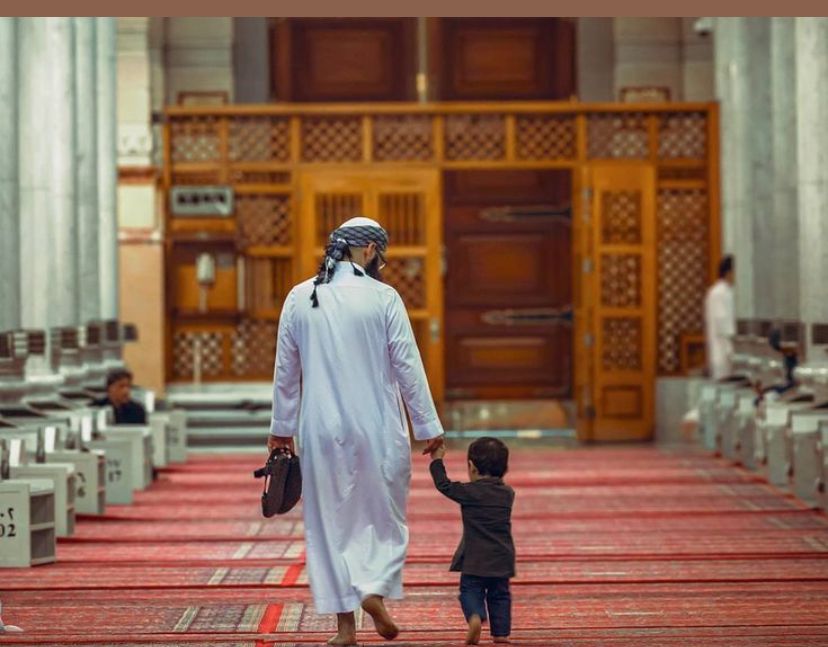
Every pilgrim eventually reaches a moment they knew would come but hoped would arrive much later.
The bags are packed.
The hotel room is emptied.
The final prayers in the Haram are completed.
The last glance at the Kaaba has been taken.
And the journey home begins.
For many pilgrims, this is one of the most emotional stages of Hajj. After days spent in worship, reflection, sacrifice, and devotion, leaving Makkah can feel difficult.
The Sacred City becomes more than a destination.
It becomes a place where hearts were softened, sins were remembered, tears were shed, and countless duas were made.
Yet every pilgrim must remember an important truth:
The journey from Makkah ends, but the journey to Allah continues.
HAJJ WAS NEVER THE DESTINATION
Many people spend years preparing for Hajj.
They save money.
They attend classes.
They study the rites.
They dream about standing before the Kaaba.
When the opportunity finally arrives, it is natural to focus on reaching Makkah.
But Hajj was never intended to be the final destination.
The real destination is Allah.
Makkah is a place that helps believers strengthen that connection.
The Kaaba points hearts toward Allah.
The rituals teach obedience to Allah.
The sacred sites remind believers of Allah.
The purpose of every rite is ultimately to bring a servant closer to their Lord.
THERE IS NO RETIREMENT FROM WORSHIP
One misunderstanding some people develop is treating Hajj as the completion of their spiritual responsibilities.
They think:
“I have performed Hajj. My major goal has been achieved.”
While Hajj is indeed one of the greatest accomplishments in a Muslim’s life, it does not mark the end of worship.
In reality, the believer’s journey continues until death.
Prayer continues.
Repentance continues.
Learning continues.
Charity continues.
Striving against sins continues.
Seeking Allah’s pleasure continues.
The pilgrim leaves Makkah, but the mission remains the same.
THE LESSONS OF HAJJ MUST TRAVEL HOME
A successful Hajj is not measured only by what happened in Mina or Arafah.
Its success is measured by what happens afterward.
The patience learned during crowded conditions should travel home.
The humility experienced in ihram should travel home.
The gratitude felt after completing the rites should travel home.
The sincerity developed during dua should travel home.
The pilgrim should not leave these lessons behind in Saudi Arabia.
They should become part of daily life.
LIFE AFTER HAJJ IS THE REAL TEST
During Hajj, worship is easier in many ways.
The environment encourages it.
The people around you encourage it.
The atmosphere encourages it.
Returning home introduces a different challenge.
Now the believer must choose worship without being surrounded by the same environment.
This is where sincerity becomes clear.
Can you continue praying on time?
Can you continue reading Qur’an regularly?
Can you continue making dua consistently?
Can you continue avoiding sins?
These questions determine whether the lessons of Hajj remain alive.
DON’T ALLOW HAJJ TO BECOME JUST A MEMORY
Many pilgrims enjoy sharing photographs and stories after returning home.
There is nothing wrong with remembering the journey.
But Hajj should become more than a collection of memories.
It should become a source of transformation.
Years from now, people may forget certain details of the trip.
They may forget hotel names, travel schedules, and specific dates.
But they should not forget the lessons.
The real value of Hajj lies in what it changes within a person.
FINAL THOUGHTS
Every pilgrim eventually leaves Makkah.
Every pilgrim eventually returns to ordinary life.
The crowds of Mina will disappear.
The moments of Arafah will become memories.
The Farewell Tawaf will be completed.
But the journey toward Allah does not end.
It continues every day through prayer, sincerity, obedience, repentance, and good character.
The most successful pilgrims understand that Hajj was never the finish line.
It was a powerful reminder of the direction they should continue traveling for the rest of their lives.
