


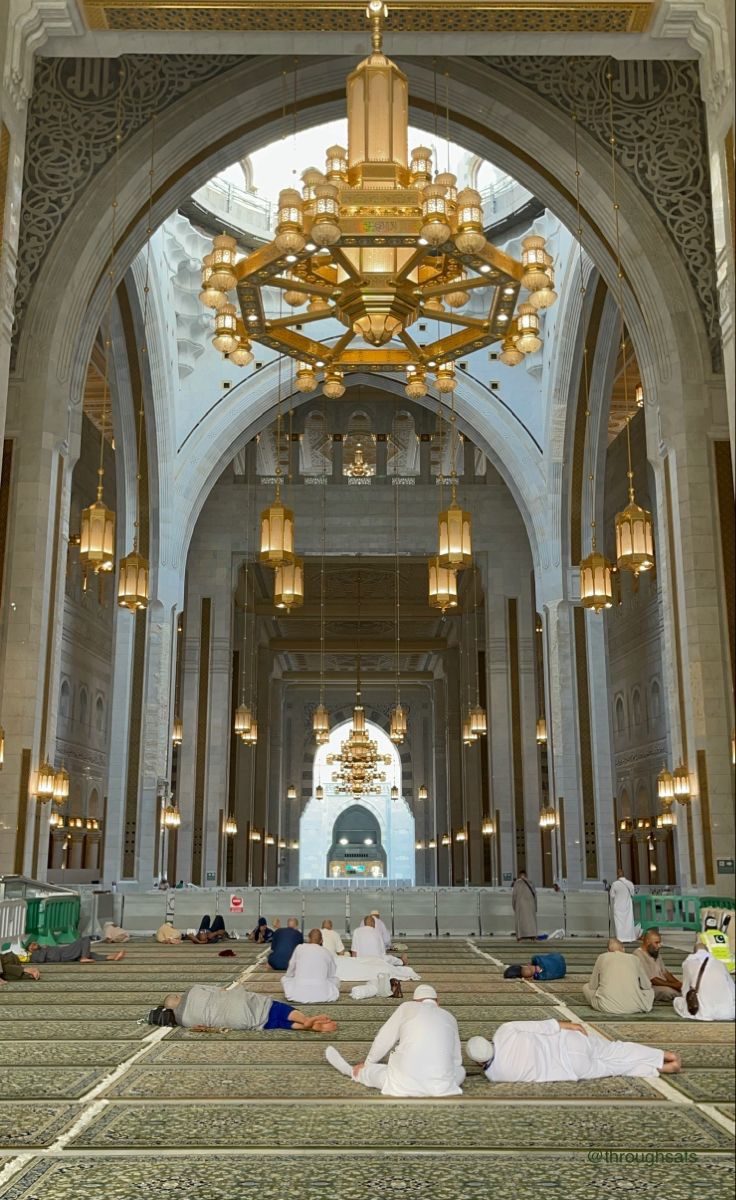
For many pilgrims, one of the greatest concerns after returning home is how to maintain the spiritual strength they experienced during Hajj. In Makkah, Mina, Muzdalifah, and Arafah, worship becomes the center of daily life. The environment encourages prayer, remembrance, reflection, and obedience to Allah.
Then the journey ends.
The pilgrim returns home.
Work resumes.
Family responsibilities return.
Business activities restart.
Daily distractions reappear.
The question then becomes: How can the spirit of Hajj be preserved long after the pilgrimage is over?
This is one of the most important questions a pilgrim can ask.
Because the true success of Hajj is not measured only by what happened during those sacred days. It is also measured by what continues afterward.
PROTECT THE FIVE DAILY PRAYERS
If there is one habit that should never weaken after Hajj, it is salah.
During Hajj, pilgrims arrange their entire day around prayer.
They walk long distances to reach the mosque.
They adjust their schedules to avoid missing congregational prayers.
They make worship a priority.
The same commitment should continue after returning home.
The five daily prayers remain the foundation of a Muslim’s relationship with Allah.
A pilgrim who protects their prayers is protecting the most important lesson of Hajj.
MAINTAIN A DAILY CONNECTION WITH THE QUR’AN
Many pilgrims spend more time with the Qur’an during Hajj than they do during ordinary days.
After returning home, it is important not to lose that connection.
Even if it is only a few pages daily, consistency matters.
The goal is not simply completing recitation.
The goal is allowing the Qur’an to continue guiding and shaping daily life.
A pilgrim who remains connected to the Qur’an keeps a part of the spiritual atmosphere of Hajj alive.
KEEP MAKING DUA
One of the most beautiful aspects of Hajj is the amount of dua pilgrims make.
In Arafah, around the Kaaba, in Mina, and throughout the journey, hands are raised constantly in supplication.
Returning home should not end this habit.
Continue asking Allah for:
- guidance
- forgiveness
- sincerity
- steadfastness
- beneficial knowledge
- righteous family
- acceptance of good deeds
The same Allah who heard your dua in Makkah hears your dua wherever you are.
DON’T RETURN TO OLD SINS
One of the greatest dangers after Hajj is returning to habits that a pilgrim had abandoned during the journey.
Every pilgrim should reflect honestly:
What sins did I leave behind during Hajj?
What habits did I avoid while in the sacred places?
What changes did I promise myself?
Protecting those improvements is part of preserving the spirit of Hajj.
The goal is progress, not perfection.
But a pilgrim should strive not to undo the growth achieved during the journey.
STAY CLOSE TO RIGHTEOUS COMPANY
The environment of Hajj surrounds pilgrims with people engaged in worship.
After returning home, surrounding yourself with positive influences becomes even more important.
Good company encourages:
- prayer
- learning
- remembrance of Allah
- accountability
- positive character
The people around us often influence the direction of our faith.
REMEMBER THE LESSONS OF ARAFAH
Many pilgrims describe Arafah as the most powerful day of their lives.
It is a day filled with humility, repentance, and hope.
Do not allow those lessons to remain only as memories.
Regularly remember:
- the duas you made
- the promises you made to Allah
- the reflections you had about your life
- the goals you set for your future
Those moments should continue guiding your actions.
LET PEOPLE SEE THE DIFFERENCE
A beneficial Hajj should produce visible improvements in character.
Family members should notice greater patience.
Friends should notice more kindness.
Colleagues should notice increased honesty.
Neighbours should notice better manners.
The impact of Hajj should appear in daily interactions.
The greatest proof of a changed heart is often changed behaviour.
FINAL THOUGHTS
The spirit of Hajj is not preserved through photographs, souvenirs, or memories alone.
It is preserved through daily actions.
Every prayer protected, every page of Qur’an read, every sincere dua made, and every act of good character helps keep the lessons of Hajj alive.
The pilgrims who benefit most from Hajj are not necessarily those who had the most emotional experiences.
They are the ones who allow the lessons of those sacred days to shape the next 365 days—and the years that follow.
