


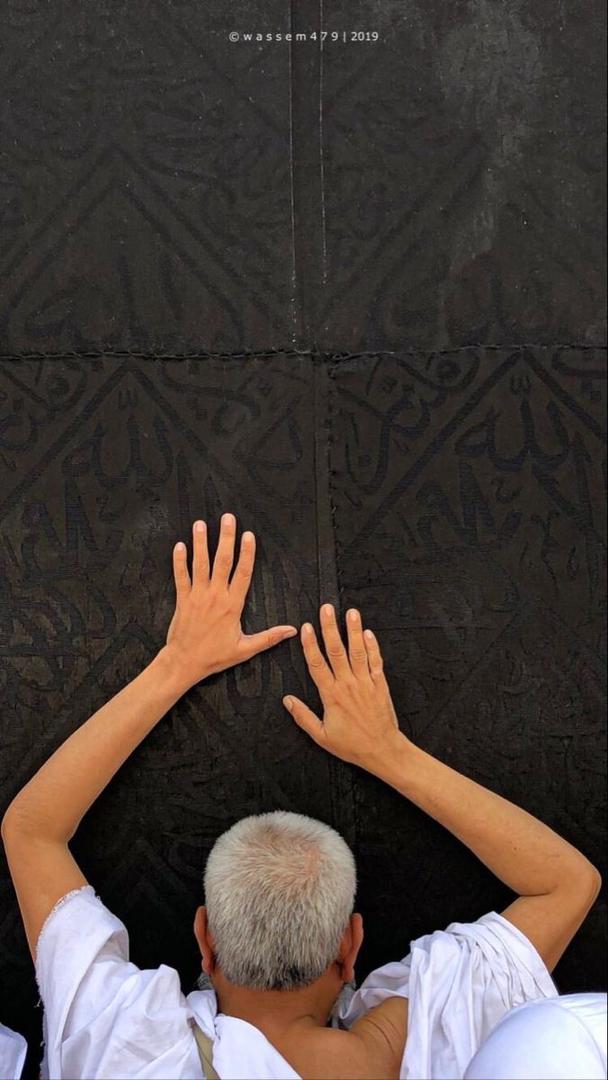
Completing Hajj is one of the greatest blessings a Muslim can experience. For many pilgrims, it is the fulfillment of a lifelong dream. Years of saving, planning, studying, and making dua finally lead to those precious days in Makkah, Mina, Muzdalifah, and Arafah.
Yet when the journey ends and pilgrims begin returning home, many find themselves reflecting on what they experienced. Along with gratitude and joy, some also carry regrets not because Hajj was unsuccessful, but because they realize there were opportunities they wish they had used better.
These reflections can be beneficial, especially for future pilgrims and for those who want to preserve the lessons of Hajj.
REGRET NUMBER ONE: “I WISH I HAD MADE MORE DUA”
This is perhaps the most common regret among pilgrims.
Before Hajj, many people prepare lists of supplications and intentions. They think about all the things they want to ask Allah for.
But once the journey begins, the days move quickly.
Pilgrims become occupied with transportation, schedules, crowds, accommodation, meals, and physical fatigue.
After returning home, many realize there were moments when they could have spent more time making sincere dua.
Particularly on the Day of Arafah, many pilgrims look back and wish they had taken greater advantage of those precious hours.
The lesson is simple: whenever Allah gives a person an opportunity to make dua, they should seize it fully.
REGRET NUMBER TWO: “I SPENT TOO MUCH TIME ON MY PHONE”
Modern technology has made it easier than ever to stay connected during Hajj.
Pilgrims communicate with family, share updates, take photographs, and record videos.
While these things are not inherently wrong, many pilgrims later admit that they spent more time behind a screen than they should have.
Some become so focused on capturing moments that they fail to fully experience them.
Others spend valuable time checking messages or social media instead of engaging in worship.
After returning home, many realize that the memories in their hearts are far more valuable than the content stored on their devices.
REGRET NUMBER THREE: “I DIDN’T SPEND ENOUGH TIME WITH THE QUR’AN”
Hajj places a pilgrim in one of the most spiritually uplifting environments on earth.
The atmosphere encourages worship, reflection, and remembrance of Allah.
Yet many pilgrims later wish they had dedicated more time to reading and reflecting upon the Qur’an.
The days of Hajj pass quickly.
Many people become occupied with movement and logistics and later realize they could have spent more quiet moments with the Book of Allah.
The Qur’an remains one of the greatest companions during any spiritual journey.
REGRET NUMBER FOUR: “I LET SMALL THINGS DISTRACT ME”
Crowds, delays, transportation issues, weather conditions, and fatigue are all part of the Hajj experience.
Sometimes pilgrims become frustrated by these temporary inconveniences.
They worry about matters that seem important at the time but later appear insignificant.
After returning home, many realize they spent valuable emotional energy on things that did not truly matter.
The memory of a delayed bus or a crowded walkway fades quickly.
The opportunity to worship in the sacred places is what remains.
This regret often teaches pilgrims the importance of perspective.
REGRET NUMBER FIVE: “I WISH I HAD APPRECIATED EVERY MOMENT MORE”
Perhaps the greatest regret of all is not fully appreciating the blessing while it was happening.
Many pilgrims assume they will have more time later.
More time to make dua.
More time to sit in the Haram.
More time to reflect.
More time to absorb the experience.
Then suddenly, Tawaf al-Wida arrives.
The bags are packed.
The departure date comes.
And the journey is over.
Many pilgrims leave realizing just how quickly those sacred days passed.
This regret reminds believers to value blessings while they are present, not only after they are gone.
A LESSON FOR EVERY PILGRIM
These regrets should not cause sadness or despair.
Instead, they should become lessons.
The fact that a pilgrim wishes they had done more often indicates that the journey affected their heart.
A person who values worship naturally wishes they had taken greater advantage of opportunities.
The important thing is to carry these lessons forward.
If Hajj taught you the importance of dua, continue making dua after Hajj.
If it taught you the value of the Qur’an, continue reading it after Hajj.
If it taught you gratitude, continue practicing gratitude after returning home.
FINAL THOUGHTS
Every pilgrim leaves Hajj with memories that will last a lifetime.
Alongside those memories often come reflections about what could have been done differently.
The five most common regrets making less dua, spending too much time on distractions, neglecting the Qur’an, focusing on small inconveniences, and failing to appreciate every moment contain valuable lessons for all believers.
The best response to these regrets is not dwelling on the past.
It is using those lessons to become a better servant of Allah in the future.
Because while the days of Hajj may end, the opportunity to grow closer to Allah never does.
