


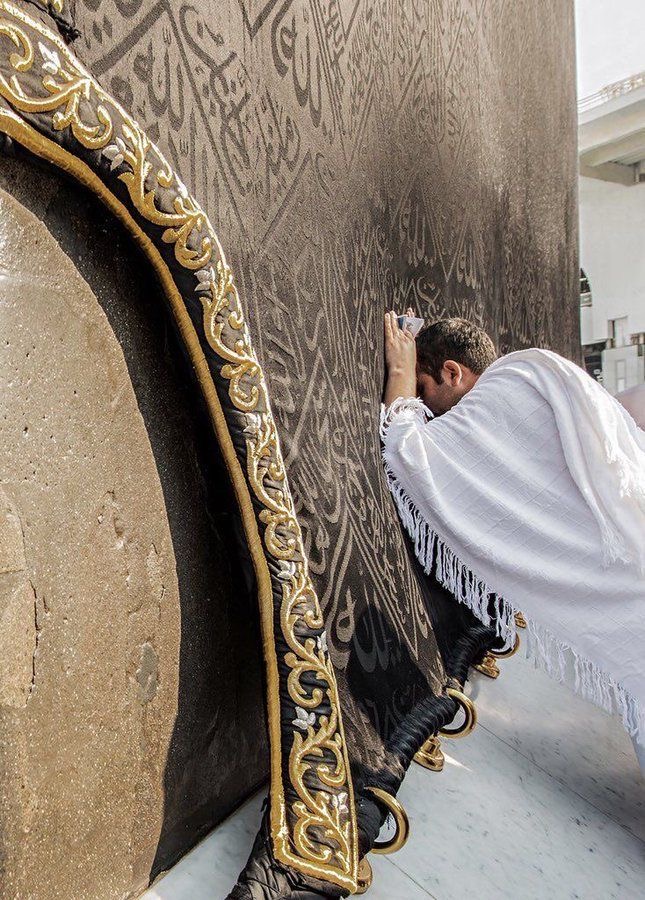
Emotional resilience is the ability to remain steady, hopeful, and functional in the face of hardship, disappointment, stress, and emotional pain. In a world filled with uncertainty, setbacks, and constant pressure, emotional resilience has become one of the most essential traits for personal and spiritual success. Islam does not merely encourage resilience it provides a complete framework for developing it through sabr and tawakkul.
Sabr is often translated simply as patience, but its true meaning is deeper. It is the disciplined ability to remain steadfast in obedience, restrained from sin, and composed during hardship. Sabr is emotional strength in action. It is not passive suffering or emotional numbness; rather, it is controlled endurance with faith.
Tawakkul, meanwhile, is reliance upon Allah after taking the necessary means. It is the believer’s recognition that outcomes are ultimately in Allah’s hands. Together, sabr and tawakkul create a powerful emotional foundation: patience in enduring the process and trust in Allah regarding the result.
When hardship strikes, many people break emotionally because they rely entirely on their own strength. They feel every burden rests solely upon their shoulders. But the believer understands that while effort is required, ultimate control belongs to Allah. This perspective lightens the emotional burden and prevents despair.
Sabr teaches the believer that not every discomfort must be escaped immediately. Some pain must be endured with dignity. Some tests are meant to refine character, elevate rank, and purify sins. Emotional resilience grows when a person stops viewing every hardship as meaningless suffering and begins seeing trials as opportunities for spiritual growth.
Tawakkul protects the heart from excessive anxiety over outcomes. A believer does his best, plans wisely, and works hard but does not emotionally collapse when results differ from expectations. Why? Because he knows Allah’s wisdom surpasses his own.
The lives of the Prophets provide the greatest examples of resilience. Prophet Ayyub endured illness and loss with remarkable patience. Prophet Yaqub faced years of grief over Yusuf yet never lost hope in Allah. Prophet Muhammad ﷺ remained steadfast through rejection, persecution, betrayal, and immense personal loss. Their stories show that resilience is not the absence of pain it is remaining faithful despite pain.
Building resilience requires practice. It is developed every time a believer chooses patience over panic, trust over despair, gratitude over complaint, and perseverance over surrender.
Resilient believers are not emotionless; they simply refuse to let hardship destroy their faith, purpose, or hope.
In both dunya and akhirah, those who endure with sabr and rely upon Allah with tawakkul are among the most successful. They may bend under pressure, but they do not break.
May Allah strengthen our hearts with sabr, fill our souls with tawakkul, and make us among those who remain steadfast through every trial. Ameen.
360ISLAM
