


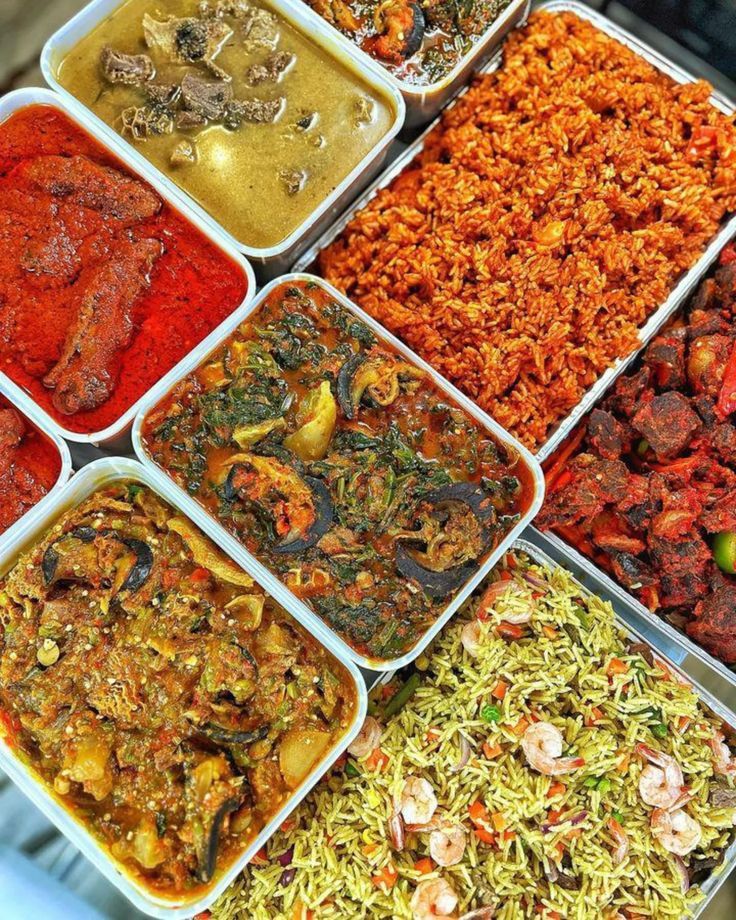
Iftar is a sacred moment. The duʿa before breaking the fast is accepted. The hunger is real. The gratitude is raw. Then the samosas attack.
Discipline does not end at Maghrib. In many ways, it begins there.
After 12–16 hours without food, your body is in a sensitive state. Blood sugar is low. Insulin (the hormone that regulates sugar) is ready to respond. If you flood your system with refined sugar and fried food, you get a rapid spike… followed by a crash. That crash is why some people feel sleepy, heavy, or bloated before Taraweeh even starts.
The Sunnah Way to Break the Fast
The Prophet ﷺ broke his fast with dates and water. Dates provide natural sugars, fiber, and minerals. Water rehydrates quickly. It’s physiologically smart and spiritually grounded.
So begin light.
1–3 dates + water.
Pause. Pray Maghrib.
Then eat your main meal calmly.
That pause matters. It prevents overeating. It allows your brain time to register that food has arrived.
Build a Balanced Plate
Think in simple components:
Protein – chicken, fish, beans, lentils, eggs.
Complex carbs – brown rice, whole wheat, sweet potatoes.
Vegetables – cooked or raw, for fiber and micronutrients.
Healthy fats – olive oil, avocado, nuts.
Protein repairs tissue and stabilizes blood sugar. Fiber improves digestion and fullness. Complex carbs release energy gradually. This combination keeps you steady for Taraweeh and beyond.
What to Reduce
Deep-fried foods every night.
Sugary drinks.
Excess desserts immediately after the main meal.
Overeating “because I fasted.”
Fasting is not a compensation plan. It is a discipline. If the day is restraint and the night is indulgence, the purpose is diluted.
There’s something fascinating here. When you fast, levels of a hormone called ghrelin (the hunger hormone) fluctuate. But ghrelin is also influenced by habit. If you train yourself to overeat at Iftar daily, your body adapts to expect excess. Ramadan can either retrain your appetite or reinforce it.
Hydration Matters
Drink water steadily between Maghrib and Fajr. Not just at Iftar. Dehydration is one of the biggest reasons for fatigue and headaches during Ramadan.
In cities like Makkah during Ramadan, you’ll see people breaking their fast lightly, then standing in long Taraweeh prayers with focus. That energy is not random. It is structured eating.
Practical Balanced Iftar Example
Break fast: dates + water.
Main meal: grilled chicken, brown rice, mixed vegetables, small salad.
After Taraweeh: fruit or yogurt if still hungry.
Simple. Nourishing. Sustainable.
Ramadan is a month of spiritual elevation, but Islam never divorces the body from the soul. A heavy body makes worship harder. A disciplined plate makes worship easier.
Eat to serve your ibadah.
Not to celebrate your hunger.
The goal is not fullness.
The goal is strength strength to stand, to recite, to reflect, and to transform.
