


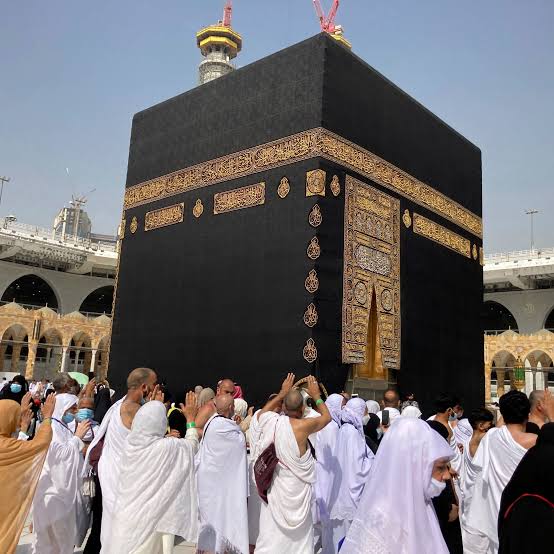
Umrah is one of the beautiful acts of worship in Islam, offering Muslims an opportunity to draw closer to Allah, seek forgiveness, renew their faith, and strengthen their relationship with their Creator. For every pilgrim preparing to travel to the sacred cities of Makkah and Madinah, spiritual preparation is just as important as arranging travel documents, accommodation, and other necessities.
Umrah is not merely a journey of the body; it is a journey of the heart towards Allah.
UNDERSTANDING THE SIGNIFICANCE OF UMRAH
Umrah is an act of worship performed at the Sacred House of Allah in Makkah. It involves entering the state of Ihram, performing Tawaf around the Ka’bah, walking between Safa and Marwah, and shaving or trimming the hair to conclude the pilgrimage.
Allah says in the Qur’an:
“And complete the Hajj and Umrah for Allah.” (Qur’an 2:196)
This verse reminds Muslims that the pilgrimage must be performed sincerely for the sake of Allah, following the guidance of the Qur’an and the Sunnah of Prophet Muhammad (peace and blessings be upon him).
THE VIRTUES AND REWARDS OF UMRAH
One of the great virtues of Umrah is that it provides an opportunity for the expiation of sins. The Prophet Muhammad (peace and blessings be upon him) said:
“From one Umrah to another is expiation for what comes between them.” (Sahih al-Bukhari 1773; Sahih Muslim 1349)
This hadith encourages pilgrims to approach Umrah with sincere repentance, regret for past sins, and a firm determination to live a more righteous life.
The Prophet (peace and blessings be upon him) also encouraged Muslims to perform Hajj and Umrah, explaining that these acts of worship are means of removing sins and receiving Allah’s blessings. (Jami’ at-Tirmidhi 810; Sunan an-Nasa’i 2631)
Pilgrims should approach this opportunity with gratitude, humility, and hope in Allah’s mercy, remembering that the ultimate goal is to earn His pleasure and forgiveness.
THE IMPORTANCE OF SINCERE INTENTION
Before embarking on the journey, every pilgrim should examine their intention. Are we travelling to seek Allah’s pleasure, or are we primarily concerned with social recognition, photographs, shopping, and personal enjoyment?
The Prophet Muhammad (peace and blessings be upon him) said:
“Actions are only by intentions.” (Sahih al-Bukhari 1; Sahih Muslim 1907)
Sincerity is essential in every act of worship. A pilgrim should intend to worship Allah, seek forgiveness, strengthen their faith, and return home with a renewed commitment to Islam.
The journey should not be an occasion for showing off or competing with others. Instead, it should be an opportunity to humble ourselves before Allah and acknowledge our dependence upon Him.
REPENTANCE: PREPARING THE HEART BEFORE DEPARTURE
Spiritual preparation begins before arriving in Makkah. Pilgrims should take time to reflect on their lives, seek forgiveness for their shortcomings, and sincerely repent for their sins.
Sincere repentance involves abandoning the sin, regretting having committed it, and resolving not to return to it. Where another person’s rights have been violated, the pilgrim should also make efforts to restore those rights or seek forgiveness where appropriate.
Allah says:
“Indeed, Allah loves those who are constantly repentant and loves those who purify themselves.” (Qur’an 2:222)
No Muslim should despair of Allah’s mercy. Rather, the opportunity to perform Umrah should inspire a fresh beginning, a purified heart, and a stronger determination to obey Allah.
PREPARING THE HEART, NOT JUST THE LUGGAGE
Pilgrims often spend considerable time preparing their luggage, travel documents, clothing, and other necessities. While these preparations are important, preparing the heart deserves equal attention.
Before departure, Muslims should strive to settle outstanding debts, return entrusted property, reconcile with family members where possible, and resolve disputes without compromising justice.
They should also learn the correct procedures for performing Umrah, including the requirements of Ihram, the rites of Tawaf and Sa’i, and the rulings that apply throughout the pilgrimage.
Knowledge helps pilgrims worship Allah with confidence and avoid common mistakes.
PATIENCE AND GOOD CHARACTER DURING UMRAH
The Sacred Mosque receives pilgrims from different countries, cultures, and backgrounds. Crowds, long queues, tiredness, and delays can sometimes test a person’s patience.
These challenges provide opportunities to demonstrate the excellent character encouraged by Islam.
Allah says:
“Indeed, Allah is with the patient.” (Qur’an 2:153)
Pilgrims should avoid arguments, insults, pushing, and behaviour that harms others. They should respect the elderly, assist people with disabilities, follow the instructions of authorised personnel, and show kindness to fellow Muslims.
Reaching the Black Stone should never become an excuse to injure another pilgrim. Worship must be accompanied by consideration for the safety and dignity of others.
A successful pilgrimage is not measured only by the rites performed, but also by the sincerity, patience, and good character displayed throughout the journey.
MAKING THE MOST OF YOUR TIME IN MAKKAH AND MADINAH
Time spent in the holy cities should be used wisely. Pilgrims can devote themselves to the five daily prayers, Qur’an recitation, remembrance of Allah, charity, and sincere supplication.
They should pray for forgiveness, guidance, good health, lawful provision, their families, their parents, the Muslim Ummah, and a good ending to their lives.
One beautiful supplication taught in the Qur’an is:
رَبَّنَا آتِنَا فِي الدُّنْيَا حَسَنَةً وَفِي الْآخِرَةِ حَسَنَةً وَقِنَا عَذَابَ النَّارِ
Rabbana atina fid-dunya hasanatan wa fil-akhirati hasanatan wa qina ‘adhaban-nar.
“Our Lord, give us good in this world and good in the Hereafter, and protect us from the punishment of the Fire.” (Qur’an 2:201)
Pilgrims should remember that they may make personal supplications in their own languages. There is no requirement to memorise a separate prescribed supplication for every circuit of Tawaf.
HOW CAN WE MAINTAIN THE BENEFITS OF UMRAH AFTER RETURNING HOME?
The impact of Umrah should continue long after the pilgrim leaves Makkah. Returning home provides an opportunity to demonstrate the positive changes inspired by the journey.
Pilgrims should strive to maintain their daily prayers, avoid sinful habits, treat their families with kindness, fulfil their responsibilities, and remain committed to the teachings of Islam.
Although no one can claim with certainty that their worship has been accepted, Muslims should remain hopeful in Allah’s mercy and seek to demonstrate the fruits of sincere worship through improved faith and conduct.
The real value of the journey becomes evident when its lessons continue to shape our lives.
CONCLUSION
Umrah is a precious opportunity to renew our faith, seek forgiveness, and strengthen our relationship with Allah. Every pilgrim should approach the journey with sincere intention, a repentant heart, sound Islamic knowledge, patience, and respect for fellow worshippers.
Let us remember that the purpose of visiting the House of Allah is not simply to complete a journey, but to worship Him sincerely and return as better Muslims.
May Allah grant all pilgrims a safe journey, facilitate the performance of their Umrah, forgive their sins, accept their worship, and make them steadfast upon the straight path.
Amin, ya Rabbal-‘alamin.
