
GRAND CHIEF IMAM OF OYO LAND ADVOCATES UNIFIED MUSLIM LEADERSHIP, CALLS FOR INSTITUTIONALISATION OF A SINGLE VOICE UNDER THE AARE MUSULUMI OF YORUBALAND, EDO AND DELTA

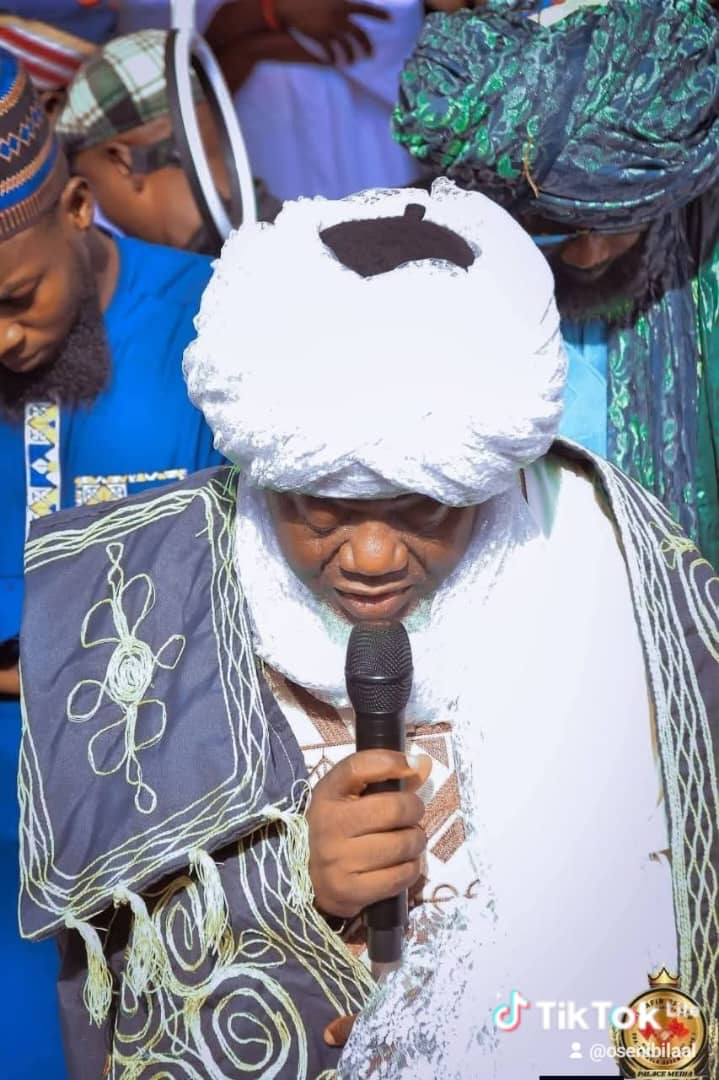
The Office of the Grand Chief Imam of Oyo Land, Sheikh Al-Imam Barrister Bilal Husayn Akinola Akeugberu, has called for the institutionalisation of a unified and coordinated platform through which the collective interests of the Muslim Ummah in Yorubaland, Edo and Delta States can be represented with dignity, wisdom and one united voice.
The Grand Chief Imam made this passionate appeal against the backdrop of increasing public disagreements, divergent commentaries and avoidable controversies capable of weakening the strength, credibility and cohesion of the Muslim Ummah at a time when greater unity has become more imperative than ever.
According to the revered Islamic leader, Islam places enormous emphasis on unity, consultation (Shūrā), mutual respect and collective responsibility. He stressed that while diversity of opinions among scholars is recognised within Islam, public engagement on matters affecting the welfare of Muslims should reflect harmony, coordination and a common purpose.
The Grand Chief Imam therefore proposed that all recognised Islamic organisations, societies, councils, leagues and advocacy groups should continue to carry out their various religious, educational and humanitarian responsibilities while collectively recognising the Office of the Aare Musulumi of Yorubaland, Edo and Delta, presently occupied by Alhaji Dahood Akinola Makanjuola (Damak) as the central coordinating platform for official engagement with governments, public institutions, corporate organisations and other strategic stakeholders on matters affecting the Muslim Ummah.
He noted that the Office of the Aare Musulumi occupies a unique and distinguished position within the Islamic community, having traditionally been conferred upon individuals of proven integrity, broad acceptability and unquestionable commitment to Islam, free from sectarian, ideological or partisan loyalties. The office derives additional moral authority from the collective endorsement and turbaning by the Grand Chief Imams across Yorubaland.
The Grand Chief Imam further clarified that this proposal does not seek to diminish the independence or relevance of any Islamic organisation. Rather, it is intended to strengthen collective advocacy by providing a common platform through which the Muslim Ummah can speak with one voice on issues of public concern while preserving the autonomy of every organisation in the discharge of its respective Da’wah, educational and community development programmes.
He emphasised that the coordinating role of the Aare Musulumi should remain strictly representative and administrative. It should neither interfere with nor assume the exclusive responsibilities of Islamic scholars and jurists on matters relating to Aqeedah (creed), Fiqh (Islamic jurisprudence), Fatwa (legal opinions) and other doctrinal issues, which remain the sacred responsibility of the Grand Chief Imams, respected scholars and qualified Islamic authorities.
Reflecting on history, the Grand Chief Imam recalled the exemplary leadership demonstrated during the tenure of the late Aare Arisekola Alao, whose office successfully united prominent scholars, Islamic organisations, professionals and notable personalities behind common causes that advanced the interests of Muslims throughout Yorubaland.
“We have witnessed before how unity of purpose elevated the strength and influence of the Muslim Ummah. There is no reason why we cannot replicate that noble example in our own time. Our differences should never become obstacles to our shared mission of promoting Islam and protecting the legitimate rights and interests of Muslims.”
The Grand Chief Imam further observed that leadership and rulership are distinct responsibilities, each requiring different competencies and areas of focus. While the learned scholars remain the custodians of Islamic knowledge and spiritual guidance, the Office of the Aare Musulumi should serve as the rallying point for strategic consultations, policy advocacy and institutional representation on behalf of the Ummah.
He therefore appealed to all Grand Chief Imams, Islamic scholars, leaders of Muslim organisations, professionals, youth groups and every stakeholder within the Muslim community to embrace dialogue, sincerity, mutual respect and collective responsibility in order to strengthen the bonds of brotherhood and preserve the unity of the Ummah.
The Grand Chief Imam concluded by praying that Almighty Allah (SWT) purifies the intentions of all Muslim leaders, removes every seed of discord from the Ummah, grants wisdom to those entrusted with leadership responsibilities and unites the hearts of Muslims upon truth, righteousness and mutual compassion.
Allah says in the Glorious Qur’an:
“And hold firmly to the rope of Allah all together and do not become divided.” (Qur’an 3:103).
May Allah (SWT) unite the Muslim Ummah, strengthen its leadership, bless its institutions and grant us the wisdom to always place the interest of Islam above personal, organisational and ideological differences. Ameen.
