


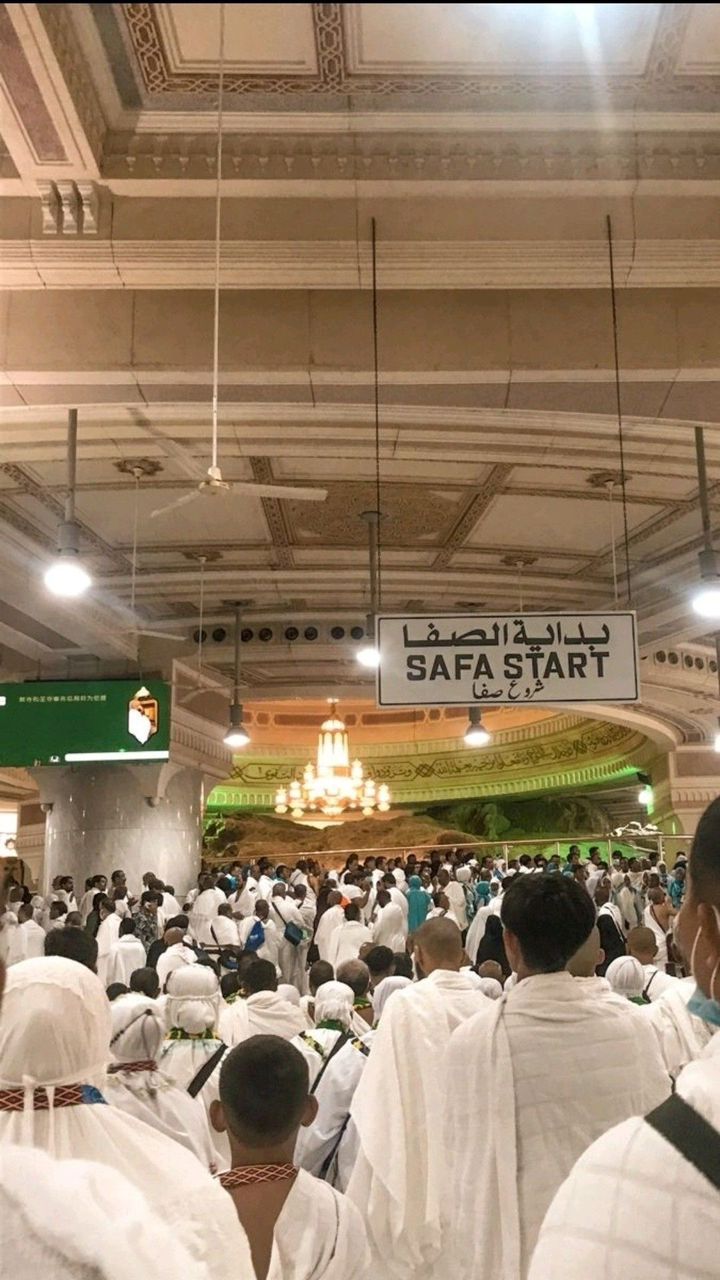
Among the rites of Hajj and Umrah, few acts carry as much emotion, symbolism, and spiritual depth as Sa’i, the walking between the two blessed hills of Safa and Marwah. To many first-time pilgrims, it may appear to be a simple journey from one point to another. In reality, Sa’i is a living reminder of trust in Allah, sacrifice, motherhood, resilience, and divine mercy.
One common question pilgrims ask is: Why does Sa’i begin at Safa and not Marwah?
The answer is rooted in revelation, the Sunnah of the Prophet ﷺ, and powerful spiritual lessons that every pilgrim should reflect upon.
What Is Sa’i?
Sa’i refers to traveling between Safa and Marwah seven times after Tawaf during Hajj or Umrah. It commemorates the struggle of Hajar, the noble wife of Prophet Ibrahim and mother of Prophet Ismail.
When Hajar was left in the barren valley of Makkah with her infant son by Allah’s command, food and water eventually ran out. Faced with desperation, she did not sit still in hopelessness. She moved, searched, climbed, looked, and ran between Safa and Marwah seeking help and water for her child.
Allah rewarded her effort with the miracle of Zamzam, a blessed spring that continues to serve millions today.
Her struggle became an eternal act of worship for the Ummah.
Why Does Sa’i Begin at Safa?
1. Because Allah Mentioned Safa First
In the Qur’an, Allah mentions Safa before Marwah. This order is meaningful and scholars note that the Prophet ﷺ began where Allah began.
This teaches believers to respect divine guidance even in details.
2. Because the Prophet ﷺ Began at Safa
The rituals of Hajj and Umrah are not invented by personal preference. They are acts of worship based on revelation and Prophetic example.
The Prophet ﷺ started Sa’i at Safa, making it the established Sunnah for the Ummah.
3. Because Worship Is Built on Following, Not Improvising
Many acts in Islam carry wisdom that may be obvious or hidden. Whether fully understood or not, the believer submits to Allah and follows the model of the Messenger ﷺ.
Starting at Safa reflects this principle of obedience.
How Sa’i Is Counted Correctly
Beginning at Safa also provides the correct sequence for the seven rounds:
* Safa to Marwah = 1
* Marwah to Safa = 2
* Safa to Marwah = 3
* Marwah to Safa = 4
* Safa to Marwah = 5
* Marwah to Safa = 6
* Safa to Marwah = 7
This means Sa’i ends at Marwah.
Many pilgrims become confused and miscount, especially in crowds. Understanding the sequence before starting helps avoid stress.
What Happens at Safa First?
When pilgrims arrive at Safa, they begin from there and face the direction of the Kaaba if possible.
It is a moment to pause, remember Allah, praise Him, raise the hands in du’a, and begin the rite with humility.
Rather than rushing immediately, many experienced pilgrims use the opening moment to renew intention and reflect on Hajar’s story.
The Spiritual Lessons of Beginning at Safa
1. Relief Often Begins With Movement
Hajar did not know where water would come from, but she moved in trust. Allah created relief after effort.
Pilgrims learn that hardship should not paralyze them. Action with tawakkul brings openings.
2. Mothers Hold a Noble Rank
Sa’i immortalizes the sacrifice of a mother. Every pilgrim follows the footsteps of Hajar, showing the honor Islam gives to sincere motherhood and struggle.
3. Allah Sees Hidden Efforts
Hajar was alone in a barren valley, unseen by people. Yet Allah saw every step and made her legacy permanent.
No sincere effort is lost with Allah.
4. Worship Is Both Body and Heart
Sa’i is walking with the feet, but its true meaning is movement of the heart toward Allah.
5. Begin Correctly to Finish Correctly
Starting at Safa is a reminder that right beginnings matter in worship, business, family life, and personal reform.
Common Mistakes Pilgrims Make During Sa’i
1. Starting at Marwah by mistake
Some begin from the wrong side due to confusion or crowd flow.
2. Miscounting rounds
Some count one full return trip as one lap instead of two separate laps.
3. Turning it into a sprint
Sa’i is worship, not athletic competition.
4. Ignoring the meaning
Some complete it mechanically without reflection.
5. Excessive phone distractions
Videos, calls, and chatting can remove spiritual focus.
6. Neglecting companions
Families sometimes separate in crowds without a plan.
Practical Tips for Pilgrims
1. Learn the route before starting.
2. Keep track of laps calmly.
3. Stay with elderly relatives or assign meeting points.
4. Make regular du’a while walking.
5. Pace yourself, especially if tired.
6. Use wheelchairs or support services if needed.
7. Stay hydrated after Tawaf.
For Elderly Pilgrims
Sa’i can be physically demanding, especially after Tawaf. Elderly pilgrims should move at a sustainable pace, rest when needed, and seek assistance where available. Reward is based on sincerity, not speed.
For Women Pilgrims
The story of Hajar is central to Sa’i. Women should feel honored that one of the most visible rites of Islam is directly tied to the courage, trust, and endurance of a righteous woman.
For Nigerian and International Pilgrims
Large groups often travel together. Organize before starting Sa’i:
* Confirm where to meet if separated
* Keep identification with you
* Carry light essentials only
* Help slower members of the group
A Deeper Reflection
Every believer has a “Safa to Marwah” season in life: times of uncertainty, repeated effort, and unanswered questions. Sa’i teaches that the answer may come after the seventh trip, not the first.
Keep walking. Keep trusting. Keep asking Allah.
For Your Pilgrims
When you begin at Safa, do not think you are only starting a ritual. You are entering a lesson in trust, patience, family sacrifice, and divine mercy that has lasted thousands of years.
