


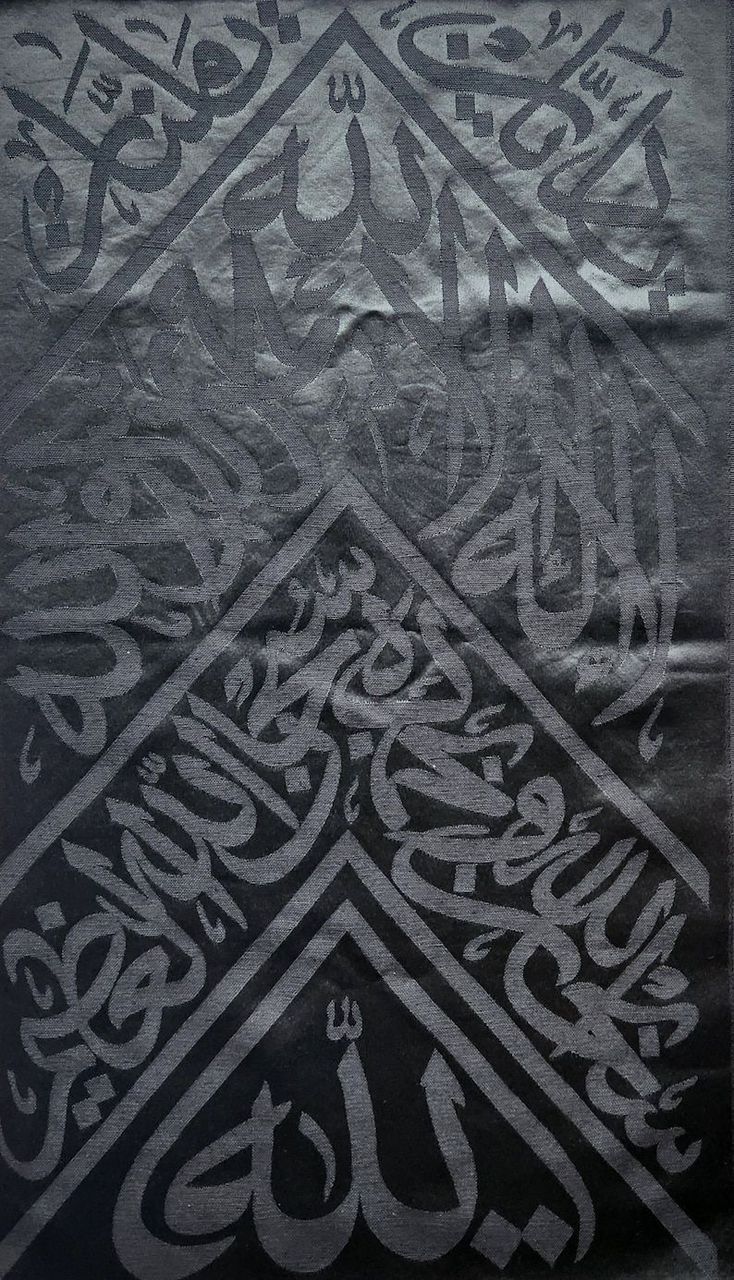
The Kiswa of the Kaaba is one of the most recognized symbols of the sacred precinct in Makkah. Every pilgrim who sees the Kaaba is immediately struck by its majestic black covering adorned with beautiful gold-embroidered Qur’anic calligraphy.
For many Muslims, seeing the Kiswa for the first time is deeply emotional. It represents reverence, beauty, continuity, and honor given to the House of Allah.
Yet many pilgrims know little about its history, purpose, and traditions.
What Is the Kiswa?
The Kiswa is the cloth covering placed over the Kaaba. It is specially produced and renewed according to established custodial practice in Saudi Arabia.
It is not merely decoration. It is an honored covering that reflects the dignity of the Sacred House.
Traditionally, it is black with embroidered Qur’anic verses and Islamic inscriptions woven in gold-colored and silver-colored threadwork.
Why Is the Kiswa Important?
1. Symbol of Honor
The Kaaba is the most sacred structure in Islam, and covering it beautifully reflects respect and care.
2. Historical Continuity
The Kaaba has been covered in different materials and colors throughout history under various Muslim rulers.
3. Emotional Impact on Pilgrims
For many believers, the sight of the Kiswa marks the fulfillment of a lifelong dream.
4. Reminder of Sacred Space
The Kiswa distinguishes the Kaaba visually and spiritually at the center of Masjid al-Haram.
What Is Written on the Kiswa?
The Kiswa contains selected Qur’anic verses, declarations of tawheed, and phrases glorifying Allah, executed in elegant Arabic calligraphy.
Many pilgrims admire the beauty of the script even if they cannot read Arabic.
When Is the Kiswa Changed?
The Kiswa is traditionally replaced periodically under official arrangements, with notable attention around the Hajj season and other custodial schedules.
The process is handled with care and expertise.
Why Is the Lower Part Sometimes Raised?
Before Hajj seasons with intense crowds, the lower portion may be raised and protected to preserve the cloth from damage caused by heavy touching and crowd pressure.
Many first-time pilgrims see this and become curious, but it is a practical preservation measure.
Common Mistakes Pilgrims Make Regarding the Kiswa
1. Believing it has independent power
The Kiswa is honored because it covers the Kaaba. Blessing comes from Allah, not from fabric itself.
2. Pulling or damaging it
Some people tug the cloth or try to cut pieces. This is disrespectful and prohibited.
3. Excessive crowding to touch it
Touching the Kaaba area is not worth harming others.
4. Becoming distracted by appearance alone
The true purpose of visiting the Haram is worship, not sightseeing.
Can Pilgrims Touch the Kiswa?
In some crowd conditions, pilgrims near the Kaaba may touch the outer covering or wall area. However, it is not required, and one should never push others to do so.
A calm Tawaf with sincerity is better than dangerous competition for proximity.
Lessons From the Kiswa
1. Islam values beauty with dignity.
2. Sacred things should be honored respectfully.
3. Outer beauty should remind us to beautify the heart.
4. The center of Muslim life remains tawheed and worship.
For Your Pilgrims
When you see the Kiswa, let it remind you that hearts also need covering: covering from sins through repentance, covering from pride through humility, and covering from heedlessness through remembrance of Allah.
