


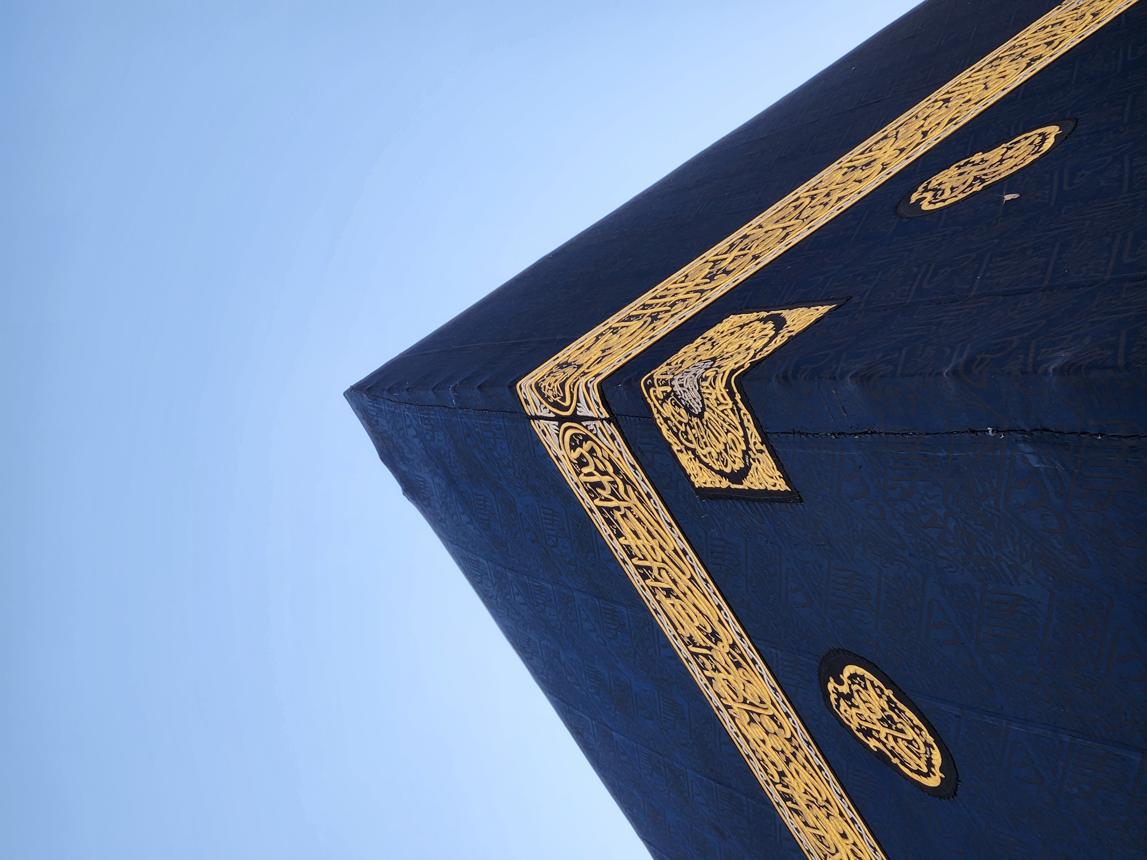
Hajj is one of the greatest acts of worship in Islam. It is the fifth pillar, an obligation upon every Muslim who is physically and financially able, at least once in a lifetime.
Allah says in the Qur’an:
“And [due] to Allah from the people is a pilgrimage to the House for whoever is able to find thereto a way.” (Surah Aal ‘Imran 3:97)
This guide is designed to walk you through every stage of Hajj in a simple, clear, and practical way, especially if this is your first time.
BEFORE HAJJ: PREPARING YOUR HEART
Before you even step on the plane, understand this: Hajj is not tourism. It is a journey of repentance, humility, and complete submission to Allah.
Make sure you make sincere tawbah, clear your debts if possible, seek forgiveness from people, learn the basics of Hajj rites, and make your intention purely for Allah.
ENTERING THE STATE OF IHRAM
Before reaching the Miqat, you must enter into Ihram.
For men, wear two white unstitched cloths and do not cover the head. For women, wear modest Islamic clothing without niqab or gloves.
Make your intention by saying: “Labbayka Allahumma Hajj.”
Then begin reciting the Talbiyah: “Labbayka Allahumma labbayk, labbayka la sharika laka labbayk, innal hamda wan ni‘mata laka wal mulk, la sharika lak.”
Continue reciting this frequently until the stoning of Jamrah.
8TH DHUL HIJJAH (YAWM AT-TARWIYAH)
You travel to Mina on this day.
Pray Dhuhr, Asr, Maghrib, Isha, and Fajr there. Shorten the prayers but do not combine them. Spend the night in worship and rest.
9TH DHUL HIJJAH (DAY OF ARAFAH)
This is the most important day of Hajj. The Prophet ﷺ said: “Hajj is Arafah.”
Stay in Arafah from noon until sunset. Pray Dhuhr and Asr combined. Spend your time making du’a, remembering Allah, and seeking forgiveness. This is the moment where sins are wiped away.
NIGHT AT MUZDALIFAH
After sunset, leave Arafah and go to Muzdalifah.
Pray Maghrib and Isha combined, sleep under the open sky, and collect 49 or 70 pebbles for the stoning ritual.
10TH DHUL HIJJAH (EID DAY)
This is the busiest day of Hajj.
You will stone Jamrah al-Aqabah with 7 pebbles, perform the animal sacrifice, shave or trim your hair, then go to Makkah for Tawaf al-Ifadah and Sa’i if required.
After completing these, most restrictions of Ihram are lifted.
11TH–13TH DHUL HIJJAH (DAYS OF TASHREEQ)
You return to Mina and spend these days there.
Each day, stone all three Jamarat: the small, middle, and large, with 7 pebbles each.
Use this time for dhikr, Qur’an, and reflection. You may leave on the 12th or stay until the 13th.
TAWAF AL-WADA (FAREWELL TAWAF)
Before leaving Makkah, perform the farewell Tawaf. This is your final act of Hajj. No Sa’i is required.
COMMON MISTAKES TO AVOID
Avoid treating Hajj like a social trip. Do not waste time on your phone. Stay away from arguments and impatience. Make sure you understand the rites properly and always remember your purpose is to seek Allah’s forgiveness.
FINAL ADVICE
Hajj is not about perfection, it is about sincerity.
You will experience difficulty, but every step and every effort is rewarded by Allah.
The Prophet ﷺ said: “Whoever performs Hajj and does not commit sin or wrongdoing will return like the day he was born.”
May Allah accept your Hajj, forgive your sins, and make it a turning point in your life. Ameen.
Say next and I’ll continue with the next article.
