
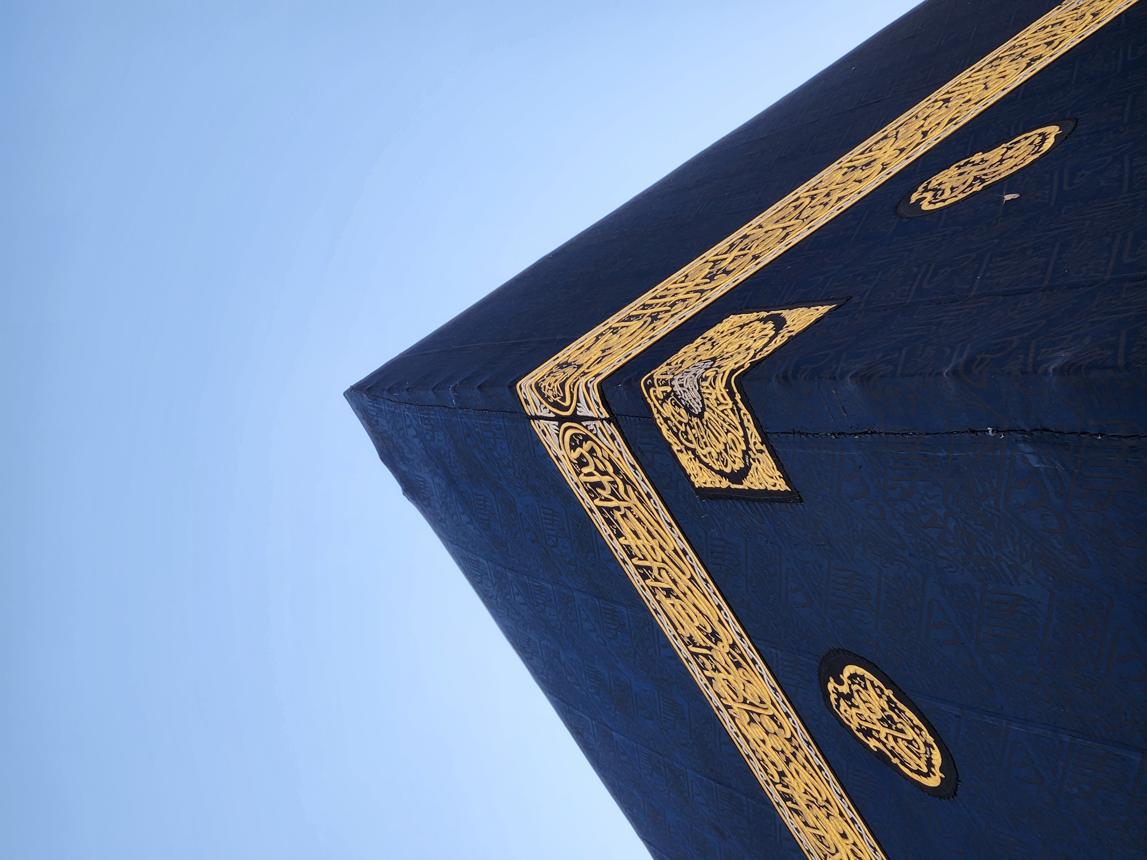
The sacred atmosphere surrounding Masjid al-Haram has entered a significant phase as the Kiswa the black, intricately embroidered cloth covering the Kaaba was officially lifted at exactly 1:00 AM on April 18, 2026. This annual procedure marks the formal beginning of preparations for Hajj 1447 AH, a season that will soon welcome millions of pilgrims from across the world.
WHAT IS THE KISWA AND WHY IS IT IMPORTANT?
The Kiswa is not just a covering; it is a powerful symbol of reverence and devotion. Made from high-quality black silk and adorned with verses from the Qur’an embroidered in gold and silver threads, it represents the honor and sanctity of the Kaaba the most sacred site in Islam.
Each year, a new Kiswa is produced and ceremonially placed over the Kaaba. Its craftsmanship reflects both spiritual significance and artistic excellence, making it one of the most revered textiles in the Muslim world.
WHY THE KISWA IS LIFTED DURING HAJJ
The lifting of the Kiswa is a carefully planned and necessary measure rather than a purely symbolic act.
During Hajj, the number of pilgrims performing Tawaf circling the Kaaba reaches extraordinary levels. With millions moving in close proximity, the lower portion of the Kiswa is highly vulnerable to:
* Physical wear and tear
* Accidental pulling or damage
* Dirt and environmental impact
To prevent this, authorities raise the lower section of the Kiswa several meters above ground level. A plain white cloth is then placed around the exposed lower structure of the Kaaba, ensuring protection while maintaining dignity and cleanliness.
This process preserves the Kiswa in its finest condition throughout one of the busiest periods in the Islamic calendar.
TIMING AND GLOBAL COORDINATION
The lifting of the Kiswa on April 18 was not random it was strategically aligned with the opening of the international Hajj arrival window.
On the same day, the first batches of pilgrims began arriving in Saudi Arabia from countries such as Pakistan, Bangladesh, India, and Indonesia. This coordination highlights the level of planning involved in managing Hajj, where logistics, safety, and spiritual experience must all align seamlessly.
Saudi authorities use this period to finalize:
* Crowd management systems
* Pilgrim guidance services
* Health and safety protocols
* Transportation and accommodation logistics
A SIGN THAT HAJJ HAS BEGUN
For many Muslims around the world, the lifting of the Kiswa is more than just a maintenance procedure it is a spiritual signal. It marks the transition into the sacred days of Hajj, reminding believers that the season of forgiveness, sacrifice, and renewal is approaching.
For those intending to perform Hajj this year, this moment serves as a wake-up call to intensify preparation:
* Strengthen your intention (niyyah)
* Increase acts of worship and dhikr
* Learn the rites of Hajj properly
* Prepare physically and mentally for the journey
WHAT HAPPENS AFTER HAJJ?
The Kiswa will remain lifted throughout the Hajj season to ensure its protection. Once the pilgrimage concludes and the crowds reduce, it is lowered back to its original position, restoring the Kaaba to its familiar and complete appearance.
3SIXTYISLAM HAJJ & UMRAH SERVICES
Planning your journey to the House of Allah?
3SixtyIslam offers trusted Hajj and Umrah packages designed for comfort, guidance, and spiritual fulfillment. From visa processing to accommodation and on-ground support, every detail is handled with care so you can focus on your عبادah.
Secure your spot early and prepare for a journey of a lifetime.
