


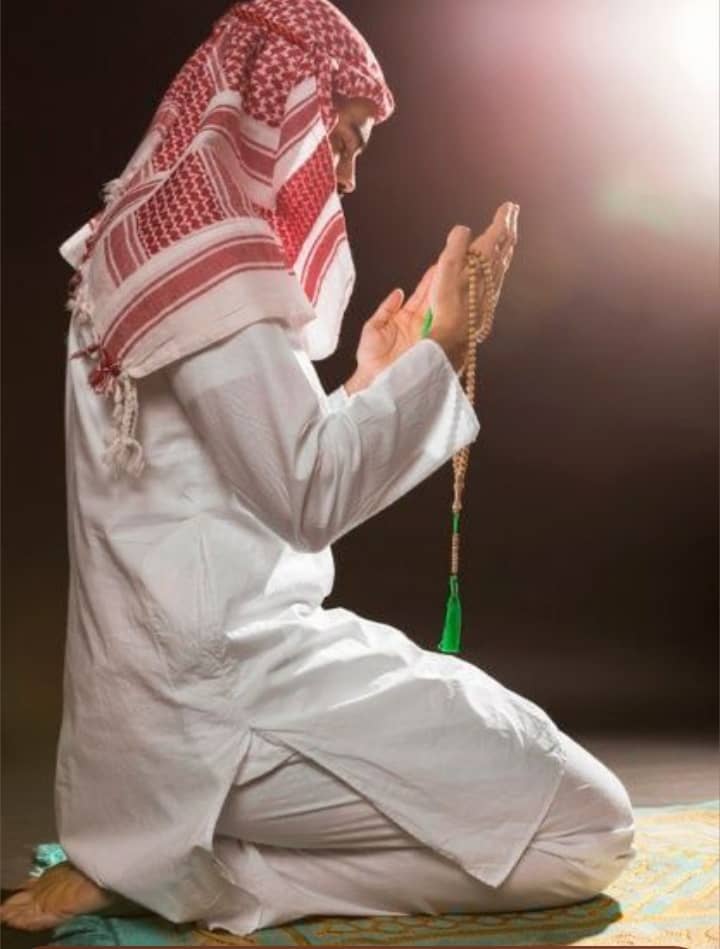
Ramadan is not just a season of fasting; it is a season when the doors between the servant and Allah feel closer, lighter, almost wide open. Duʿā’ in Ramadan carries a special weight, not because the words change, but because hearts are more awake and humility is closer to the surface. Knowing when to make duʿā’ helps a believer take full advantage of this blessed month.
One of the most powerful moments for duʿā’ is while fasting itself, especially in the final moments before ifṭār. Hunger softens pride. Thirst humbles the ego. At this time, the heart speaks honestly, without decoration. The Prophet ﷺ taught that the duʿā’ of a fasting person is not rejected, and many scholars emphasized the minutes just before breaking the fast as a golden window. This is not the moment to rush into food, but to pause and ask deeply, sincerely for what only Allah can give.
The nights of Ramadan are equally rich with opportunity, particularly during the last third of the night. When the world is quiet and distractions are asleep, Allah’s mercy is near in a way that invites intimacy. Rising for tahajjud, even briefly, and pouring out one’s heart before suḥūr trains the soul to rely fully on Allah. Many life-changing duʿās are whispered in those unseen hours.
Suḥūr itself is a blessed time. Eating before dawn is not only nourishment for the body but also an invitation to remembrance. A believer who pauses after suḥūr to make duʿā’, seeking strength for the fast ahead and forgiveness for the days past, aligns intention with worship. This simple habit turns an ordinary routine into an act of devotion.
During salah, moments of sujūd hold immense power. The closest a servant comes to Allah is when the forehead touches the ground. In Ramadan, when prayers increase and focus deepens, sujūd becomes a private meeting place with Allah. Asking for guidance, forgiveness, relief, and acceptance during sujūd anchors duʿā’ in humility.
Laylat al-Qadr stands above all other times. A single night better than a thousand months is an invitation no believer should take lightly. Even though its exact date is hidden, the last ten nights especially the odd nights are filled with promise. Duʿā’ during these nights should be abundant, hopeful, and persistent. Asking Allah for pardon, closeness, and lasting change reflects the true spirit of Ramadan.
Another often-overlooked time is when the Qur’an is being recited. Ramadan is the month of the Qur’an, and hearts are unusually receptive when listening or reciting its verses. Pausing to make duʿā’ after a verse of mercy or warning allows the Qur’an to shape the prayer itself, making it more sincere and aligned with divine guidance.
Ramadan teaches that duʿā’ is not confined to dramatic moments. It can be whispered while preparing ifṭār, spoken quietly while walking to the masjid, or made silently in the middle of a busy day. What matters most is presence of heart.
The best times for duʿā’ in Ramadan are giftsbut the real key is consistency and sincerity. A heart that keeps turning back to Allah throughout the month finds that even small duʿās leave lasting marks.
May Allah allow our duʿās to rise sincerely, be accepted generously, and shape our lives long after Ramadan departs.
