


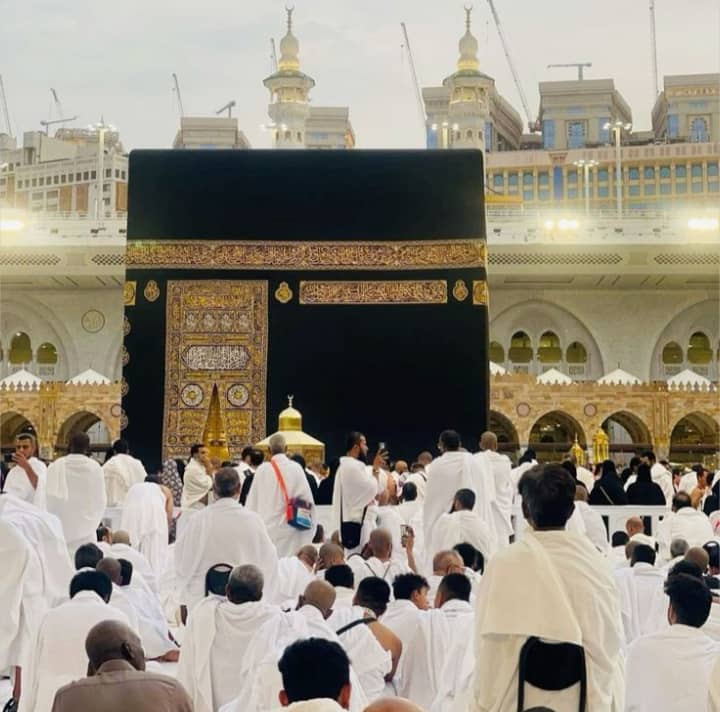
Ramadan is not only a month of fasting; it is a month of training. Long before a believer steps into the sacred boundaries of Makkah or stands on the plains of ʿArafah, Ramadan begins the quiet work of preparing the soul. It shapes the inner state that makes ʿUmrah meaningful and Hajj transformative.
The journey to the House of Allah does not begin at the airport. It begins in the heart and Ramadan is where that journey is rehearsed.
Fasting teaches restraint, and restraint is at the core of both ʿUmrah and Hajj. In Ramadan, we learn to control hunger, desire, anger, and the tongue. In Hajj, we are commanded to avoid arguments, obscenity, and disobedience. The discipline learned during long fasting days becomes spiritual muscle memory, making it easier to remain patient in crowds, calm in discomfort, and gentle with others in the sacred lands.
Ramadan also trains sincerity. When you fast, much of your worship is hidden. Only Allah truly knows whether you fasted properly or merely abstained from food. This quiet sincerity mirrors the essence of pilgrimage. In Makkah, millions perform the same rituals, dressed the same way, reciting the same words. What distinguishes one pilgrim from another is not appearance, but intention. Ramadan sharpens this inner focus, reminding the soul that Allah looks at hearts, not forms.
Another preparation Ramadan offers is detachment from the dunya. During the month, believers willingly reduce comforts, delay pleasures, and simplify life. Hajj demands the same mindset. Pilgrims leave behind routine, luxury, and control. The one who has tasted simplicity in Ramadan finds it easier to accept the physical challenges of tawaf, saʿy, and long hours of worship without complaint.
Ramadan softens the heart through Qur’an. The increased recitation, reflection, and listening to the words of Allah cleanse spiritual rust. This matters deeply for ʿUmrah and Hajj, where every step is soaked in remembrance. A heart already familiar with the Qur’an feels more alive in the Haram. The verses heard during tawaf or after salah land deeper, because Ramadan has already tilled the soil.
Charity in Ramadan also prepares the pilgrim’s soul. Giving generously loosens attachment to wealth and nurtures humility. Hajj, after all, is a journey of equality rich and poor standing side by side. A heart trained to give finds it easier to serve others, to share space, to help fellow pilgrims, and to place human dignity above personal comfort.
Perhaps most importantly, Ramadan teaches repentance. Nights of duʿā’, tears in sujood, and sincere istighfar cleanse the heart. Hajj is a journey of forgiveness, a return to Allah as pure as the day one was born. The one who enters Hajj already carrying a repenting heart experiences its meaning more deeply. Ramadan opens the door; Hajj allows you to walk through it.
For those planning ʿUmrah or Hajj, Ramadan is not separate from the journey it is part of it. And for those still waiting for the call, Ramadan is preparation in advance. Every fast observed with sincerity, every prayer guarded, every heart softened is a step closer to the House of Allah.
When Ramadan shapes the soul, ʿUmrah becomes more than rituals, and Hajj becomes more than a destination. They become a meeting with Allah that the heart has been preparing for all along.
May Allah allow our Ramadan to prepare us, our steps to reach His House, and our hearts to return transformed.
