


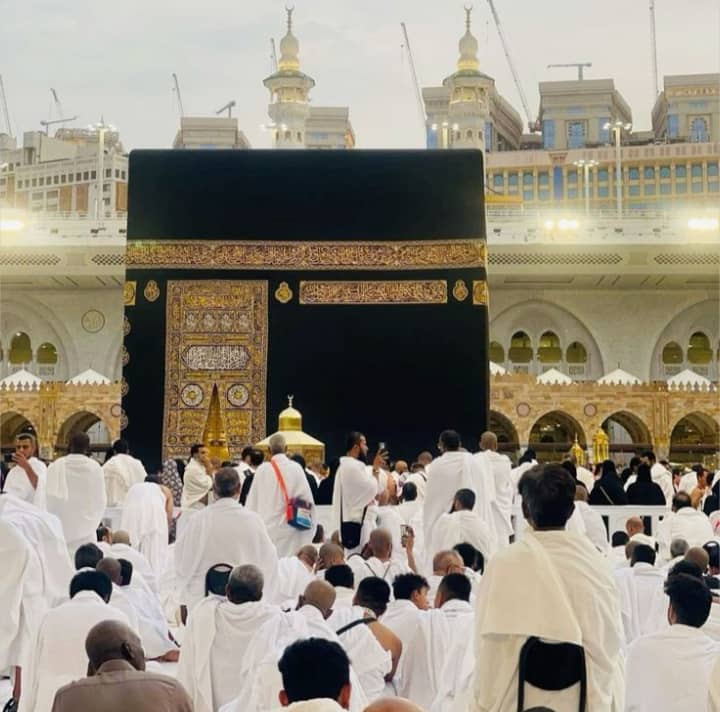
Hajj, the sacred pilgrimage to Makkah, is one of the five pillars of Islam and a deeply spiritual journey for millions of Muslims every year. While the essence of Hajj remains unchanged, modern times have introduced new challenges that pilgrims and authorities must navigate to ensure a safe and fulfilling experience. Two key areas where these challenges are most evident are technology and crowd management.
Technology: A Double-Edged Sword
Technology has transformed Hajj in remarkable ways, but it comes with both advantages and pitfalls:
-
Digital Navigation and Apps: Pilgrims can now use apps to track rituals, locate sites, and receive real-time updates. This convenience, however, can lead to overreliance, causing distraction from the spiritual focus of the pilgrimage.
-
Communication Tools: Smartphones allow pilgrims to stay connected with family, but constant notifications and social media sharing can disrupt the reflective nature of Hajj.
-
Crowd Monitoring Systems: Authorities employ AI and sensors to monitor crowd density and prevent stampedes. While lifesaving, these systems require proper infrastructure and cooperation, and their misuse or failure can increase risks.
Crowds: Managing Millions with Care
Each year, millions converge on Makkah, creating unique logistical challenges:
-
Stampede Risks: Dense gatherings, especially at Jamarat during the stoning ritual, require careful planning. Authorities must enforce timing schedules, barriers, and guided flows to reduce accidents.
-
Health Concerns: Overcrowding increases the risk of heat exhaustion, dehydration, and the spread of diseases. Proper medical facilities, hydration stations, and awareness campaigns are critical.
-
Accessibility: Elderly and differently-abled pilgrims face added difficulty navigating crowded sites, highlighting the need for ramps, transport assistance, and personalized support.
Balancing Modernity with Spirituality
Despite these challenges, modern tools and planning can enhance the Hajj experience when used mindfully:
-
Authorities continue improving digital coordination and safety infrastructure.
-
Pilgrims can use technology to stay informed while consciously minimizing distractions.
-
Spiritual preparation and awareness remain central, ensuring the heart stays connected to Allah even amid technological and logistical complexity.
Modern Hajj demonstrates the need for balance: embracing technology and safety measures without losing sight of the pilgrimage’s timeless spiritual purpose. With careful management, millions can perform Hajj safely, spiritually enriched, and connected in the global Muslim community.
Small Note: For pilgrims planning their journey, 3SixtyIslam provides expert guidance, helping you navigate both the practical and spiritual aspects of Hajj and Umrah, ensuring a smooth, fulfilling experience.
