


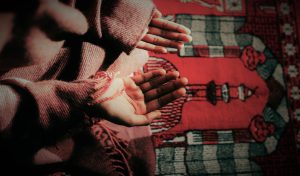
Life tests every soul. Illness, anxiety, financial pressure, grief, and moments of weakness are part of the human journey. Islam does not deny hardship; it teaches us how to walk through it with dignity, hope, and trust in Allah. Dua is not a last resort it is a believer’s first response. It aligns the heart with divine mercy and reminds us that no pain is unseen and no struggle is wasted.
Here are three powerful, authentic duas that Muslims have relied on for healing and relief across generations.
The first is a dua for physical and emotional healing, often recited during illness or distress:
“Allahumma rabban-naas, adhhibil-ba’s, ishfi anta ash-shaafi, laa shifaa’a illa shifaa’uk, shifaa’an laa yughaadiru saqamaa.”
This supplication was taught by the Prophet ﷺ himself. It acknowledges Allah as the true Healer, not medicine, not doctors, not circumstances—only Him. Reciting this dua builds patience and calm, especially when recovery feels slow. Healing in Islam is not always immediate, but it is always meaningful.
The second is a dua for relief from hardship, anxiety, and overwhelming situations:
“Hasbiyallahu laa ilaaha illa Huwa, ‘alayhi tawakkaltu wa Huwa Rabbul-‘Arshil-‘Azeem.”
This short yet profound dua means that Allah is sufficient. When worries multiply and solutions seem distant, this supplication recenters the heart. It trains the soul to rely on Allah without panic, fear, or despair. Many scholars recommend repeating it regularly during financial strain, emotional stress, or life-changing uncertainty.
The third is a dua for strength, patience, and inner peace during trials:
“Rabbanaa afrigh ‘alaynaa sabran wa thabbit aqdaamanaa.”
This dua asks Allah to pour patience into the heart, not just grant a little of it. It is especially powerful during prolonged struggles chronic illness, long-term challenges, or moments when faith feels tested. Patience in Islam is not passive; it is strength with purpose, rooted in trust.
Dua does not always change circumstances instantly, but it always changes the believer. It softens pain, strengthens faith, and opens doors we cannot see yet. Healing may come through recovery, resilience, or renewed closeness to Allah each one a form of mercy.
For pilgrims preparing for Hajj or Umrah, these duas are especially meaningful. The sacred journey is not only about movement of the body, but healing of the heart. Carry these supplications with sincerity, whether at home, in hardship, or in the holy lands.
At 3SixtyIslam, we remain committed to guiding hearts through faith and supporting pilgrims on journeys that transform both life and soul. May Allah grant healing, relief, and unwavering hope to all who turn to Him.
