

COMMON MISTAKES PILGRIMS MAKE DURING UMRAH: HOW TO AVOID THEM AND PERFORM A CORRECT PILGRIMAGE

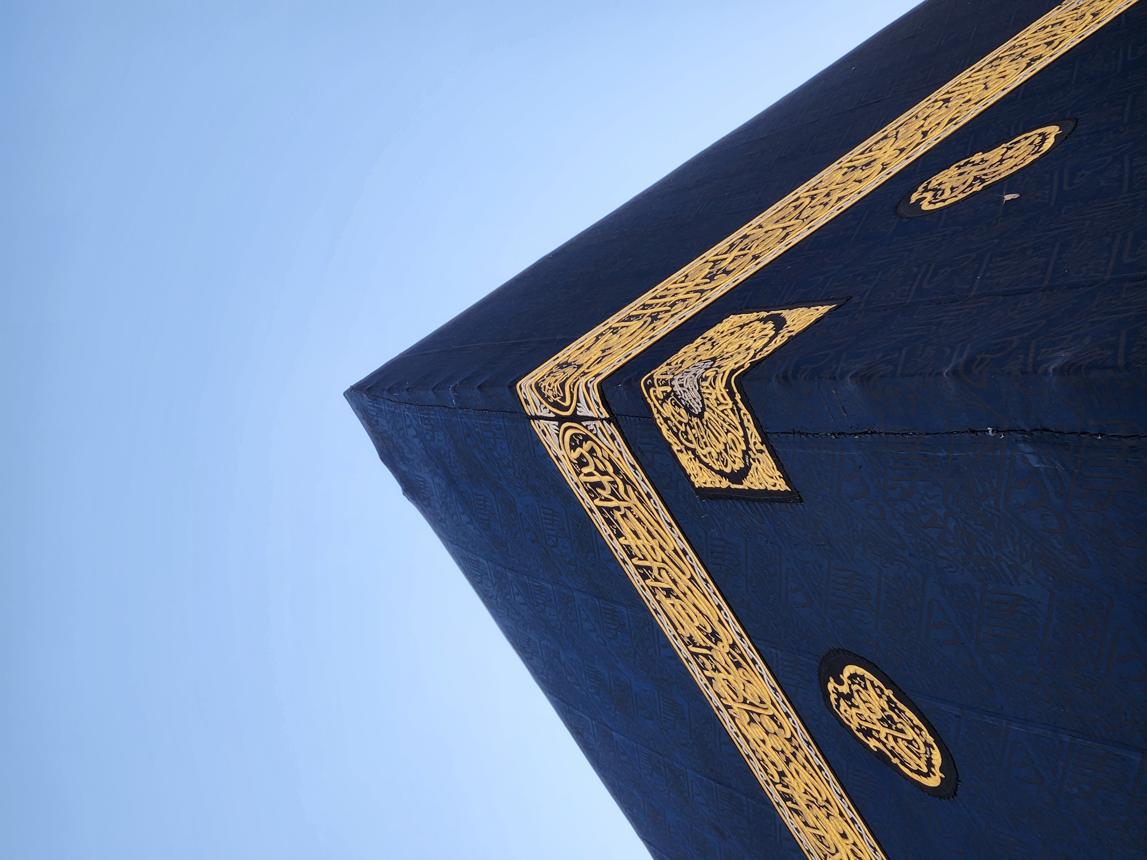
Umrah is a blessed act of worship that allows Muslims to visit the Sacred House of Allah in Makkah, seek forgiveness, renew their faith, and strengthen their relationship with their Creator. Every year, millions of Muslims travel from different parts of the world to perform Umrah with the hope of receiving Allah’s mercy and reward.
However, despite their sincere intentions, some pilgrims make mistakes during Umrah because of inadequate preparation, lack of knowledge, misconceptions, or following practices that have no reliable basis in Islamic teachings.
Some mistakes may affect the validity or proper completion of the rituals, while others concern etiquette, patience, and the treatment of fellow pilgrims. Understanding these mistakes before travelling can help Muslims perform Umrah with greater confidence, sincerity, and peace of mind.
In this article, we will discuss common mistakes pilgrims make during Umrah, their Islamic significance, and practical ways to avoid them.
1. Travelling for Umrah Without Learning the Rituals
One of the most common mistakes is travelling to Makkah without learning the correct procedures for performing Umrah.
Some pilgrims depend entirely on other people to guide them, while others simply imitate the actions of those around them without understanding what they are doing.
Although seeking guidance from an experienced group leader can be helpful, every pilgrim should make an effort to learn the essential rites of Umrah before departure.
The main rites include:
- Entering the state of Ihram with the appropriate intention.
- Performing Tawaf around the Ka’bah.
- Performing Sa’i between Safa and Marwah.
- Shaving or trimming the hair to complete Umrah.
How to avoid this mistake: Attend an Umrah training session, study a reliable guide based on the Qur’an and authentic Sunnah, and ask a qualified scholar about anything you do not understand.
Knowledge helps a pilgrim worship Allah correctly and avoid unnecessary confusion.
2. Making Mistakes Concerning the Intention (Niyyah)
Intention is an essential aspect of Islamic worship. Some pilgrims misunderstand the role of intention when beginning Umrah.
The intention to perform Umrah is made in the heart. There is no requirement to recite a particular formula aloud before entering Ihram.
A pilgrim may verbally state the intention if helpful, but treating a specific spoken formula as compulsory is not established as a general requirement.
The Prophet Muhammad (peace and blessings be upon him) said:
“Actions are but by intentions.”
(Sahih al-Bukhari 1; Sahih Muslim 1907)
This hadith highlights the importance of sincerity and intention in worship.
How to avoid this mistake: Make a sincere intention to perform Umrah for Allah alone and learn the correct procedure for entering Ihram. Do not become anxious about repeating the intention or pronouncing particular words perfectly.
3. Entering Ihram Without Observing the Miqat Rules
The Miqat is the designated boundary beyond which a person intending to perform Hajj or Umrah must not pass without entering Ihram.
Some pilgrims travel towards Makkah without understanding where their Miqat is or when they must enter Ihram. This can result in a serious procedural mistake.
The appropriate Miqat depends on the pilgrim’s route and circumstances. Air travellers should receive reliable guidance about when to prepare for Ihram and ensure they enter it before crossing the relevant boundary.
How to avoid this mistake:
- Find out which Miqat applies to your journey.
- Prepare your Ihram clothing before reaching the Miqat.
- Follow reliable instructions from your airline or Umrah group leader.
- Do not assume that you can wait until arriving in Makkah if you are already required to enter Ihram.
If a pilgrim believes they have crossed the Miqat without entering Ihram, they should seek qualified religious guidance about the appropriate remedy rather than assuming every case has the same ruling.
4. Ignoring the Restrictions of Ihram
Another common mistake is failing to understand the restrictions that apply once a pilgrim enters Ihram.
For men, Ihram includes avoiding ordinary fitted clothing that is prohibited during Ihram, such as shirts and trousers, and avoiding footwear that falls under the relevant restrictions. Women wear permissible modest clothing and are not required to wear a particular colour.
Both men and women must observe the applicable restrictions on matters such as using perfume after entering Ihram, cutting hair or nails, and engaging in sexual activity. Hunting certain land animals is also prohibited in the relevant circumstances.
Some rulings have important details and exceptions. For example, the rules concerning footwear differ from a simplistic requirement that men must always wear sandals.
How to avoid this mistake: Learn the restrictions of Ihram before travelling. If you accidentally violate a restriction, do not immediately assume your Umrah is invalid. The ruling and any required compensation depend on the particular act, the circumstances, and the relevant scholarly guidance.
Many pilgrims believe that they must recite a particular supplication during each of the seven circuits of Tawaf. Some become distressed if they forget the words or cannot keep up with a group reciting from a booklet.
There is no authentic requirement to recite a unique prescribed du’a for every individual circuit of Tawaf.
A pilgrim may remember Allah, recite the Qur’an, make personal supplications, and use authentic supplications from the Sunnah.
One well-known supplication that may be recited between the Yemeni Corner and the Black Stone is:
رَبَّنَا آتِنَا فِي الدُّنْيَا حَسَنَةً وَفِي الْآخِرَةِ حَسَنَةً وَقِنَا عَذَابَ النَّارِ
Rabbana atina fid-dunya hasanatan wa fil-akhirati hasanatan wa qina ‘adhaban-nar.
“Our Lord, give us good in this world and good in the Hereafter and protect us from the punishment of the Fire.”
(Surah Al-Baqarah 2:201)
How to avoid this mistake: Focus on remembering Allah sincerely instead of worrying about completing a particular list of supplications. Do not believe that your Tawaf is defective merely because you did not recite a specific du’a during each circuit.
6. Pushing and Hurting Others to Kiss the Black Stone
The Black Stone, known as Al-Hajar Al-Aswad, is an important feature of the Ka’bah. Many pilgrims hope to touch or kiss it during Tawaf.
However, some pilgrims push through crowds, quarrel, or cause harm to others in their attempt to reach it.
Touching or kissing the Black Stone is a Sunnah when it can be done safely. It is not worth injuring another Muslim or endangering oneself.
Umar ibn Al-Khattab (may Allah be pleased with him) addressed the Black Stone, saying that he knew it was a stone that could neither harm nor benefit independently, and that he would not have kissed it had he not seen the Prophet do so.
(Sahih al-Bukhari 1597)
How to avoid this mistake: If reaching the Black Stone is difficult because of the crowd, face it and gesture towards it as appropriate when beginning the circuit, without pushing or stopping the flow of people. Follow current crowd-management instructions and prioritise safety.
Remember that respect for the Sunnah should never become an excuse for harming others.
7. Assuming That One Must Touch Every Corner of the Ka’bah
Some pilgrims attempt to touch all four corners of the Ka’bah, believing that doing so is part of the required procedure of Tawaf.
However, touching or kissing all the corners is not an established requirement.
The Black Stone is kissed or touched when reasonably possible, and the Yemeni Corner is touched when possible without causing harm. The other two corners are not treated in the same way in the established practice of Tawaf.
How to avoid this mistake: Learn the Sunnah of Tawaf and do not crowd others in an attempt to touch parts of the Ka’bah. Completing Tawaf correctly is more important than trying to touch every structure or surface.
8. Performing Tawaf Incorrectly
Tawaf consists of seven circuits around the Ka’bah, keeping the Ka’bah on the pilgrim’s left.
Some common mistakes include losing count of the circuits, starting from an incorrect location, walking in the wrong direction, or becoming so distracted by photographs and conversations that the worship is not performed attentively.
Another mistake is deliberately moving through the Hijr Ismail, the semi-circular area adjoining the Ka’bah, while assuming the circuit still counts as passing around the entire Ka’bah. This area is understood to be part of the Ka’bah, so the pilgrim must go around it rather than cut through it.
How to avoid this mistake:
- Learn where Tawaf begins and ends.
- Complete seven circuits in the correct direction.
- Keep the Ka’bah on your left.
- Walk outside the Hijr Ismail.
- Pay attention to the circuit count and follow the instructions of qualified guides.
If you are genuinely uncertain whether a circuit was completed correctly, ask a knowledgeable guide or scholar about your specific situation.
9. Treating Every Part of the Ka’bah as a Place Where Du’a Must Be Made in a Special Way
Some pilgrims believe that certain spots around the Ka’bah guarantee that every supplication made there will be answered or that a specific action is required at each location.
Muslims should have hope in Allah’s mercy and recognise the special significance of worship in the Sacred Mosque. However, they should be cautious about declaring particular rituals, guaranteed outcomes, or special rewards without reliable evidence.
The same caution applies to wiping the hands over the walls of the Ka’bah, attaching objects to its covering, or performing other acts as though they were prescribed rites of Umrah.
How to avoid this mistake: Base your worship on authentic evidence and reliable scholarly guidance. Make du’a freely and sincerely, and avoid attributing religious requirements or guaranteed results to practices that lack sound evidence.
10. Believing That Sa’i Must Be Performed in a Particular Way That Has No Basis
Sa’i is the act of walking seven lengths between Safa and Marwah, beginning at Safa and ending at Marwah.
Some pilgrims mistakenly believe that men and women must move at the same pace throughout Sa’i or that women must run between the green markers.
The established practice is that men briskly walk or jog in the marked section between the green lights when they can do so safely. Women generally walk normally throughout Sa’i.
The green markers identify the section associated with the brisk walking practised by men; they do not indicate a requirement for women to run.
How to avoid this mistake: Learn the correct procedure before starting Sa’i. Walk at a safe pace, observe the relevant Sunnah, and do not endanger yourself or others by rushing through crowded areas.
11. Thinking That Women Must Wear White During Umrah
Some women believe that white clothing is compulsory for Ihram. This is incorrect.
Women may wear permissible, modest clothing of different colours, provided it meets Islamic requirements and avoids prohibited matters associated with Ihram.
Women do not have to imitate the two-piece white garments worn by male pilgrims.
Women in Ihram must also observe the relevant rules concerning face coverings and gloves, taking into account the detailed scholarly rulings. When in the presence of non-mahram men, they should seek guidance on how to observe the applicable requirements of modesty while in Ihram.
How to avoid this mistake: Learn the specific rules for women’s Ihram from a qualified scholar or a reliable Umrah guide. Do not assume that all rules applying to men apply identically to women.
12. Neglecting the Rights and Comfort of Fellow Pilgrims
One of the most serious behavioural mistakes during Umrah is forgetting the rights of other people.
Some pilgrims push, shout, argue over space, block walkways, or refuse to consider the needs of elderly people and those with disabilities.
Others become impatient when travelling in groups or blame fellow pilgrims for delays.
Umrah should encourage good character, not hostility. Worship is not limited to completing physical rituals; it also includes treating people with kindness and avoiding harm.
The Prophet Muhammad (peace and blessings be upon him) taught the importance of good character and protecting others from harm.
How to avoid this mistake:
- Remain patient in crowded places.
- Follow official instructions and designated routes.
- Give priority and assistance where appropriate to people who need it.
- Avoid pushing and unnecessary arguments.
- Keep walkways clear and respect the space of other worshippers.
A pilgrim should remember that other Muslims have come to worship Allah just as they have.
13. Spending Too Much Time Taking Photographs and Videos
Modern technology makes it easy to capture every moment of a journey. While taking permissible photographs is not automatically prohibited, excessive photography can distract pilgrims from the purpose of Umrah.
Some people spend more time arranging pictures, recording videos, or sharing updates online than concentrating on their worship.
Others may photograph strangers without permission or obstruct the movement of other pilgrims.
How to avoid this mistake: Keep photography limited and respectful, observe local rules, and avoid recording people without appropriate permission. Give priority to Tawaf, Sa’i, prayer, dhikr, and personal reflection.
The most valuable memories of Umrah may be the lessons carried in the heart rather than the number of photographs stored on a phone.
14. Forgetting That Shaving or Trimming the Hair Completes Umrah
After completing Tawaf and Sa’i, pilgrims must complete the appropriate hair-removal rite to exit Ihram.
Men may shave their heads or shorten their hair. Shaving is generally considered more virtuous for men in the relevant Sunnah reports, although trimming is also valid.
Women shorten a small portion of their hair rather than shaving their heads.
Some pilgrims mistakenly believe that completing Sa’i alone means they have finished Umrah and can immediately disregard the restrictions of Ihram.
How to avoid this mistake: Learn the correct order of the rites and ensure the required hair-cutting step is completed. Until the rites are completed according to the applicable rules, do not assume you have exited Ihram.
If you are unsure whether your hair was cut correctly or whether a particular circumstance affects completion, consult a qualified scholar.
15. Believing That Umrah Automatically Erases Every Sin Regardless of Conduct
Umrah is a great act of worship and an opportunity to seek Allah’s forgiveness. The Prophet Muhammad (peace and blessings be upon him) said:
“An ‘Umrah to another ‘Umrah is an expiation for what is between them.”
(Sahih al-Bukhari 1773; Sahih Muslim 1349)
However, this virtue should not be misunderstood as permission to commit sins or disregard the rights of other people.
A pilgrim should repent sincerely, abandon wrongdoing, and restore the rights of those who have been wronged where possible.
The acceptance of worship ultimately belongs to Allah, and Muslims should combine hope in His mercy with humility and continued obedience.
How to avoid this mistake: Approach Umrah as an opportunity for sincere repentance and lasting change. Do not use the pilgrimage as an excuse to become careless about your conduct before or after the journey.
16. Neglecting Obligatory Prayers While Focusing on Umrah Rituals
Some pilgrims become so focused on completing Tawaf, Sa’i, or optional acts of worship that they neglect their obligatory prayers.
This is a serious mistake. The five daily prayers remain obligatory, and the pilgrim should organise their time so that Umrah rituals do not cause them to neglect these duties.
Crowds and changes in routine may make planning more difficult, but they do not remove the obligation of prayer.
How to avoid this mistake: Check prayer times, allow enough time to reach suitable prayer areas, and plan your Tawaf and Sa’i around the obligatory prayers where possible. If you are uncertain about combining prayers or other travel-related concessions, ask a qualified scholar.
17. Neglecting Health, Hydration, and Safety
Umrah can involve considerable walking, standing, heat exposure, and crowded conditions. Some pilgrims push themselves beyond their physical limits because they fear losing spiritual reward if they rest.
However, Islam does not require people to deliberately endanger themselves.
Pilgrims should take care of their health, drink water regularly, rest when necessary, and follow official health and safety guidance. Those with existing medical needs should plan appropriately and seek professional advice before travelling when necessary.
How to avoid this mistake:
- Stay hydrated and take suitable breaks.
- Wear comfortable, permissible footwear appropriate to your circumstances.
- Follow official crowd-management instructions.
- Keep essential medication and emergency contact information accessible.
- Seek assistance when feeling unwell.
A person should worship Allah within their ability and avoid unnecessary harm.
18. Returning Home Without Maintaining the Lessons of Umrah
Another common mistake is treating Umrah as a temporary spiritual experience rather than an opportunity for lasting improvement.
Some pilgrims return home and quickly abandon the good habits they developed in Makkah. They may resume neglecting prayers, speaking harshly to others, or engaging in the same sinful behaviour they sincerely intended to leave behind.
Although no one is expected to become perfect after Umrah, a sincere pilgrim should strive to preserve the positive changes inspired by the journey.
How to avoid this mistake:
- Maintain the five daily prayers.
- Read and reflect on the Qur’an regularly.
- Continue making du’a and seeking forgiveness.
- Treat family members, neighbours, and colleagues with kindness.
- Give charity and help those in need.
- Avoid boasting about the pilgrimage or looking down on people who have not performed it.
The lasting benefit of Umrah is reflected in a person’s continued effort to obey Allah and improve their character.
Conclusion
Umrah is a precious opportunity to worship Allah, seek forgiveness, strengthen faith, and renew one’s commitment to Islam. However, pilgrims must understand the rituals, avoid unsupported practices, observe the rules of Ihram, and treat fellow worshippers with kindness and patience.
The most common mistakes include travelling without adequate knowledge, misunderstanding intention, neglecting Miqat rules, pushing to reach the Black Stone, performing Tawaf or Sa’i incorrectly, and becoming distracted by worldly concerns.
Not every mistake has the same consequence. Some may affect the proper completion of a ritual, while others concern etiquette or personal conduct. Therefore, pilgrims should seek reliable Islamic guidance whenever they are uncertain rather than assuming that every mistake invalidates Umrah or requires compensation.
Ultimately, a successful Umrah is not merely about completing the rituals. It is about worshipping Allah sincerely, following the guidance of Prophet Muhammad (peace and blessings be upon him), respecting fellow Muslims, and returning home determined to live a more righteous life.
May Allah make Umrah easy for all pilgrims, protect them from mistakes, accept their worship, forgive their sins, and grant them a safe return with strengthened faith and righteous deeds.
Ameen.
