

THE VIRTUES AND REWARDS OF PERFORMING UMRAH: A JOURNEY OF FAITH, FORGIVENESS, AND SPIRITUAL RENEWAL

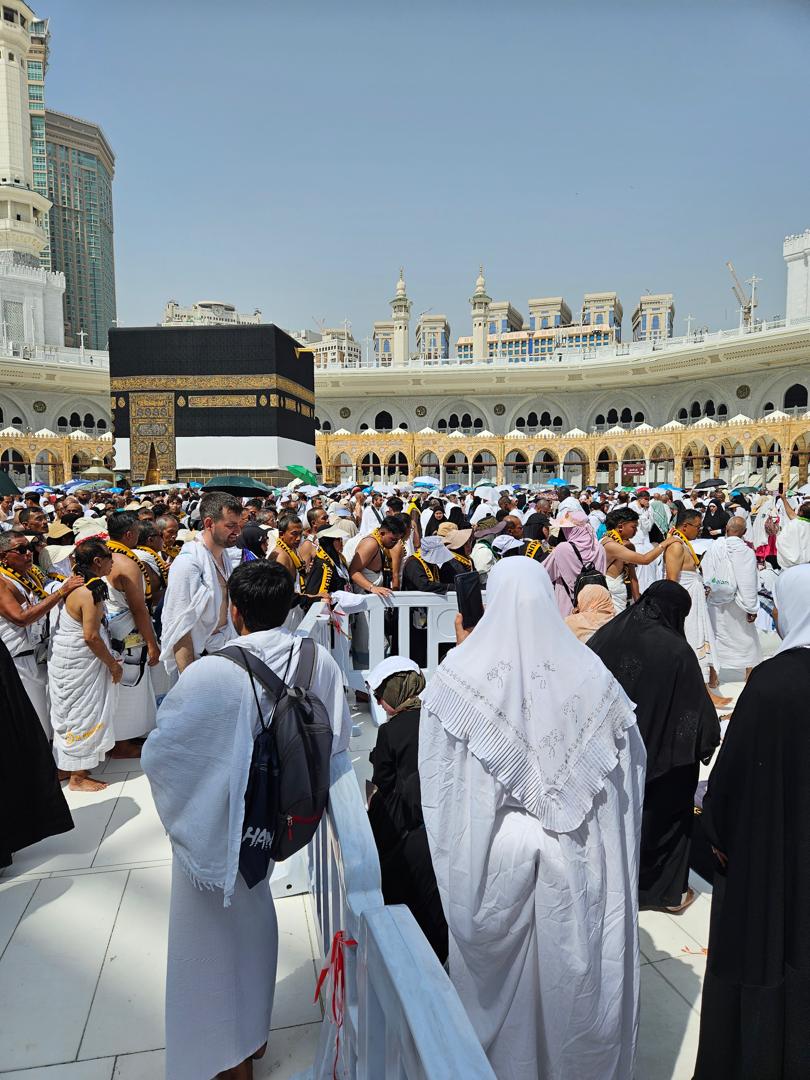
Umrah is one of the most beautiful acts of worship in Islam. Often referred to as the lesser pilgrimage, Umrah is a sacred journey to Makkah that allows Muslims to draw closer to Allah, seek forgiveness for their sins, renew their faith, and experience the spiritual atmosphere of the Holy Mosque. Although Umrah differs from Hajj in its rituals and timing, it holds a special place in the hearts of Muslims around the world.
Every year, millions of Muslims travel to Makkah with the hope of receiving Allah’s mercy, having their supplications accepted, and returning home with stronger faith. For many, Umrah is more than a journey across countries; it is a journey of the heart, a chance to leave behind worldly distractions and focus on pleasing Allah.
In this article, we will explore the virtues and rewards of performing Umrah, its spiritual significance, the lessons it teaches, and how Muslims can make the most of this blessed act of worship.
1. What Is Umrah?
Umrah is an act of worship performed at the Sacred Mosque in Makkah. It consists of entering the state of Ihram, performing Tawaf around the Ka’bah, walking between Safa and Marwah in Sa’i, and shaving or trimming the hair to complete the pilgrimage.
Unlike Hajj, which takes place during specific days of the Islamic month of Dhul-Hijjah, Umrah can generally be performed at any time of the year.
The primary purpose of Umrah is to worship Allah sincerely, follow the teachings of Prophet Muhammad (peace and blessings be upon him), and seek His pleasure and forgiveness.
Allah says in the Qur’an:
“And complete the Hajj and ‘Umrah for Allah.”
(Surah Al-Baqarah 2:196)
This verse highlights the importance of performing these acts of worship sincerely for Allah alone.
2. Umrah Is an Opportunity for Forgiveness
One of the greatest virtues of performing Umrah is the opportunity it provides for a Muslim to seek forgiveness from Allah and turn away from sin.
Human beings are imperfect. We make mistakes, fall into sin, and sometimes become distracted by worldly affairs. Islam encourages believers never to despair of Allah’s mercy but to continually repent and return to Him.
Prophet Muhammad (peace and blessings be upon him) said:
“An ‘Umrah to another ‘Umrah is an expiation for what is between them.”
(Sahih al-Bukhari 1773; Sahih Muslim 1349)
This authentic hadith explains the great virtue of performing Umrah repeatedly, as it serves as an expiation for sins committed between the pilgrimages.
However, Muslims should understand that forgiveness is connected to sincere repentance and Allah’s mercy. The rights of other people must also be respected and restored where necessary.
Before travelling for Umrah, a Muslim should therefore reflect on their life, seek forgiveness for past mistakes, settle debts where possible, and make a sincere intention to improve their relationship with Allah.
Umrah offers a valuable opportunity to begin again with humility, hope, and determination.
3. Umrah Helps Strengthen Faith and Taqwa
Another important reward of Umrah is the opportunity to strengthen one’s faith and develop greater consciousness of Allah, known as taqwa.
When a Muslim enters Ihram, they leave behind many ordinary comforts and adopt a simple appearance that reminds them of humility and submission to Allah. The pilgrim becomes more conscious of their words, actions, intentions, and treatment of others.
Standing before the Ka’bah, surrounded by Muslims from different countries and backgrounds, can remind a believer that Islam unites people through faith rather than wealth, nationality, language, or social status.
The experience encourages Muslims to reflect on their purpose in life and remember that true success lies in pleasing Allah.
Umrah can also inspire a believer to become more consistent in prayer, recitation of the Qur’an, remembrance of Allah, charity, and good character.
The true benefit of this spiritual experience becomes evident when the pilgrim returns home and strives to maintain these acts of worship.
4. Umrah Is a Means of Drawing Closer to Allah
The ultimate goal of every act of worship is to seek the pleasure of Allah and strengthen one’s relationship with Him.
During Umrah, pilgrims have many opportunities to engage in sincere worship. They perform Tawaf around the Ka’bah, make supplications, remember Allah, recite the Qur’an, and reflect on the blessings He has bestowed upon them.
Allah says:
“So remember Me; I will remember you.”
(Surah Al-Baqarah 2:152)
This verse reminds Muslims of the importance of remembering Allah in every circumstance.
Umrah creates an environment in which a believer can focus more intentionally on dhikr, du’a, repentance, and gratitude.
A pilgrim may pray for personal guidance, the well-being of their family, the forgiveness of deceased relatives, relief from hardship, and success in this life and the Hereafter.
Although worship and supplication are not limited to Makkah, performing Umrah can provide a powerful opportunity to renew one’s devotion and turn to Allah with sincerity.
5. Umrah Is a Source of Great Spiritual Reward
Islam encourages Muslims to perform righteous deeds and seek opportunities to earn Allah’s reward.
Umrah is among the acts of worship that offer significant spiritual benefits when performed according to the Sunnah and with sincere intention.
Prophet Muhammad (peace and blessings be upon him) said:
“The performance of ‘Umrah is expiation for the sins committed between it and the previous one.”
(Sahih al-Bukhari 1773; Sahih Muslim 1349)
This hadith encourages Muslims to value Umrah as an opportunity for spiritual purification.
The reward of an act of worship, however, ultimately belongs to Allah. Muslims should avoid assuming that the pilgrimage automatically guarantees the forgiveness of every sin regardless of a person’s conduct, repentance, or treatment of others.
Instead, pilgrims should approach Umrah with hope in Allah’s mercy, fear of falling into wrongdoing, and a sincere desire to become better servants of Allah.
6. The Reward of Umrah During Ramadan
Performing Umrah during Ramadan carries a special virtue.
Ramadan is a blessed month in which Muslims fast, increase their prayers, recite the Qur’an, give charity, and seek Allah’s forgiveness. Performing Umrah during this month allows a believer to combine the worship of pilgrimage with the spiritual opportunities of Ramadan.
Ibn Abbas (may Allah be pleased with him) reported that the Prophet Muhammad (peace and blessings be upon him) said to a woman from the Ansar:
“When Ramadan comes, perform ‘Umrah, for ‘Umrah in it is equivalent to Hajj.”
(Sahih al-Bukhari 1782; Sahih Muslim 1256)
This hadith establishes the special virtue of Umrah during Ramadan.
Scholars explain that this equivalence concerns the reward and virtue mentioned in the hadith; it does not mean that Umrah during Ramadan replaces the obligation of Hajj for someone who is required and able to perform it.
Therefore, Muslims who have the opportunity to perform Umrah during Ramadan should value the blessing while observing the proper rules of worship and maintaining sincerity.
At the same time, a Muslim should not feel that their worship is inferior simply because they cannot travel during Ramadan. Allah knows every person’s circumstances, intentions, and efforts.
7. Umrah Reminds Muslims of the Unity of the Ummah
One of the most moving aspects of Umrah is seeing Muslims from different parts of the world gathered in one place to worship the same Lord.
Pilgrims may come from Africa, Asia, Europe, the Americas, and many other regions. They speak different languages, wear different national clothing in everyday life, and come from different economic backgrounds. Yet they share the same direction of prayer and perform the same sacred rites.
This experience demonstrates the unity of the Muslim Ummah.
Allah says:
“Indeed, the believers are brothers.”
(Surah Al-Hujurat 49:10)
Umrah reminds Muslims that faith should encourage compassion, respect, patience, and cooperation.
During Tawaf and Sa’i, pilgrims often encounter crowded conditions and must exercise consideration for others. They learn to avoid pushing, arguing, insulting fellow Muslims, or causing unnecessary inconvenience.
These lessons should continue long after the journey ends. A person who returns from Umrah should strive to become more patient with family members, more generous toward neighbours, and more compassionate toward people in need.
8. Umrah Teaches Patience, Humility, and Self-Discipline
Umrah is a spiritual journey, but it can also involve physical and emotional challenges.
Pilgrims may experience long journeys, crowded areas, tiredness, changes in routine, and the difficulties of travelling with a group. These situations provide opportunities to practise patience and self-control.
The restrictions of Ihram also teach discipline. Pilgrims must observe specific rules and avoid prohibited conduct while in the sacred state.
Allah says:
“Indeed, Allah is with the patient.”
(Surah Al-Baqarah 2:153)
Patience is an essential quality for every Muslim, and Umrah can help develop it.
A pilgrim should remember that the purpose of the journey is not merely to complete the physical rituals but to worship Allah with a sound heart and good manners.
There is little benefit in performing sacred rites while deliberately harming others through harsh speech, selfishness, or aggression.
A successful pilgrim therefore seeks to combine correct worship with patience, humility, and excellent character.
9. Umrah Reminds Us of the Story of Prophet Ibrahim and Hajar
The rituals of Umrah carry important lessons from the lives of Prophet Ibrahim (Abraham, peace be upon him) and Hajar (Hagar, may Allah be pleased with her).
According to the Islamic tradition, Prophet Ibrahim left Hajar and their infant son Ismail in the valley of Makkah by Allah’s command. When their provisions ran out, Hajar searched for water, moving between the hills of Safa and Marwah.
Her determination and trust in Allah are remembered through the ritual of Sa’i, in which pilgrims walk between Safa and Marwah.
Allah says:
“Indeed, Safa and Marwah are among the symbols of Allah.”
(Surah Al-Baqarah 2:158)
The story teaches several important lessons.
First, believers should place their trust in Allah, even during difficult circumstances. Second, trusting Allah does not mean abandoning effort. Hajar actively searched for water while relying upon her Lord. Third, relief can come from Allah in ways that people do not expect.
For pilgrims facing difficulties in their personal lives, Sa’i can serve as a reminder to combine faith with action, patience with perseverance, and hope with sincere supplication.
10. Umrah Provides an Opportunity to Make Du’a
Du’a, or supplication, is one of the most important expressions of a Muslim’s relationship with Allah.
During Umrah, pilgrims often take time to ask Allah for forgiveness, guidance, protection, lawful provision, family well-being, and success in the Hereafter.
A believer may also pray for people who are suffering, those who have passed away, and the wider Muslim community.
Allah says:
“Call upon Me; I will respond to you.”
(Surah Ghafir 40:60)
This verse encourages Muslims to call upon Allah with humility and hope.
It is important to understand that there is no single compulsory supplication for every circuit of Tawaf or every stretch of Sa’i. A pilgrim may make authentic reported supplications, remember Allah using established forms of dhikr, and ask for personal needs in their own words.
One well-known Qur’anic supplication is:
رَبَّنَا آتِنَا فِي الدُّنْيَا حَسَنَةً وَفِي الْآخِرَةِ حَسَنَةً وَقِنَا عَذَابَ النَّارِ
Rabbana atina fid-dunya hasanatan wa fil-akhirati hasanatan wa qina ‘adhaban-nar.
“Our Lord, give us good in this world and good in the Hereafter and protect us from the punishment of the Fire.”
(Surah Al-Baqarah 2:201)
Pilgrims should make du’a with sincerity and confidence in Allah’s wisdom, remembering that the response to supplication may take different forms and occur at a time known best to Him.
11. Umrah Encourages Gratitude for Allah’s Blessings
Travelling to Makkah is a blessing that not every Muslim is able to experience.
Some people save for years to afford the journey, while others may be prevented from travelling because of illness, financial limitations, family responsibilities, or other circumstances.
A pilgrim who has been granted the opportunity should recognise it as a blessing and express gratitude to Allah.
Gratitude involves more than words. It includes using one’s blessings in ways that please Allah, helping those in need, treating people kindly, and remaining humble.
Allah says:
“If you are grateful, I will surely increase you [in favour].”
(Surah Ibrahim 14:7)
A grateful pilgrim should avoid boasting about the journey or looking down on people who have not performed Umrah. Instead, the experience should increase humility and compassion.
Muslims who cannot afford the journey should also remember that their inability to travel does not make them less valuable before Allah. Sincerity, righteousness, and good deeds remain accessible wherever a person lives.
12. How Can a Muslim Make the Most of Umrah?
To benefit fully from Umrah, a pilgrim should prepare spiritually and practically before travelling.
Here are some important steps:
1. Renew your intention. Perform Umrah sincerely for Allah rather than for praise, photographs, status, or recognition.
2. Learn the correct rituals. Study the rules of Ihram, Tawaf, Sa’i, and the completion of Umrah before departure.
3. Repent sincerely. Seek Allah’s forgiveness, abandon sinful habits, and resolve to improve your conduct.
4. Respect the rights of others. Settle debts where possible, seek reconciliation when appropriate, and avoid harming other people.
5. Increase your remembrance of Allah. Use your time for prayer, Qur’an recitation, dhikr, and sincere supplication.
6. Practise patience and good manners. Be considerate of other pilgrims, especially older people, children, and those who need assistance.
7. Avoid religious innovations and unsupported claims. Follow the Qur’an and authentic Sunnah, and seek reliable scholarly guidance when uncertain about a ritual.
8. Continue your good deeds after returning home. Maintain your prayers, improve your character, and remain committed to repentance and obedience to Allah.
These steps help transform Umrah from a temporary travel experience into a lasting source of spiritual growth.
13. What Should a Muslim Do After Returning from Umrah?
The benefits of Umrah should not end when a pilgrim leaves Makkah.
One of the most important signs of positive spiritual growth is a sincere effort to remain obedient to Allah after returning home.
A pilgrim should strive to preserve the good habits developed during the journey. These may include praying on time, reading the Qur’an regularly, avoiding gossip, giving charity, maintaining family ties, and treating others with kindness.
It is also important not to assume that performing Umrah makes a person free from future mistakes. Every Muslim must continue seeking forgiveness and working toward righteousness.
Nor should people claim with certainty that a particular person’s Umrah has been accepted, since acceptance ultimately belongs to Allah. Rather, we should hope for acceptance, ask Allah to grant it, and continue doing good deeds.
A beautiful supplication is:
اللَّهُمَّ تَقَبَّلْ مِنَّا إِنَّكَ أَنْتَ السَّمِيعُ الْعَلِيمُ
Allahumma taqabbal minna innaka Antas-Sami’ul-‘Alim.
“O Allah, accept from us. Indeed, You are the All-Hearing, the All-Knowing.”
This wording is drawn from the Qur’anic supplication of Ibrahim and Ismail in Surah Al-Baqarah 2:127, with the pronoun adapted to a plural supplication.
Conclusion
Umrah is a precious opportunity for Muslims to renew their faith, seek forgiveness, strengthen their relationship with Allah, and reflect on the purpose of life. Its virtues include the expiation of sins between one Umrah and another, as established in authentic hadith, and a special virtue when performed during Ramadan.
Beyond its formal rituals, Umrah teaches patience, humility, gratitude, unity, perseverance, and trust in Allah. It reminds believers of the legacy of Prophet Ibrahim and the determination of Hajar, while offering time for prayer, repentance, and spiritual reflection.
However, the true value of Umrah should not be measured only by the journey itself. Its deeper benefit lies in the positive changes it inspires in a person’s heart, worship, and behaviour.
May Allah grant every sincere Muslim the opportunity to visit His Sacred House, make their journey easy, forgive their sins, accept their worship, and allow them to return home with stronger faith and better character.
Ameen.
