


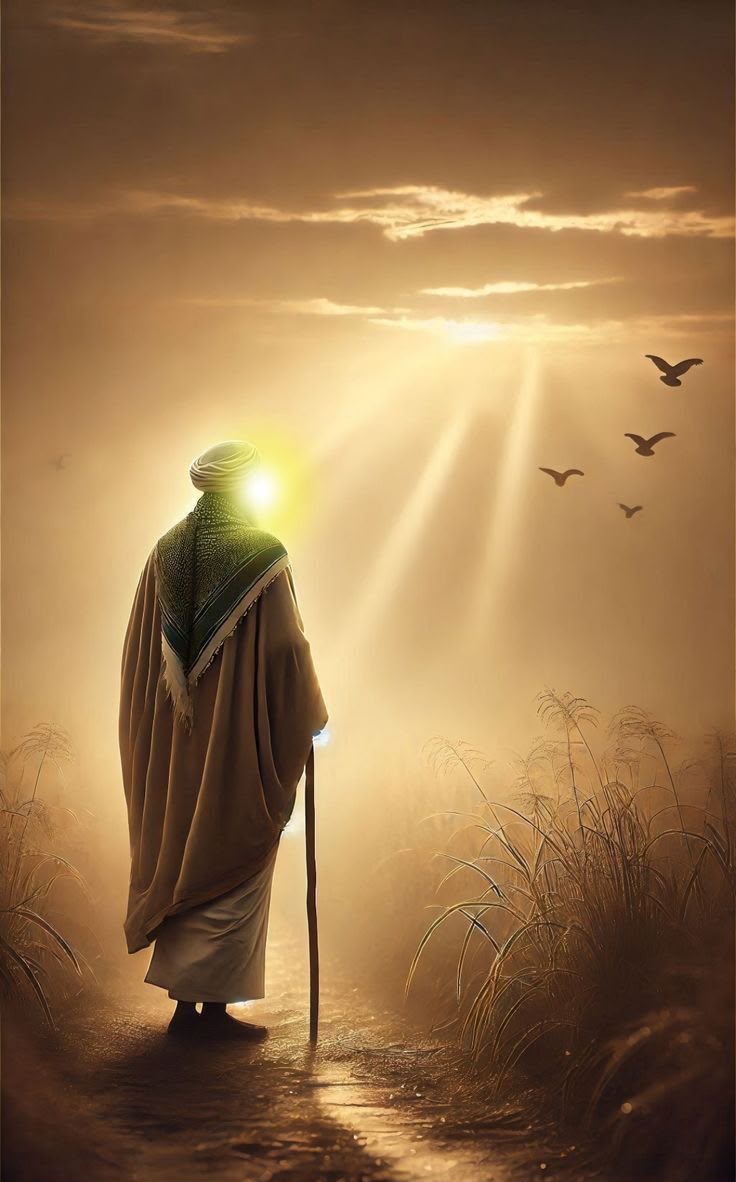
The world constantly tells people to want more. More money, more recognition, more possessions, more followers, more attention, more comfort and more success. There is always another thing to buy, another achievement to pursue and another person to impress. Even after reaching something we once desperately wanted, the satisfaction can quickly disappear and be replaced by another desire.
Islam does not teach Muslims to abandon the world or refuse its lawful blessings. Instead, it teaches them not to allow the world to take control of their hearts. This is where zuhd becomes important. Zuhd is often described as detachment from excessive love of worldly life. It means benefiting from the world without allowing the world to become the ultimate purpose of your existence.
A person practising zuhd can have wealth without worshipping wealth. They can enjoy a comfortable home without believing that comfort is the measure of their worth. They can build a successful career without allowing their career to become their identity. They can appreciate beautiful things without becoming obsessed with possessing everything they see.
The issue is not necessarily what you have in your hands. The deeper question is what you have in your heart.
Allah says, “Know that the life of this world is but play and amusement and adornment and boasting to one another and competition in increase of wealth and children.” (Qur’an 57:20). The verse does not say that everything in this world is meaningless. Rather, it reminds us that worldly life is temporary and that its attractions can easily distract people from what ultimately matters.
A Muslim can work hard, earn money, build a business, raise a family and pursue legitimate ambitions. Islam does not condemn success. What Islam warns against is allowing worldly success to become the centre of the heart.
There is a difference between having wealth and being controlled by wealth.
A wealthy person may be generous, humble and deeply conscious of Allah. Another person with very little may be completely consumed by envy, status and material desire. Zuhd therefore cannot be measured simply by how much money someone has.
A person can practise zuhd while living comfortably if their heart remains detached from excessive attachment to possessions.
This is important because people often misunderstand the concept. Zuhd does not mean dressing badly simply to appear religious. It does not mean refusing a good meal, living in poverty when you can afford necessities, or deliberately making life difficult for yourself. The Prophet Muhammad ﷺ and his companions benefited from the lawful blessings Allah provided.
The issue is attachment.
If losing an expensive item makes you feel as though your entire life has collapsed, it is worth asking how much space that possession occupies in your heart. If someone else’s success constantly makes you bitter, it may be a sign that worldly comparison has become too important. If you cannot imagine being happy unless you achieve a certain financial or social status, your desires may have become stronger than your contentment.
Zuhd teaches the heart to say, “I can appreciate this without needing it to define me.”
This becomes particularly relevant in the age of social media. People constantly see carefully selected versions of other people’s lives. Someone posts a new car, a luxury holiday, a beautiful home, an expensive outfit or a major achievement, and suddenly another person’s ordinary life feels inadequate.
Comparison creates dissatisfaction.
A person may have enough to be grateful for but become unhappy because they are constantly looking at what someone else has. They may begin spending money they do not have simply to maintain an image. They may become obsessed with appearing successful rather than actually living responsibly.
Zuhd provides an alternative way of thinking. Your worth is not determined by what you can display.
Allah says, “Indeed, the most noble of you in the sight of Allah is the most righteous of you.” (Qur’an 49:13). The standard of honour with Allah is not wealth, appearance, popularity or social status. It is taqwa.
This does not mean worldly achievements are worthless. A Muslim can pursue excellence in education, business, career, family life and other areas. But the heart must remember that none of these things are permanent.
Money can disappear. Positions can change. Businesses can fail. Popularity can fade. Physical appearance changes. Trends move on. Possessions eventually belong to someone else.
The wise believer therefore uses worldly blessings without becoming enslaved by them.
This attitude also changes how we spend. A person practising zuhd becomes more conscious about where their money goes. They do not need to buy everything simply because they can. They understand the difference between a genuine need, a permissible enjoyment and an unhealthy obsession.
This does not mean that every purchase must become a spiritual crisis. It simply means that a Muslim develops self-control.
Zuhd also affects how we respond to success. When Allah gives someone wealth, influence or opportunity, they remember that these are trusts. Instead of becoming arrogant, they become grateful. Instead of asking only, “What can I buy with this?” they also ask, “How can I use this blessing in a way that pleases Allah?”
This is why generosity is closely connected to detachment from the world. The person who believes that their possessions are ultimately gifts from Allah becomes more willing to share them.
Someone who is completely attached to wealth finds giving painful. Someone who understands that wealth is temporary can give without feeling that they are losing everything.
The same principle applies to status. Some people spend enormous amounts of energy trying to make sure they are respected, admired and recognised. They become deeply upset when someone criticises them or when another person receives more attention.
Zuhd teaches the heart to care more about Allah’s approval than people’s applause.
You do not need everyone to know your name.
You do not need everyone to understand your choices.
You do not need to prove your success to everyone.
You need to live in a way that you can stand before Allah with a sound heart.
This is also why zuhd can bring peace. Much of human anxiety comes from trying to maintain things we cannot permanently control. We worry about keeping our wealth, protecting our reputation, staying ahead of others and maintaining a particular lifestyle.
The more attached we become, the more afraid we become of losing.
Detachment does not mean that we stop caring. It means that we recognise that everything belongs to Allah.
When something leaves our hands, we are disappointed, but we do not allow the loss to destroy our faith. When something comes into our hands, we are grateful, but we do not allow it to make us arrogant.
This balance is the heart of zuhd.
A person with zuhd can enjoy a beautiful home and still remember Allah. They can drive a good car and still remain humble. They can wear nice clothes and still be grateful. They can build a successful company and still give generously. They can have influence without believing they are better than other people.
The Prophet ﷺ reminded his companions about the temporary nature of worldly life and encouraged them to live with the Hereafter in mind. This does not mean neglecting responsibilities in this world. It means remembering that this world is a journey, not the final destination.
That perspective can change the way we make decisions.
Before pursuing something, a Muslim can ask: “Will this bring me closer to Allah or distract me from Him?”
Before spending money, they can ask: “Do I actually need this, or am I simply trying to keep up with others?”
Before becoming consumed by a career, they can ask: “What am I sacrificing for this success?”
Before becoming obsessed with social status, they can ask: “Would this matter if nobody knew about it?”
These questions do not prevent ambition. They purify it.
The goal of zuhd is not to make a person hate the world. It is to stop the world from becoming their master.
You can have possessions without allowing possessions to possess you. You can pursue success without making success your god. You can enjoy blessings without forgetting the One who gave them.
The believer understands that the greatest treasure is not what they can accumulate here. It is what they can send ahead through faith, worship, good character, generosity and righteous deeds.
One day, the things people spend their entire lives trying to collect will remain behind. What will matter is what they did with the time, wealth, abilities and opportunities Allah gave them.
Zuhd therefore teaches a simple but powerful lesson: use the world, but do not let the world use you.
May Allah give us hearts that are grateful for what we have, content with what He has written for us and detached from the excessive love of worldly things. May He allow us to enjoy His blessings without becoming enslaved by them, and may He make the Hereafter greater in our hearts than everything this world has to offer.
