


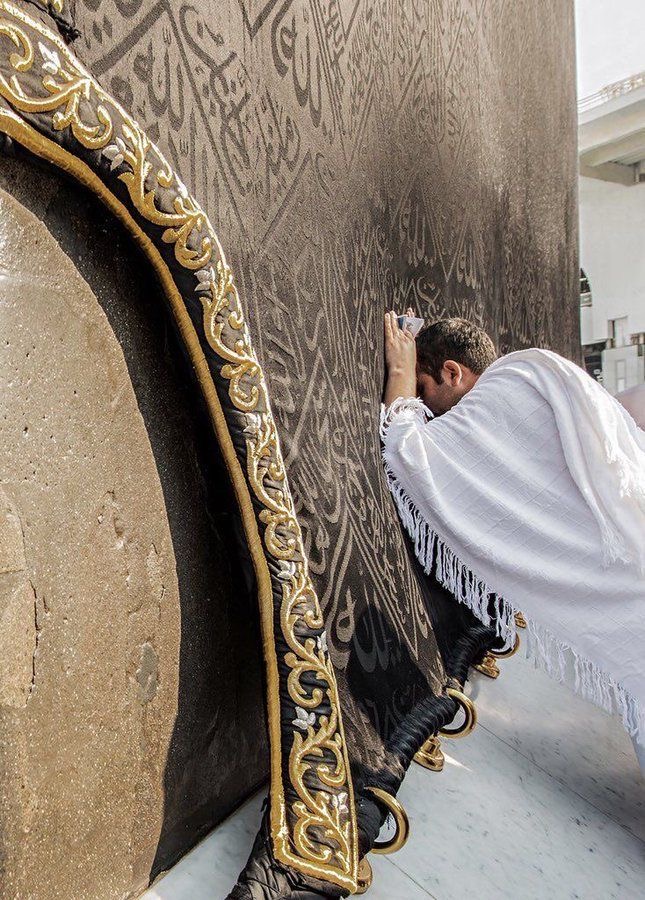
There is a stage in a Muslim’s life when acts of worship can become so familiar that we begin doing them almost automatically. We hear the adhan, stand up for salah, recite the familiar verses and complete the prayer. Friday comes, we go for Jumuʿah, listen to the khutbah and return to our normal activities. We open the Qur’an, recite a few pages and close it again. We make dhikr, raise our hands for duʿa and continue with the rest of our day.
There is nothing wrong with having a routine in worship. In fact, consistency is an important part of Islam. The problem begins when the routine remains while the connection disappears. We continue performing the actions, but our hearts are no longer engaged with what we are doing.
This can happen gradually. A person may begin praying with great concentration, feeling every word and looking forward to standing before Allah. Over time, however, the prayer can become something they simply complete because it is time to pray. The body knows what to do, but the mind is somewhere else. The same thing can happen with Qur’an recitation and other acts of worship. What once moved the heart can eventually feel ordinary.
This does not necessarily mean that a person has stopped caring about Allah. Sometimes it simply means that familiarity has reduced their attentiveness. We experience the same problem in other areas of life. Something can be deeply meaningful to us and still become routine when we repeat it every day. That is why the believer needs moments of reflection, not because worship itself is a problem, but because the heart needs to remain awake.
Salah is perhaps the clearest example. We stand before Allah several times every day, yet it is possible to finish a prayer and realise that our minds were occupied with everything except the prayer itself. We may have been thinking about work, family, money, social media or something that happened earlier in the day. Our body was facing the qiblah, but our attention was somewhere else.
The solution is not to abandon routine. It is to rediscover what the routine means.
When you say “Allahu Akbar” at the beginning of salah, remember that you are declaring that Allah is greater than whatever was occupying your mind before you prayed. When you recite Surah al-Fatihah, remember that you are standing in worship before your Lord. When you bow and prostrate, remember that these are not empty physical movements. They are expressions of submission and humility before Allah.
The more we understand what we are saying and doing, the easier it becomes to approach worship consciously rather than mechanically.
The Qur’an itself reminds believers that prayer is meant to have an effect on the person performing it. Allah says, “Indeed, prayer prohibits immorality and wrongdoing.” Qur’an 29:45. This means that salah should not exist separately from the rest of our lives. If we regularly stand before Allah, that meeting should influence how we speak, how we behave and how we make decisions when we leave the prayer mat.
The same applies to the Qur’an. It is possible to become focused on completing a certain number of pages without stopping to consider what Allah is saying. There is reward in recitation, but the Qur’an was also revealed for guidance and reflection. Sometimes reading fewer verses with greater attention can affect us more deeply than rushing through many pages simply because we want to complete a target.
This is why Muslims should occasionally slow down. Read a verse and think about it. Ask what Allah is teaching you. Consider how it relates to your circumstances. A verse about patience may speak differently to you when you are experiencing hardship. A verse about gratitude may affect you differently after receiving a blessing. A verse about repentance may reach your heart differently when you are struggling with a particular sin.
The words have not changed. You have changed, and your circumstances have changed. That is one of the remarkable aspects of the Qur’an.
Jumuʿah can also become routine if we are not careful. Every Friday, we attend the mosque, hear the khutbah and pray. But perhaps we should occasionally remind ourselves of the significance of being given another Friday. We have survived another week. We have been given another opportunity to repent, improve ourselves and return to Allah.
Instead of thinking only about completing Jumuʿah, we can approach it as an opportunity to pause from the noise of everyday life. We can listen to the khutbah with the intention of finding something that applies directly to us. We can allow the reminder to expose a weakness that needs attention rather than immediately thinking about which other person needs to hear it.
Worship should not become a performance that we maintain for the sake of appearances. One of the most beautiful aspects of Islam is that some of the most valuable acts can remain completely unknown to other people. A quiet moment of dhikr, a private duʿa, a small act of charity, a prayer offered when nobody else is watching or a sin abandoned purely because we fear Allah can have tremendous significance.
When worship becomes routine, the answer is not always to search for something new. Sometimes we simply need to return to sincerity.
Ask yourself why you are praying. Ask yourself why you are reading the Qur’an. Ask yourself why you are making dhikr. If the answer is ultimately because you want to worship Allah and draw closer to Him, then protect that intention.
There will also be days when worship feels easier than others. There will be moments when your heart feels deeply connected and other moments when concentration is difficult. A believer should not expect every prayer to produce the same emotional experience. Islam is not built entirely around feelings. We worship Allah because He deserves our worship, including on the days when our emotions are not particularly strong.
That is where consistency becomes important.
The goal is not to constantly chase a spiritual feeling. The goal is to remain devoted to Allah through different seasons of life. Sometimes worship will feel deeply moving. Sometimes it will feel like discipline. Sometimes you will understand the wisdom of a command immediately. At other times, you will simply obey because you trust Allah.
What matters is that the heart does not become indifferent.
Perhaps this Friday is a good time to slow down and look at your own worship. Not to condemn yourself, and not to measure yourself against other Muslims, but to ask whether your acts of worship are still affecting your relationship with Allah.
If your salah has become rushed, slow down. If the Qur’an has become something you recite without reflection, spend some time thinking about what you read. If your Jumuʿah attendance has become automatic, listen to the khutbah with greater attention. If your duʿa has become a list of requests, spend some time simply thanking Allah and praising Him.
Sometimes the distance we feel from Allah is not because we have stopped worshipping. It is because we have stopped paying attention to the worship we are already doing.
The answer may be closer than we think.
We do not necessarily need a completely different religious routine. We may simply need to bring our hearts back into the one we already have.
Jumuʿah Mubarak from 3SixtyIslam.
