


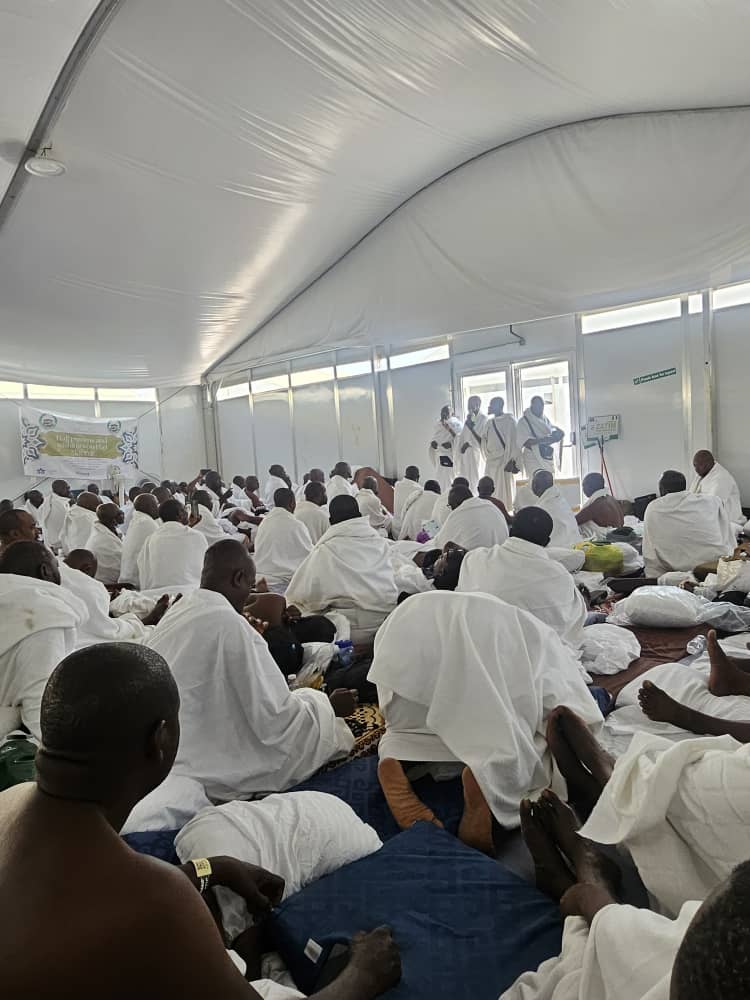
Patience is one of the greatest qualities a Muslim can possess, and there are few places where it is tested more than during Umrah. Every year, millions of pilgrims from different countries, cultures, and backgrounds gather in Makkah and Madinah to worship Allah. While this gathering is a beautiful manifestation of the unity of the Muslim Ummah, it also presents challenges that require patience, understanding, and self-control.
Many intending pilgrims imagine that every moment of Umrah will be calm and peaceful. In reality, they may encounter crowded walkways, long queues, delayed transport, hot weather, language barriers, and physical exhaustion. These experiences are part of the journey and should not come as a surprise.
A pilgrim who understands this before travelling is better prepared to respond positively when difficulties arise.
Patience begins even before arriving in Saudi Arabia. Flight delays, immigration procedures, baggage collection, and hotel check-ins may not always go according to plan. Becoming angry or frustrated over situations beyond one’s control does not improve the situation. Instead, it takes away from the spiritual focus that should define the journey.
One of the greatest tests of patience occurs in Masjid al-Haram.
During Tawaf, pilgrims move together in large numbers around the Ka’bah. There may be moments when movement becomes slow, people unintentionally step on one another’s feet, or someone accidentally bumps into another pilgrim.
In these situations, it is important to remember why you came.
The purpose of Umrah is to worship Allah, not to compete for space or argue with fellow Muslims. Responding with kindness and restraint reflects the character that Islam encourages.
The same applies during Sa’i between Safa and Marwah. The area can become crowded, particularly during peak seasons. Rushing unnecessarily or pushing others only creates hardship for everyone. A pilgrim should complete the ritual with dignity, patience, and consideration for others.
Patience is also required when dealing with fellow travellers.
You may be sharing a hotel room with people who have different habits.
You may travel with elderly pilgrims who need additional assistance.
You may have to wait while group members are accounted for before moving to the next destination.
These moments provide opportunities to demonstrate good manners rather than impatience.
Another important area is dealing with hotel services and travel arrangements.
Meals may be delayed.
Lifts may be crowded.
Transport may arrive later than expected.
These inconveniences are common during periods when millions of people are visiting the same places. Complaining constantly or becoming angry over every inconvenience distracts a pilgrim from the real purpose of the journey.
Patience should also extend to interactions with workers and volunteers.
Hotel staff, cleaners, drivers, security personnel, and those serving pilgrims often work long hours under demanding conditions. Treating them with respect, speaking politely, and showing appreciation reflects Islamic character.
Physical fatigue is another challenge that requires patience.
Umrah involves considerable walking, especially during Tawaf, Sa’i, and the journey between the hotel and the Haram. Combined with high temperatures and changes in routine, tiredness is normal. Pilgrims should pace themselves, stay hydrated, and avoid unnecessary exertion while remaining grateful for the opportunity to worship.
One mistake some pilgrims make is expecting everything to be perfect.
No journey involving millions of people is free from challenges. The believer who accepts this reality is less likely to become frustrated and more likely to remain focused on worship.
It is also important to remember that patience itself is an act of worship.
Every moment in which a pilgrim controls their anger, forgives someone who inconveniences them, or remains calm during difficulty is an opportunity to earn reward from Allah.
When pilgrims return home, they often remember not only the rituals they performed but also the lessons they learned. Among those lessons, patience is one of the most valuable.
A successful Umrah is not simply one in which Tawaf and Sa’i are completed correctly. It is one in which the pilgrim returns with stronger faith, better character, and a greater ability to remain patient in the face of life’s challenges.
Those who carry that patience home have truly benefited from their journey to the sacred cities.
