


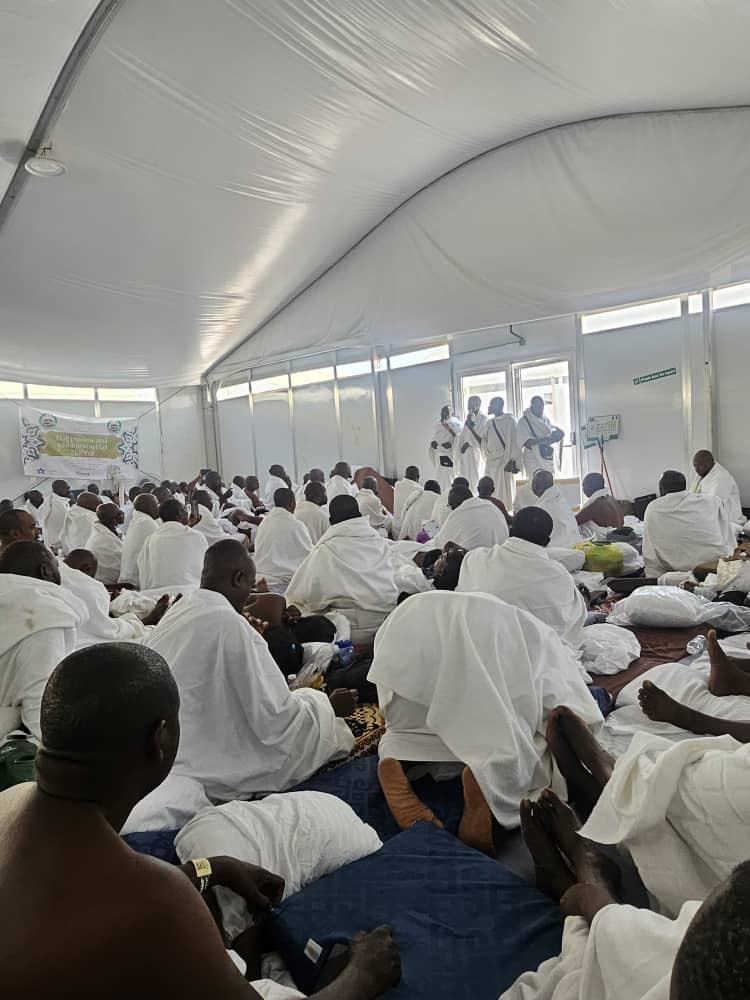
One of the most powerful sights during Hajj is seeing millions of pilgrims dressed in ihram. Regardless of nationality, language, social status, or profession, everyone appears similar before Allah. The simple white garments strip away many of the distinctions that people often attach importance to in worldly life.
For days, pilgrims live in a state that constantly reminds them of humility, obedience, and devotion.
Then Hajj begins to end.
The rites are completed.
Tawaf al-Wida is performed.
Bags are packed.
Flights are booked.
And eventually, the white ihram comes off.
At that moment, an important question emerges:
What happens now?
THE IHRAM WAS NEVER THE FINAL GOAL
Many people focus on the physical garment of ihram, but the clothing itself was never the ultimate objective.
The purpose of ihram is to teach lessons.
It teaches simplicity.
It teaches self-restraint.
It teaches obedience to Allah.
It teaches equality among believers.
Removing the garment does not mean removing those lessons.
A successful pilgrim carries the spirit of ihram home even after changing clothes.
RETURNING TO ORDINARY LIFE
After leaving Makkah, life gradually returns to normal.
Work resumes.
Businesses reopen.
Family responsibilities return.
Daily routines become familiar again.
This transition can be difficult.
During Hajj, almost every part of the day revolves around worship.
After Hajj, distractions quickly reappear.
Many pilgrims discover that maintaining spiritual momentum requires effort.
The environment that supported worship is no longer surrounding them.
Now worship must come from personal commitment.
DON’T LEAVE YOUR BEST SELF IN MAKKAH
During Hajj, many pilgrims become the best version of themselves.
They are patient.
They are generous.
They control their anger.
They spend time remembering Allah.
They avoid arguments.
They become more careful with their words.
The tragedy would be returning home and leaving those qualities behind in Makkah.
The goal of Hajj is not temporary goodness.
The goal is lasting transformation.
The people who know you should notice positive changes after your return.
PROTECT THE HABITS YOU BUILT
One reason some pilgrims struggle after Hajj is that they attempt to maintain every single practice at once.
Instead, focus on preserving key habits.
Protect:
- the five daily prayers
- regular Qur’an recitation
- daily dhikr
- sincere dua
- good character
Consistency is more important than intensity.
Small acts performed regularly often have greater impact than large acts performed occasionally.
REMEMBER WHAT YOU ASKED ALLAH FOR
Think back to the duas you made during Hajj.
Think about the promises you made to yourself.
Think about the moments in Arafah when you asked Allah for forgiveness, guidance, and change.
Those duas should continue influencing your actions.
If you asked Allah to make you better, then continue striving to become better.
If you asked Allah to remove certain sins, then continue fighting those sins.
Hajj should not become a beautiful memory disconnected from daily life.
IT IS POSSIBLE TO RETURN HOME WITHOUT RETURNING TO YOUR OLD SELF
Many pilgrims fear losing the spiritual feeling they experienced during Hajj.
While emotions naturally rise and fall, growth does not have to disappear.
The goal is not to recreate every feeling from Makkah.
The goal is to preserve the lessons learned there.
A person may leave the Haram physically while still carrying its impact within their heart.
FINAL THOUGHTS
The removal of the ihram marks the end of certain rites, but it does not mark the end of the believer’s responsibility.
In many ways, it marks the beginning of the real challenge.
Because anyone can wear ihram for a few days.
The greater achievement is carrying its lessons for the rest of one’s life.
The most successful pilgrim is not the one who simply completed Hajj.
The most successful pilgrim is the one who returns home and continues living with the sincerity, humility, patience, and devotion that Hajj was meant to teach.
