


As pilgrims complete Tawaf al-Wida and prepare to leave Makkah, a question naturally arises: How do I know if Hajj truly benefited me?
Many pilgrims worry about whether their Hajj has been accepted. While only Allah knows the acceptance of deeds, scholars have long mentioned that one of the signs of a good deed being accepted is that it leads to more good deeds afterward.
The true impact of Hajj is not measured by the number of photographs taken, the souvenirs brought home, or even the emotions experienced during the journey.
The real impact is seen in what changes after the journey.
YOU BECOME MORE CONSISTENT IN PRAYER
One of the clearest signs of a beneficial Hajj is a stronger commitment to salah.
During Hajj, pilgrims organize their lives around prayer times.
They walk long distances to pray.
They adjust their schedules for prayer.
They make worship the center of their day.
If a pilgrim returns home and continues protecting the five daily prayers carefully, this is a positive sign that the lessons of Hajj remain alive.
YOUR HEART FEELS DIFFERENT TOWARD SIN
Before Hajj, certain sins may have seemed small or easy to overlook.
After spending days in worship, repentance, and remembrance of Allah, many pilgrims find that their attitude toward sin changes.
The heart becomes more sensitive.
Actions that once felt normal begin to feel uncomfortable.
This increased awareness can be a sign of spiritual growth.
YOU VALUE THE QUR’AN MORE
Many pilgrims spend time reciting and listening to the Qur’an throughout their journey.
A beneficial Hajj often strengthens the relationship between a believer and the Book of Allah.
If you find yourself reading the Qur’an more regularly after Hajj, reflecting on its meanings, and trying to implement its teachings, this is among the most beautiful outcomes of the pilgrimage.
YOUR CHARACTER IMPROVES
Hajj is not only a school of worship.
It is also a school of character.
The crowds, delays, fatigue, and challenges of pilgrimage teach patience and self-control.
A successful pilgrim should return home more:
- patient
- forgiving
- humble
- generous
- respectful
- understanding
Often, the people closest to you notice these changes before you do.
YOU THINK MORE ABOUT THE HEREAFTER
One of the lessons of Hajj is that life is temporary.
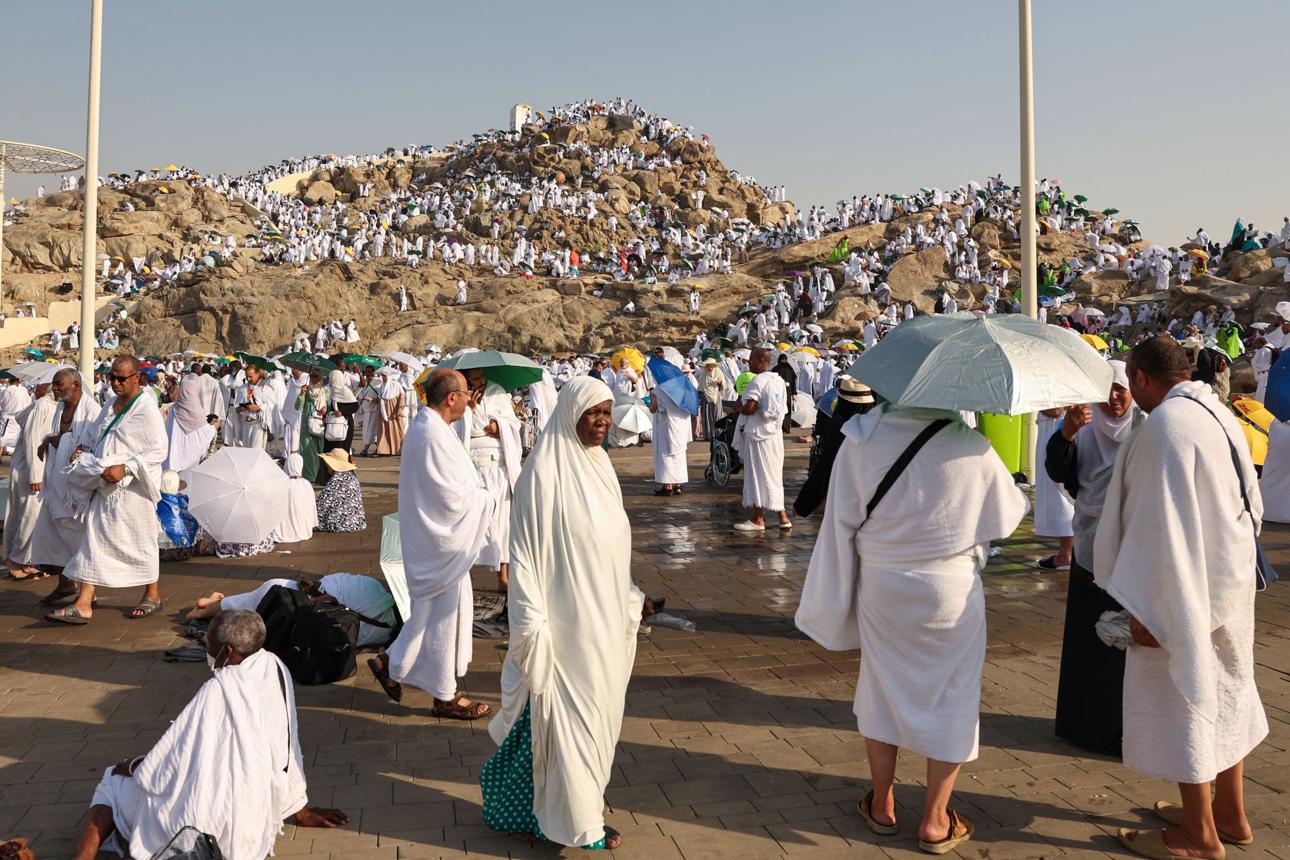
The sight of millions dressed similarly in ihram reminds pilgrims of the Day of Resurrection.
The standing at Arafah reminds them of standing before Allah.
These reflections should not disappear after returning home.
A pilgrim whose Hajj was meaningful often becomes more conscious of the Hereafter and more focused on preparing for it.
YOU MISS THE SACRED PLACES
Many pilgrims find themselves longing for Makkah after returning home.
They miss:
- the Kaaba
- the adhan in the Haram
- the atmosphere of worship
- the feeling of being surrounded by fellow believers
This longing can be a positive sign if it motivates greater worship and gratitude.
YOU CONTINUE MAKING DUA
During Hajj, pilgrims make countless supplications.
A changed pilgrim does not stop making dua after returning home.
Instead, they maintain the habit of turning to Allah regularly, recognizing that the same Lord who heard them beside the Kaaba hears them wherever they are.
FINAL THOUGHTS
The most important question after Hajj is not how many rituals were completed.
The most important question is what remains after the rituals are over.
If prayer becomes stronger, character improves, sins decrease, gratitude increases, and the connection with Allah deepens, then these are hopeful signs that the journey left its mark.
The tents of Mina will eventually be removed.
The crowds of Hajj will disperse.
The journey home will be completed.
But the best Hajj is the one that continues shaping a person’s life long after they have left the Sacred House.
