


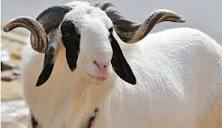
Every year during Eid al-Adha, Muslims across the world perform the sacrifice of animals. For some people watching from outside the faith, it may seem like a simple tradition repeated annually. Even among Muslims, some only see it as a routine part of the celebration. But the act of sacrifice carries lessons far deeper than the slaughter itself.
The sacrifice, known as Qurbani or Udhiyah, traces back to the story of Prophet Ibrahim (AS). Allah tested him with a command that touched the deepest part of his heart: sacrificing his beloved son.
Prophet Ibrahim (AS) had waited many years for a child. His son was not merely someone he loved; he was a gift after years of longing and prayer. Yet when Allah commanded him, Ibrahim (AS) submitted completely.
The remarkable part of the story was not only the father’s obedience but also the willingness of the son to submit to Allah’s command.
As Prophet Ibrahim (AS) prepared to carry out what Allah commanded, Allah replaced the sacrifice with a ram.
From that moment onward, believers were left with a lesson that continues until today: Allah does not need human suffering or loss; He tests hearts to reveal sincerity and obedience.
When Muslims sacrifice an animal during Eid al-Adha, they are not reenacting a tragedy. They are commemorating faith, submission and trust in Allah.
Allah says in the Qur’an:
“It is neither their meat nor their blood that reaches Allah, but what reaches Him is your piety.”
This verse changes the entire perspective of sacrifice. The value is not in the amount spent, the size of the animal or public display. What reaches Allah is sincerity and consciousness of Him.
The sacrifice also teaches generosity. Traditionally, the meat is shared with family, friends and those in need. In many communities, families who rarely eat meat during the year are able to enjoy meals because of Qurbani.
Eid therefore becomes more than personal celebration; it becomes an opportunity to care for others.
Beyond animals, Eid al-Adha also invites believers to think about another form of sacrifice: the sacrifices required in daily life.
Some people need to sacrifice sinful habits. Some need to sacrifice pride. Others may need to sacrifice grudges, unhealthy relationships or actions that distance them from Allah.
The question of Eid is not only, “What animal did you sacrifice?” It is also, “What part of yourself are you willing to surrender for Allah?”
As Muslims prepare for Eid, may we remember that the greatest lessons of sacrifice are obedience, generosity and sincerity.
May Allah accept our worship, our sacrifices and our efforts to draw closer to Him. Ameen.
