


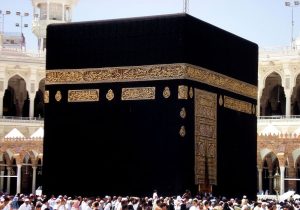
Umrah often called the “lesser pilgrimage” is far more than a journey of rituals; it is a journey of renewal. It is a sacred invitation from Allah ﷻ, a call to cleanse the heart, renew faith, and return to Him in complete submission. For every pilgrim who sets foot in Makkah, this journey becomes a deeply personal conversation between the soul and its Creator.
A CALL FROM ALLAH, NOT A PLAN OF MAN
No one reaches the House of Allah by coincidence. Every step toward Makkah begins with a divine call a spiritual pull that transcends time, money, and means. Many desire to go, but only those whom Allah chooses find their way. The Prophet Muhammad ﷺ said:
“The guests of Allah are three: the Ghazi (one who fights in the path of Allah), the Hajj, and the Mu‘tamir (one who performs Umrah).”
(Ibn Majah)
To be called to Umrah is to be honored by Allah Himself invited to cleanse the dust of dunya from your soul and return renewed in heart and purpose.
LEAVING THE WORLD BEHIND
The journey begins with ihram, a simple garment that strips away status, wealth, and ego. In those two unstitched pieces of cloth, every pilgrim stands equal a reminder that before Allah, titles and possessions mean nothing.
Ihram teaches humility. It whispers: You came into this world with nothing, and to Allah you will return the same way. It’s a physical act of surrender, a declaration that the heart is ready to detach from the world and attach itself fully to Allah.
TAWAF: CIRCLING THE HEART AROUND ALLAH
As the believer walks around the Ka‘bah, each circle represents a commitment to purify the heart, seek forgiveness, and place Allah at the center of life. The Ka‘bah becomes a mirror reflecting the heart’s desire: to revolve around the One who created it.
Each turn around the Ka‘bah removes a layer of distraction, ego, and sin. The rhythm of movement, the harmony of voices reciting Labbaik Allahumma labbaik “Here I am, O Allah, here I am” is the anthem of servitude, a reaffirmation that the heart belongs only to Him.
SA‘I: WALKING WITH HOPE AND TRUST
Between the hills of Safa and Marwah lies one of the most profound lessons of faith. Hajar, the mother of Prophet Isma‘il (عليه السلام), ran back and forth in search of water alone, desperate, yet full of trust in Allah. Her struggle became the eternal symbol of tawakkul (trust in Allah).
Every pilgrim retraces her footsteps, not just physically but spiritually running between hope and patience, between effort and reliance. Sa‘i reminds us that while we strive, it is Allah who provides.
THE WELL OF ZAMZAM: A DRINK OF FAITH
The spring of Zamzam, gushing forth at Hajar’s feet, is a living miracle a symbol of divine mercy. Drinking Zamzam is not only a physical refreshment but a spiritual one, for the Prophet ﷺ said:
“The water of Zamzam is for whatever it is drunk for.”
(Ibn Majah)
With every sip, the believer renews intention to be forgiven, guided, healed, and drawn closer to Allah.
A SACRED GOODBYE WITH A RENEWED HEART
The final tawaf al-wada‘ (farewell tawaf) is bittersweet. The heart aches to leave the sacred sanctuary but finds peace in knowing that Makkah never leaves the believer. The Ka‘bah becomes imprinted in the heart a reminder that Allah’s house is not only in Makkah, but within the heart that remembers Him constantly.
When a pilgrim returns home, they carry more than souvenirs they carry peace, humility, and a heart renewed by the closeness of Allah.
UMRAH AS A SPIRITUAL RESET
The Prophet ﷺ said:
“From one Umrah to another is an expiation for what is between them.”
(Bukhari and Muslim)
Every Umrah wipes away sins, refines the soul, and renews the connection between servant and Lord. It is a chance to begin again to shed the weight of sin and walk forward with a lighter, purer heart.
This journey teaches that Allah’s mercy is always open. You do not have to wait for Hajj to be forgiven every step toward His house is a step toward redemption.
RETURNING DIFFERENT THAN YOU LEFT
Umrah is not complete when the rituals end; it is complete when the heart changes. The real goal is to return home with renewed iman (faith), softer hearts, and a stronger will to live according to the Qur’an and Sunnah.
The pilgrim who returns unchanged has only traveled with the body not the soul. But the one who returns humbled, more conscious of Allah, and filled with gratitude has truly performed Umrah.
