

THE PAIN OF BEING JUDGED BY OTHER MUSLIMS: WHEN THE PEOPLE WHO SHOULD UNDERSTAND YOU BECOME THE ONES WHO HURT YOU

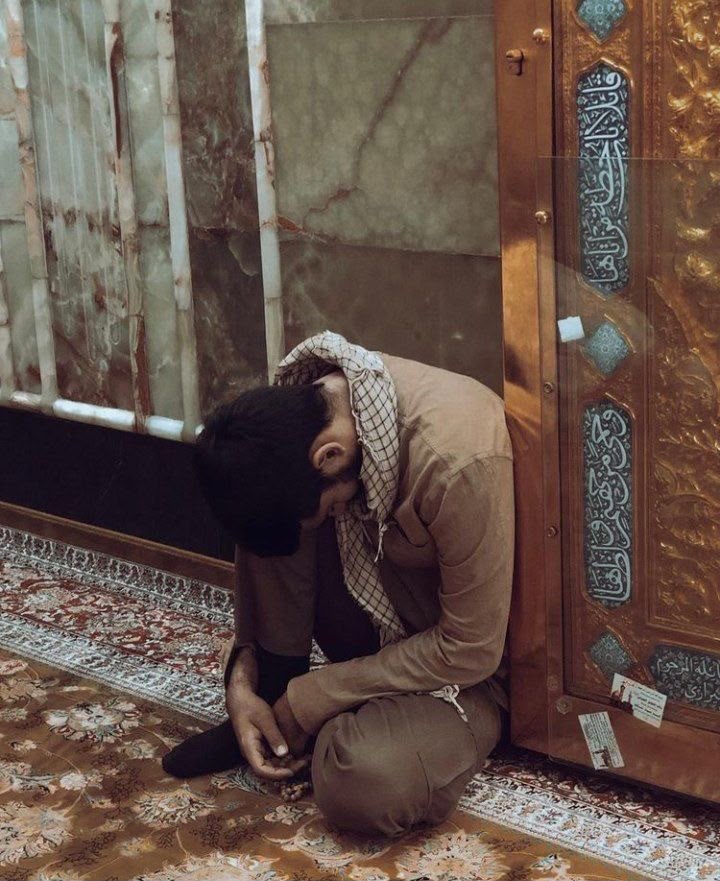
One of the most painful experiences a Muslim can go through is being judged by other Muslims.
You expect understanding from people who share your faith. You expect compassion from people who know the importance of mercy, forgiveness, and good character. You expect your fellow Muslims to understand that nobody is perfect and that every human being has weaknesses.
But sometimes, the very people you expect to encourage you become the ones who make you feel ashamed.
They judge your past without considering your repentance. They criticise your struggles without knowing what you are going through. They remind you of your mistakes even when you are making sincere efforts to change.
They see your shortcomings but overlook your efforts.
They remember who you used to be but refuse to acknowledge who you are trying to become.
And sometimes, their words hurt so deeply that you begin questioning your worth, your place among Muslims, and even your ability to become a better servant of Allah.
But there is something every Muslim must understand: Being a good Muslim does not give anyone the right to humiliate another Muslim.
Islam teaches us to correct one another with wisdom, advise one another with sincerity, and treat one another with mercy.
Let us reflect on this important issue.
1. NOBODY HAS THE RIGHT TO ACT AS THOUGH THEY HAVE NEVER SINNED
One of the greatest problems among people is forgetting their own imperfections while constantly examining the mistakes of others.
Some Muslims behave as though they have never struggled with sin, never made mistakes, and never needed Allah’s forgiveness.
They quickly identify the weaknesses of others but rarely examine their own hearts.
They criticise someone’s appearance, religious knowledge, past decisions, family circumstances, or personal struggles without remembering that they, too, are servants in need of Allah’s mercy.
Allah says:
“So do not claim yourselves to be pure; He is most knowing of who fears Him.”
(Qur’an 53:32)
This verse is a powerful reminder against self-righteousness.
You may be more knowledgeable than someone, but that does not make you superior in the sight of Allah.
You may perform more voluntary acts of worship, but that does not give you permission to look down on another person.
You may have avoided certain sins, but that does not mean you are guaranteed to remain free from trials.
Never allow your religious practice to become a reason for arrogance.
The purpose of knowledge and worship is to bring you closer to Allah, not to make you feel entitled to humiliate His servants.
2. YOU DO NOT KNOW WHAT SOMEONE IS FIGHTING IN PRIVATE
Sometimes, the person you are judging is fighting a battle you know absolutely nothing about.
You see someone struggling to maintain their prayers, but you do not know the emotional and spiritual difficulties they are facing.
You see someone who has made mistakes, but you do not know how many nights they have spent crying and asking Allah for forgiveness.
You see someone who is not where you think they should be religiously, but you do not know how hard they are trying to improve.
You see the outside, but Allah knows what is inside.
This is why we must be careful about judging people.
The Prophet Muhammad ﷺ said:
“Whoever believes in Allah and the Last Day should speak good or remain silent.”
(Sahih al-Bukhari 6018; Sahih Muslim 47)
Not every observation needs to become a comment.
Not every mistake needs to become a public discussion.
Not every weakness needs to become something you announce to others.
Sometimes, the most Islamic thing you can do is remain silent, make du’a for someone, and offer sincere advice when appropriate.
Remember, you are not aware of every tear, every private repentance, or every struggle that takes place behind closed doors.
3. SOME PEOPLE USE RELIGION TO JUSTIFY THEIR CRUELTY
This is a painful reality that deserves attention.
Some people speak about Islam but forget the manners Islam teaches.
They quote religious reminders but speak to others with arrogance.
They correct people through humiliation.
They expose people’s mistakes in the name of advising them.
They use harsh words and then defend their behaviour by saying, “I am only telling you the truth.”
But telling the truth does not give you permission to abandon good character.
Islam does not teach us to correct people through unnecessary humiliation.
Allah instructed Prophet Musa and Prophet Harun (peace be upon them) to speak gently even when approaching Pharaoh.
Allah says:
“And speak to him with gentle speech that perhaps he may be reminded or fear [Allah].”
(Qur’an 20:44)
If gentleness was commanded even when addressing Pharaoh, how much more should we consider our manner when advising fellow believers?
There is a difference between correcting someone and crushing their spirit.
There is a difference between sincere advice and public embarrassment.
There is a difference between standing for the truth and using religion as an excuse to mistreat people.
Do not allow your desire to correct others to make you forget the Islamic obligation of good character.
4. YOUR PAST DOES NOT GIVE PEOPLE PERMISSION TO HUMILIATE YOU FOREVER
Perhaps you made mistakes before becoming more conscious of your relationship with Allah.
Perhaps your past includes things you are deeply ashamed of.
Perhaps people remember the person you used to be and refuse to accept that you are trying to change.
Every time you attempt to improve, someone reminds you of your old mistakes.
Every time you make progress, someone brings up your history.
And gradually, you begin feeling as though you will never be allowed to become a better person.
But remember this: sincere repentance is between you and Allah, and nobody should make you feel that your past mistakes permanently disqualify you from seeking His mercy.
Allah says:
“Except for those who repent, believe and do righteous work. For them Allah will replace their evil deeds with good.”
(Qur’an 25:70)
Look at the beauty of Allah’s mercy.
The person who sincerely repents is not instructed to spend the rest of their life believing they are beyond hope.
They are encouraged to believe, do righteous deeds, and continue moving towards Allah.
If Allah opens the door of repentance for someone, why should another human being behave as though they have the authority to permanently close that door?
Do not let people convince you that your past is stronger than Allah’s mercy.
And if you are the one holding someone’s past against them, remember that you may one day need the same understanding you are refusing to give.
5. CORRECTING SOMEONE IS NOT THE SAME AS JUDGING THEM
Islam encourages Muslims to advise one another and promote what is right.
However, advice should come from sincerity, not a desire to establish superiority.
There are people who genuinely want to see others improve. They advise privately, speak respectfully, and remember their own weaknesses.
Then there are people who appear more interested in proving that someone else is wrong.
They do not correct to help. They correct to embarrass.
They do not advise to encourage repentance. They advise in ways that make others feel worthless.
The Prophet ﷺ said:
“Religion is sincere advice.”
(Sahih Muslim 55)
Sincere advice requires sincerity in intention and wisdom in delivery.
Before correcting another Muslim, ask yourself:
- Am I doing this because I genuinely want them to improve?
- Am I speaking with kindness?
- Am I correcting their behaviour or attacking their dignity?
- Would I be comfortable receiving this same advice in this manner?
- Am I remembering my own need for Allah’s forgiveness?
The way you advise someone can determine whether your words become a source of encouragement or another wound they carry.
6. DO NOT ALLOW PEOPLE’S JUDGEMENT TO DISTANCE YOU FROM ALLAH
This is perhaps the most important reminder.
Sometimes, being judged by other Muslims can make a person withdraw from religious gatherings, stop asking questions, avoid the mosque, or feel ashamed of practising Islam.
Someone who genuinely wants to learn may become afraid of asking questions because they do not want to be mocked.
Someone trying to return to prayer may feel discouraged because people keep reminding them of their previous neglect.
Someone who wants to dress more modestly may become overwhelmed by criticism from those who believe their efforts are not good enough.
But please, do not allow people’s behaviour to become a barrier between you and Allah.
You are worshipping Allah, not seeking the approval of human beings.
If you have made mistakes, repent.
If you lack knowledge, seek it.
If you are struggling, ask Allah for strength.
If you need guidance, approach knowledgeable and trustworthy people.
But do not abandon your relationship with Allah because some people have failed to treat you with compassion.
Your relationship with Allah is too precious to sacrifice because of people’s opinions.
7. THE TONGUE CAN DESTROY BROTHERHOOD
Some Muslims underestimate the damage caused by their words.
A single statement can embarrass someone.
A careless joke can make another person feel inferior.
A rumour can destroy someone’s reputation.
Backbiting can turn someone’s private weakness into public entertainment.
Allah gives a powerful warning against backbiting:
“And do not backbite each other. Would one of you like to eat the flesh of his brother when dead? You would detest it.”
(Qur’an 49:12)
Notice how strongly Allah describes this behaviour.
Backbiting is not harmless conversation.
It is not acceptable simply because the person being discussed is not present.
And it is not made righteous because the discussion involves someone’s religious shortcomings.
Before discussing another Muslim’s mistakes, remember that you are accountable for your own words.
Do not make someone’s struggle the subject of your entertainment.
Do not turn their private affairs into public gossip.
Do not destroy a person’s dignity to make yourself feel more righteous.
8. SOMETIMES, YOU MUST LEARN TO WALK AWAY FROM PEOPLE WHO CONSTANTLY HUMILIATE YOU
Islam teaches patience, forgiveness, and maintaining good relationships.
However, patience does not mean you must continually expose yourself to humiliation, emotional harm, or mistreatment.
You can forgive someone without allowing them unlimited access to hurt you.
You can wish someone well while maintaining appropriate boundaries.
You can avoid unnecessary arguments without accepting every accusation made against you.
You can distance yourself from harmful environments while maintaining the Islamic manners of respect and fairness.
Not every confrontation deserves your response.
Not every accusation deserves an explanation.
Not every person will understand your journey.
Sometimes, protecting your peace means refusing to participate in conversations that bring nothing but humiliation and hostility.
Just remember that boundaries should not become an excuse for injustice, arrogance, or cutting off family ties without considering their Islamic rights.
Respond with wisdom, not revenge.
9. NEVER BECOME THE PERSON WHO HURT YOU
There is another side to this discussion.
If you have experienced the pain of being judged, do not allow that experience to turn you into someone who judges others.
Do not become harsh simply because someone was harsh towards you.
Do not humiliate people because you were once humiliated.
Do not expose someone’s weaknesses because others exposed yours.
Do not use your religious knowledge to intimidate people.
Sometimes, those who have been hurt begin repeating the same behaviour they once complained about.
But a believer should strive to break that cycle.
If someone approaches you with a sincere question, answer with kindness.
If someone is struggling, encourage them.
If someone makes a mistake, advise them with wisdom.
If someone is trying to return to Allah, do not make their journey unnecessarily difficult.
Remember that you, too, are in need of guidance.
The mercy you wish to receive is the mercy you should strive to show others.
10. REMEMBER THAT ALLAH KNOWS THE TRUTH ABOUT YOU
People may misunderstand your intentions.
They may misinterpret your silence.
They may judge your circumstances without knowing the full story.
They may believe things about you that are not true.
And sometimes, no matter how carefully you explain yourself, they may refuse to understand.
But Allah knows.
He knows what happened.
He knows what you intended.
He knows the tears you shed when nobody was watching.
He knows the mistakes you regret.
He knows the efforts you are making to become better.
He knows whether your repentance is sincere.
This does not mean that we should ignore accountability or refuse correction. Rather, it reminds us that people’s opinions are not the ultimate measure of our worth.
Your responsibility is to fear Allah, correct your mistakes, fulfil the rights of others, and continue striving towards righteousness.
Do not spend your entire life trying to convince everyone that you are a good person.
Concentrate on becoming a better servant of Allah.
A FINAL REMINDER: BE CAREFUL HOW YOU TREAT THE PEOPLE ALLAH CREATED
Dear brother and sister in Islam, the Muslim community should be a place where people are encouraged towards goodness, not a place where they are constantly reminded that they are not good enough.
We should be able to advise one another without humiliation.
We should be able to correct one another without arrogance.
We should be able to acknowledge someone’s mistakes without destroying their dignity.
And we should remember that every single one of us needs Allah’s forgiveness.
If you have been judged unfairly, do not let bitterness consume your heart. Continue seeking Allah, correcting your mistakes, and working towards becoming better.
If you have been guilty of judging others, take a moment to repent and reconsider how you treat people.
You never know what someone is going through.
You never know how much courage it took for someone to begin practising Islam again.
You never know how many times someone has fallen and struggled to stand up.
And you never know whether the person you look down upon may be closer to Allah through sincere repentance than you realise.
Never mistake religious knowledge for permission to look down on others. Never mistake correcting someone for humiliating them. And never forget that the same Allah whose mercy you seek is the Allah whose mercy others desperately need.
DU’A
May Allah purify our hearts from arrogance, jealousy, pride, and the desire to humiliate others.
May Allah protect us from judging people unjustly and make us among those who advise with wisdom, correct with gentleness, and treat others with compassion.
May Allah heal the hearts of Muslims who have been hurt by harsh words, public humiliation, false accusations, and the judgement of others.
May He grant us the strength to forgive, the wisdom to establish healthy boundaries, and the humility to recognise our own shortcomings.
May Allah never allow our religious knowledge to become a source of arrogance, and may He make our character a reflection of the mercy and beautiful teachings of Islam.
May Allah forgive our shortcomings, conceal our faults, accept our repentance, and grant us all a beautiful ending.
Ameen Ya Rabbal Aalameen.
