


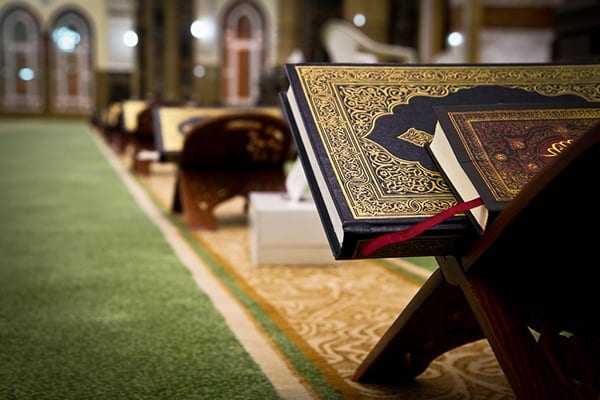
Umrah is one of the most beautiful and spiritually uplifting journeys a Muslim can undertake. It is a journey of faith, sacrifice, repentance, devotion, and renewed commitment to Allah (SWT). From standing before the Ka’bah to performing Tawaf, walking between Safa and Marwah, and making heartfelt supplications in the sacred places, every moment of Umrah offers an opportunity to reconnect with our Creator.
However, one important question every pilgrim should ask is: What happens after returning home?
The true value of Umrah should not end when we leave Makkah or Madinah. Rather, the spiritual lessons, good habits, and renewed relationship with Allah developed during the journey should continue to shape our daily lives.
Returning home after Umrah can sometimes be challenging. The peaceful atmosphere of the Haram, the frequent prayers, the recitation of the Qur’an, and the constant remembrance of Allah may gradually give way to the distractions and responsibilities of everyday life.
Nevertheless, maintaining the spiritual benefits of Umrah is possible when we remain intentional about our faith and continue practising the good deeds we developed during our pilgrimage.
Here are practical ways to preserve the spiritual blessings of Umrah long after returning home.
1. Maintain Your Five Daily Prayers
One of the greatest lessons of Umrah is the importance of establishing a strong relationship with Allah through Salah.
During Umrah, many pilgrims become more conscious of their prayers. They strive to pray on time, attend congregational prayers, and spend more time in worship.
After returning home, make every effort to maintain this commitment.
- Observe all five daily prayers at their appointed times.
- Pray in congregation at the mosque whenever possible, particularly for men.
- Avoid delaying Salah because of work, business, social activities, or other commitments.
- Take time to reflect on the meaning of what you recite during prayer.
Remember that the same Allah you worshipped in Makkah is the Allah you worship at home. Your devotion should not depend on your location.
2. Make the Qur’an Part of Your Daily Routine
The atmosphere of Makkah and Madinah often inspires pilgrims to recite the Qur’an more frequently.
Many people develop the habit of reading several pages or even completing portions of the Qur’an daily during Umrah. The challenge is maintaining that habit after returning home.
You do not have to read many pages at once. What matters is consistency.
Consider setting aside 15–30 minutes every day for Qur’an recitation. You can also:
- Read a few verses after Fajr.
- Study the translation to understand the message of Allah.
- Listen to Qur’an recitation while travelling or performing household activities.
- Memorise short surahs and important verses.
- Reflect on how the Qur’an can guide your decisions and behaviour.
The Qur’an should remain your daily companion, not just a book you read during special occasions.
3. Continue Making Dhikr and Seeking Forgiveness
One of the beautiful habits developed during Umrah is constant remembrance of Allah (Dhikr).
Whether performing Tawaf, walking between Safa and Marwah, or sitting in the Haram, pilgrims frequently engage in supplication and remembrance.
Do not allow this beautiful habit to disappear after returning home.
Make Dhikr part of your everyday activities. Remember Allah while travelling, working, cooking, resting, and carrying out your responsibilities.
Some simple forms of Dhikr include:
- SubhanAllah (Glory be to Allah).
- Alhamdulillah (All praise is due to Allah).
- Allahu Akbar (Allah is the Greatest).
- Astaghfirullah (I seek forgiveness from Allah).
- La ilaha illallah (There is no deity worthy of worship except Allah).
- Sending Salawat upon Prophet Muhammad (peace and blessings be upon him).
The Prophet Muhammad (peace be upon him) encouraged remembering Allah frequently. Consistent Dhikr keeps the heart connected to its Creator and reminds us of our purpose in life.
4. Protect the Good Character You Developed During Umrah
Umrah is not only about performing religious rituals; it is also an opportunity to improve our character.
During the pilgrimage, we learn patience, humility, tolerance, kindness, self-control, and consideration for others.
We encounter people from different countries, cultures, languages, and backgrounds. We learn to share space, wait patiently, respect others, and avoid unnecessary arguments.
These lessons should continue after returning home.
Make a conscious effort to:
- Be patient with family members and colleagues.
- Avoid gossip, backbiting, and spreading rumours.
- Speak kindly, even when you disagree with someone.
- Forgive those who offend you.
- Treat people with respect, regardless of their social or financial status.
- Avoid arrogance and showing off because you have performed Umrah.
A person who returns from Umrah should strive to demonstrate positive changes in their behaviour.
The beauty of your pilgrimage should be reflected not only in your appearance but also in your attitude towards others.
5. Stay Away from Sins and Bad Habits
One of the strongest reasons people undertake Umrah is to seek Allah’s forgiveness and become better Muslims.
Returning home should therefore mark a renewed commitment to avoiding sins and abandoning harmful habits.
Perhaps you made sincere repentance during Tawaf. Perhaps you cried while making Du’a and promised Allah that you would change certain aspects of your life.
Do not forget those moments.
Identify the habits that weaken your relationship with Allah and take practical steps to overcome them.
These may include:
- Missing or delaying prayers.
- Engaging in gossip and backbiting.
- Watching inappropriate content.
- Dishonesty in business transactions.
- Neglecting family responsibilities.
- Maintaining harmful relationships.
- Allowing anger, jealousy, and pride to control your behaviour.
Remember that nobody is perfect. If you make a mistake, do not lose hope. Return to Allah through sincere repentance and keep striving to improve.
Allah’s mercy is greater than our shortcomings.
6. Continue Making Du’a
During Umrah, many pilgrims spend considerable time making Du’a for themselves, their families, friends, communities, and the entire Muslim Ummah.
The sacred experience often makes supplication more heartfelt and meaningful.
However, Du’a should not stop when you leave the holy cities.
Continue speaking to Allah about your needs, challenges, fears, hopes, and aspirations.
Ask Allah for:
- Forgiveness for your past mistakes.
- Steadfastness in faith.
- Protection from temptation and wrongdoing.
- Blessings in your family, health, and livelihood.
- Guidance for your children and loved ones.
- A peaceful and righteous life.
- Acceptance of your Umrah.
- The opportunity to visit His sacred House again.
Never underestimate the power of sincere supplication. Make Du’a regularly, both in times of difficulty and in moments of happiness.
7. Maintain Good Company
The people we associate with can significantly influence our faith and behaviour.
During Umrah, you may have experienced the beauty of worshipping alongside people who remind you of Allah and encourage you to do good.
After returning home, make an effort to maintain relationships with righteous people.
Surround yourself with individuals who:
- Encourage you to observe your prayers.
- Remind you of Allah and the teachings of Islam.
- Encourage you to read and understand the Qur’an.
- Inspire you to give charity and help others.
- Correct you with kindness when you make mistakes.
Attend Islamic lectures, join beneficial study circles, and maintain connections with fellow pilgrims who share your commitment to improving their relationship with Allah.
Good company can help you remain steadfast when your spiritual enthusiasm begins to decline.
8. Make Charity and Helping Others a Habit
Umrah teaches us the importance of compassion, generosity, and concern for others.
The experience of meeting Muslims from different backgrounds can remind us that we are part of one Ummah.
Continue expressing your gratitude to Allah by helping those in need.
You can do this by:
- Giving regular Sadaqah, regardless of the amount.
- Supporting orphans and vulnerable children.
- Providing food for the less privileged.
- Helping struggling families.
- Supporting Islamic educational initiatives.
- Visiting the sick and assisting the elderly.
- Helping neighbours and members of your community.
Charity does not always have to involve money. A kind word, a helping hand, a sincere smile, or resolving a disagreement can also be acts of goodness.
Let the compassion you experienced during Umrah become part of your everyday life.
9. Practise Patience and Gratitude
Umrah reminds us that life is a journey filled with tests, sacrifices, and opportunities to draw closer to Allah.
During the pilgrimage, there may have been moments of physical exhaustion, long queues, crowded spaces, and unexpected challenges. Yet these experiences provided opportunities to practise patience.
When you return home, remember that patience is equally important in everyday life.
You may face financial difficulties, family disagreements, workplace challenges, health concerns, or disappointments.
Rather than allowing these situations to weaken your faith, use them as opportunities to strengthen your reliance on Allah.
At the same time, cultivate gratitude.
Be grateful for the opportunity to perform Umrah, for your health, your family, your livelihood, and the countless blessings you may sometimes overlook.
Allah says in the Qur’an:
“If you are grateful, I will surely increase you [in favour].” (Qur’an 14:7)
Gratitude helps us recognise Allah’s blessings and remain content with His provisions.
10. Apply the Lessons of Umrah to Your Family Life
One of the best ways to preserve the benefits of Umrah is to allow the experience to positively influence your family.
Your pilgrimage should inspire you to become a better spouse, parent, child, sibling, and member of your community.
Encourage your family to develop stronger Islamic habits.
For example:
- Establish family prayer routines.
- Read the Qur’an together.
- Teach children simple daily Du’as.
- Encourage kindness, honesty, and respect.
- Discuss the lessons you learnt during Umrah.
- Make family charity and helping others a regular activity.
Do not simply return home with souvenirs, Zamzam water, and photographs. Return with a renewed commitment to building a household founded on Islamic values.
11. Avoid Becoming Complacent After Umrah
A common mistake some pilgrims make is assuming that performing Umrah automatically makes them spiritually perfect.
Umrah is a tremendous blessing and an opportunity for forgiveness, but it does not mean that a person is free from future mistakes or spiritual struggles.
Never become complacent.
Continue seeking knowledge, asking for forgiveness, correcting your mistakes, and striving to become a better Muslim.
Do not measure your spiritual growth by how emotional you felt in Makkah or how many times you cried during Du’a.
Instead, pay attention to how your life changes after returning home.
Are you praying more consistently? Are you becoming more patient? Are you treating people better? Are you avoiding sins? Are you becoming more conscious of Allah?
These are important areas for personal reflection.
12. Make a Commitment to Return to Makkah
For many pilgrims, leaving Makkah is an emotional experience. The heart longs to return to the Ka’bah, perform Tawaf again, and experience the tranquillity of the Haram.
While not everyone can afford to return regularly, keep the intention alive.
Make Du’a that Allah grants you another opportunity to visit His sacred House.
At the same time, do not allow your longing to return to Makkah to distract you from worshipping Allah where you are.
Remember that Allah is not confined to Makkah or Madinah. He is the Lord of all places, and He hears your prayers wherever you call upon Him.
Make your home, workplace, and community places where your faith continues to flourish.
A SIMPLE DAILY ROUTINE TO MAINTAIN YOUR UMRAH SPIRITUALITY
Maintaining the spiritual benefits of Umrah does not require complicated routines. Small, consistent acts of worship can make a significant difference.
Here is a simple routine you can adopt after returning home:
| Time | Spiritual activity |
|---|---|
| Before Fajr | Wake up, make Du’a, and seek Allah’s forgiveness |
| After Fajr | Recite the Qur’an and morning Adhkar |
| During the day | Observe prayers on time and engage in Dhikr |
| Afternoon | Perform an act of kindness or charity |
| After Maghrib | Read the Qur’an or study Islamic knowledge |
| Before sleeping | Perform evening Adhkar, review your day, and seek forgiveness |
You can adjust this routine according to your daily responsibilities. The most important thing is to remain consistent.
CONCLUSION: LET YOUR LIFE AFTER UMRAH BE BETTER THAN BEFORE
Umrah is not simply a journey to a sacred destination; it is an opportunity for spiritual transformation.
The greatest achievement is not merely returning home with beautiful memories of Makkah and Madinah, but returning with a heart that is more connected to Allah, a character that is more refined, and a stronger commitment to living according to Islamic teachings.
Do not allow the spiritual excitement of Umrah to fade into distant memories. Protect the good habits you developed, continue making Du’a, maintain your prayers, recite the Qur’an, give charity, forgive others, and constantly seek Allah’s guidance.
When you experience moments of weakness, remember the promises you made to Allah during your pilgrimage and renew your commitment to Him.
May Allah accept our Umrah, forgive our shortcomings, purify our hearts, grant us steadfastness upon Islam, and allow us to maintain the spiritual benefits of our pilgrimage throughout our lives.
May Allah invite us back to His sacred House and grant us a beautiful ending in this world and the Hereafter.
Ameen Ya Rabbal Aalameen.
FINAL WORD
You may have left Makkah physically, but do not leave behind the lessons of Makkah. Let the Ka’bah you visited remind you of the Allah you must worship every day, wherever life takes you.
May our lives after Umrah reflect the sincerity, humility, patience, and devotion we experienced during our pilgrimage.
