


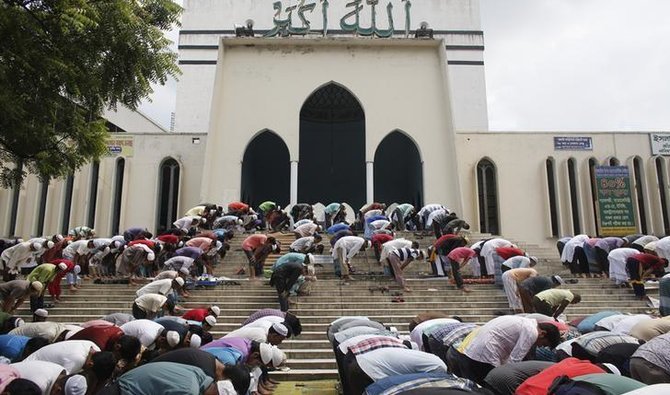
Beyond the five daily prayers: Why Nigerian mosques must become centres of guidance, mentorship, education, opportunity and spiritual development for the younger generation.
Walk into many mosques across Nigeria, particularly during Jumu’ah prayers, Ramadan and other important Islamic occasions, and you will find Muslims gathering to worship Allah, listen to sermons and participate in religious activities.
Mosques remain among the most important institutions in Muslim communities. They provide spaces for worship, Islamic education, spiritual guidance and social interaction.
However, there is an important question we must begin to ask ourselves: Are Nigerian mosques doing enough to support the needs and aspirations of young Muslims?
Across Nigeria, young Muslims are navigating an increasingly complicated world. They face unemployment, academic pressure, economic hardship, peer pressure, social media influences, identity struggles and questions about their faith.
Some are struggling to maintain their religious obligations. Others are searching for career direction, mentorship, meaningful friendships and opportunities to contribute positively to society.
Many young Muslims want to become more involved in their communities but do not always know where to begin.
Some feel that mosque activities are designed primarily for older generations, leaving little room for youth participation, leadership development or conversations about contemporary challenges.
This should concern every Muslim who understands the importance of preparing the next generation.
A mosque should not only be a place where young people come to pray. It should also be a place where they learn, grow, receive guidance, discover their potential and develop a stronger relationship with Allah.
The question is no longer whether Nigerian mosques should support young Muslims. The more important question is how they can do so more effectively.
Here are practical ways Nigerian mosques can become more relevant, supportive and engaging for the younger generation.
1. ESTABLISH ACTIVE AND WELL-ORGANISED MUSLIM YOUTH ASSOCIATIONS
One of the first steps Nigerian mosques should consider is establishing properly organised youth associations.
In some communities, young Muslims have limited opportunities to participate in mosque administration or community development activities.
They may attend prayers and religious gatherings but rarely have meaningful responsibilities beyond that.
Mosque committees should create structured youth groups where young Muslims can meet regularly, discuss relevant issues, organise activities and contribute to community development.
These groups should not exist merely in name. They should have clear objectives, responsible leadership, adult guidance and opportunities for meaningful participation.
Activities could include:
- Weekly or monthly youth meetings.
- Islamic knowledge competitions.
- Educational seminars and workshops.
- Community volunteering.
- Sports and recreational activities.
- Career development programmes.
- Quran memorisation initiatives.
- Youth-led charity projects.
Such associations can help young Muslims develop friendships, leadership abilities, confidence and a stronger sense of belonging.
Most importantly, they provide an opportunity for young people to feel that the mosque is also their community.
2. MAKE ISLAMIC EDUCATION MORE RELEVANT TO CONTEMPORARY YOUTH
Islamic education remains one of the most important responsibilities of mosques.
However, the way Islamic knowledge is communicated to young people deserves greater attention.
Young Muslims need to understand the Quran, Sunnah, Islamic history, Aqeedah, Fiqh and the foundations of their religion.
But they also need guidance on how Islamic teachings apply to the realities of modern life.
For example, young Nigerians are dealing with questions about social media, relationships, marriage, career choices, financial responsibilities, peer pressure, mental health and professional ambitions.
Mosques should organise educational programmes that address these subjects through authentic Islamic teachings.
Instead of relying exclusively on traditional lecture formats, scholars can introduce interactive sessions, youth discussions, question-and-answer programmes and practical workshops.
Young people should be allowed to ask questions without being embarrassed or dismissed.
The objective should be to develop Muslims who understand their religion and can confidently apply its principles in their everyday lives.
3. INTRODUCE CAREER MENTORSHIP AND PROFESSIONAL DEVELOPMENT PROGRAMMES
One major challenge facing young Nigerians is uncertainty about their educational and professional futures.
Many graduates struggle to secure employment, while others are unsure about which career paths to pursue.
Some young people have entrepreneurial ambitions but lack the guidance, networks and practical knowledge needed to develop their ideas.
Nigerian mosques have an opportunity to address some of these challenges.
Every mosque has members who are doctors, lawyers, engineers, teachers, accountants, business owners, civil servants, academics and professionals in different industries.
These individuals can contribute their knowledge and experience through structured mentorship programmes.
Mosques can organise:
- Career guidance seminars.
- CV writing and interview preparation workshops.
- Professional networking events.
- Entrepreneurship training.
- Digital skills programmes.
- Internship and apprenticeship connections.
- Scholarship information sessions.
- Financial literacy workshops.
Imagine a mosque where a young graduate can receive career advice from an experienced professional after Jumu’ah prayers.
Imagine young entrepreneurs receiving practical guidance from established Muslim business owners.
These initiatives could make a meaningful difference in the lives of young Muslims.
A mosque should be a place where people develop spiritually and are also encouraged to become responsible and productive members of society.
4. CREATE A SAFE ENVIRONMENT WHERE YOUNG MUSLIMS CAN ASK DIFFICULT QUESTIONS
Young people naturally have questions as they grow and encounter different ideas.
Some struggle to understand certain Islamic rulings. Others encounter arguments against religion on social media and become confused.
Some may have personal struggles involving relationships, religious doubts, family expectations or their understanding of Islamic teachings.
Unfortunately, when young Muslims attempt to raise difficult questions, they may sometimes be criticised or made to feel that questioning is itself unacceptable.
This can discourage them from seeking authentic Islamic knowledge.
Mosques should create safe, respectful and structured environments where young Muslims can discuss their concerns.
Qualified scholars should be available to address questions with wisdom, patience and appropriate evidence from the Quran and Sunnah.
Mosques can organise monthly youth question-and-answer sessions where young people submit questions anonymously if they prefer.
This would help address issues that some may find uncomfortable discussing publicly.
The aim should not be to encourage unnecessary arguments but to help young Muslims develop sound understanding and confidence in their faith.
5. MAKE MOSQUES MORE WELCOMING TO YOUNG PEOPLE
A young Muslim should not feel like an outsider when entering a mosque.
Unfortunately, some young people associate mosques with constant criticism, strict social expectations and limited opportunities for participation.
Some feel unwelcome because of their clothing, background, educational level or previous mistakes.
Others believe they are only noticed when they do something wrong.
Mosque leaders must understand that young Muslims need encouragement, guidance and a genuine sense of belonging.
This does not mean compromising Islamic principles or allowing inappropriate behaviour.
It means correcting mistakes with wisdom, treating people with dignity and recognising that spiritual growth is a process.
Mosques should encourage older members to build positive relationships with young people.
A simple greeting, friendly conversation or sincere expression of encouragement can make a significant difference.
The mosque should be a place where a young person who is trying to improve their religious life feels encouraged to return, not frightened away by unnecessary humiliation.
6. PROVIDE MENTORSHIP FROM TRUSTED ADULTS AND ISLAMIC SCHOLARS
Not every young person has access to a supportive adult who can provide guidance on important life decisions.
Some come from homes where communication is difficult. Others have lost their parents or lack positive role models.
Mosques can help bridge this gap by establishing structured mentorship programmes.
Experienced professionals, responsible community members, Islamic scholars and other suitable volunteers can mentor young Muslims.
Mentorship can cover:
- Islamic character and personal development.
- Educational choices.
- Career development.
- Marriage and family responsibilities.
- Financial management.
- Leadership and community service.
- Time management and personal discipline.
However, mentorship programmes must have appropriate safeguarding measures, clear boundaries and responsible supervision, particularly when working with minors.
The goal is to help young Muslims develop meaningful relationships with people who can guide them through important stages of life.
7. ADDRESS MENTAL HEALTH AND EMOTIONAL WELLBEING
Mental health is an important issue that Nigerian Muslim communities should take more seriously.
Young Muslims face many pressures, including unemployment, financial uncertainty, academic challenges, family expectations, loneliness and relationship difficulties.
Some experience depression, anxiety and other psychological challenges but are afraid to discuss them because they fear being judged.
Mosques can play an important role in reducing this stigma.
Islamic scholars should explain that seeking appropriate professional mental health support is not contrary to Tawakkul.
Mosques can also establish referral relationships with qualified psychologists, psychiatrists and counsellors.
Practical initiatives could include:
- Mental health awareness seminars.
- Confidential referral arrangements.
- Parenting and family wellbeing workshops.
- Support groups led by appropriately qualified professionals.
- Training for mosque volunteers on recognising when someone may need professional assistance.
Religious guidance can provide spiritual support, while qualified mental health professionals provide appropriate clinical care.
These approaches should complement one another.
A young Muslim experiencing emotional difficulties should not feel that their only option is to remain silent.
8. ORGANISE SPORTS, RECREATIONAL AND SOCIAL ACTIVITIES
Supporting young Muslims does not mean organising religious lectures alone.
Young people also need opportunities to socialise, develop friendships and participate in healthy recreational activities.
Mosques can organise football competitions, basketball games, athletics, educational excursions, hiking activities and other permissible recreational programmes.
These activities can help young people develop teamwork, discipline, confidence and positive relationships.
They also create opportunities for Muslim youths to interact outside formal religious gatherings.
In some communities, young people may be more willing to participate in a football competition organised by their mosque than attend a lengthy lecture.
This does not make recreational activities less valuable.
Rather, it provides another avenue through which mosques can build relationships and encourage positive community involvement.
The important thing is to ensure that activities are appropriately organised and consistent with Islamic values.
9. CREATE SCHOLARSHIP AND EDUCATIONAL SUPPORT INITIATIVES
Education remains an important tool for personal development and national progress.
Unfortunately, financial difficulties prevent some young Nigerians from accessing quality education.
Mosques can establish scholarship and educational support initiatives for deserving students within their communities.
These initiatives may involve:
- Financial assistance for students from low-income families.
- Support for examination registration fees.
- Provision of educational materials.
- Free tutorial classes.
- Scholarship awareness programmes.
- Partnerships with educational organisations.
- Donations of computers and learning equipment.
Mosques can also connect financially disadvantaged students with community members willing to sponsor their education.
Such programmes should operate with transparent selection criteria and proper financial accountability.
Supporting education is an investment in the future of the Muslim community.
10. HELP YOUNG MUSLIMS DEVELOP FINANCIAL LITERACY AND ENTREPRENEURIAL SKILLS
Financial challenges affect many young Nigerians.
Some struggle with budgeting, saving and managing their income. Others are interested in starting businesses but lack the knowledge required to make informed financial decisions.
Mosques can introduce financial literacy programmes that teach young Muslims responsible money management.
Topics could include:
- Personal budgeting.
- Saving and financial planning.
- Understanding debt and financial obligations.
- Ethical business practices.
- Halal investment principles.
- Entrepreneurship.
- Financial scams and fraud prevention.
- Zakat and charitable responsibilities.
Muslim business owners and qualified financial professionals can contribute to these programmes.
Mosques should also consider creating networks that connect young entrepreneurs with experienced business people.
The objective is to help young Muslims become financially responsible while remaining committed to Islamic principles.
11. GIVE YOUNG MUSLIMS REAL LEADERSHIP RESPONSIBILITIES
One mistake some community institutions make is treating young people as permanent observers rather than potential leaders.
Young Muslims are often told that they are the future of the Ummah, but they are not always given opportunities to contribute meaningfully in the present.
Mosque committees should create appropriate opportunities for youth participation in community planning and development.
Young people can contribute to:
- Social media management.
- Community outreach.
- Youth programme coordination.
- Charity initiatives.
- Educational events.
- Communication and publicity.
- Technology and digital development.
- Environmental and sanitation projects.
Where appropriate, they should also be represented in mosque committees and advisory structures.
Of course, leadership opportunities should come with training, accountability and guidance from experienced members.
Young people should not simply be invited to attend meetings. They should be given opportunities to contribute ideas and participate in decision-making.
When young Muslims feel trusted and valued, they are more likely to develop a lasting commitment to their communities.
12. USE DIGITAL PLATFORMS TO REACH YOUNG MUSLIMS
The digital world has become an important part of young people’s lives.
Many spend significant time on WhatsApp, Instagram, TikTok, YouTube and other online platforms.
Mosques should recognise that their engagement with young Muslims should not end when people leave the prayer ground.
They can establish active digital communication channels that provide beneficial Islamic content and information about community activities.
For example, mosques can:
- Share short, authentic Islamic reminders.
- Publish announcements about youth programmes.
- Host online question-and-answer sessions with qualified scholars.
- Share educational videos.
- Provide information about scholarships and job opportunities.
- Promote volunteering and community service.
- Develop websites and accessible digital learning resources.
However, digital engagement should prioritise accuracy and beneficial content rather than merely pursuing views and followers.
Mosques should also encourage young Muslims to become responsible digital creators who promote positive Islamic values.
13. INTRODUCE COMMUNITY SERVICE AND CHARITY PROGRAMMES
Islam teaches that Muslims have responsibilities towards the wider society.
Mosques can help young Muslims understand these responsibilities by involving them in community service.
Young people can participate in initiatives that support vulnerable families, elderly people, persons with disabilities, orphaned children and people experiencing financial difficulties.
Practical programmes could include:
- Food distribution initiatives.
- Community sanitation exercises.
- Hospital visitation programmes.
- Educational support for disadvantaged children.
- Assistance for elderly community members.
- Emergency relief activities.
- Environmental awareness campaigns.
These initiatives teach compassion, responsibility, humility and service.
They also demonstrate that Islam is not limited to personal worship but includes making positive contributions to the lives of others.
14. DEVELOP STRONGER PARTNERSHIPS BETWEEN MOSQUES, SCHOOLS AND MUSLIM ORGANISATIONS
No single mosque can address every challenge facing young Muslims.
This is why collaboration is important.
Mosques should build partnerships with Islamic schools, universities, Muslim professional associations, charitable organisations and youth development groups.
Such partnerships can provide access to expertise, funding, educational opportunities and professional networks.
For example, a mosque may partner with a university Muslim Students’ Society to organise career development programmes.
Another may collaborate with a Muslim medical association to provide health awareness seminars.
Others may work with professional organisations to introduce mentorship opportunities for secondary school students and university graduates.
Collaboration allows mosques to achieve more than they could through isolated efforts.
15. MAKE MOSQUE MANAGEMENT MORE ACCOUNTABLE AND TRANSPARENT
For youth programmes to succeed, there must be proper organisation and accountability.
Some initiatives begin with enthusiasm but gradually disappear because responsibilities are unclear, funding is poorly managed or there is no proper evaluation.
Mosque leadership should therefore establish clear structures for youth development programmes.
This includes:
- Appointing responsible programme coordinators.
- Developing realistic budgets.
- Establishing transparent financial procedures.
- Setting measurable objectives.
- Seeking feedback from young participants.
- Reviewing programmes regularly.
- Providing appropriate safeguarding arrangements.
Young people should also have opportunities to express their opinions about what is working and what needs improvement.
A successful youth programme should not be measured simply by how many people attend an event.
It should also be measured by the positive impact it has on their religious development, education, personal growth and community participation.
WHAT CAN NIGERIAN MOSQUES START DOING RIGHT NOW?
The good news is that supporting young Muslims does not always require enormous financial resources.
Even a small mosque with limited facilities can introduce meaningful initiatives.
For example, a mosque could begin with five practical commitments:
- Organise one monthly youth discussion with a qualified Islamic scholar.
- Establish a mentorship network involving professionals within the congregation.
- Create a WhatsApp group to share verified educational and career opportunities.
- Introduce a monthly youth sports or community service activity.
- Establish a small educational assistance fund for deserving students.
These initiatives can gradually expand as more people become involved.
The most important thing is to move from discussion to implementation.
Mosque leaders should not wait until they have enormous budgets before taking the first steps.
Even small, consistent efforts can make a meaningful difference in the lives of young Muslims.
YOUNG MUSLIMS ALSO HAVE RESPONSIBILITIES
While mosque leadership and community institutions must do more, young Muslims should also recognise their own responsibilities.
They should not wait for every opportunity to be created before becoming involved.
Young people can volunteer, participate in Islamic programmes, seek authentic knowledge, respect community elders and contribute their skills.
They should also communicate their needs respectfully and offer constructive suggestions for improving mosque activities.
If a mosque lacks a youth programme, young Muslims can approach its leadership with a practical proposal.
If there are no mentorship opportunities, they can help establish a network of interested professionals.
If educational activities are limited, they can volunteer to organise beneficial learning sessions under appropriate guidance.
A stronger Muslim community requires cooperation between generations.
Older Muslims bring experience, wisdom and institutional knowledge, while younger Muslims contribute fresh ideas, energy and technical skills.
Both generations need one another.
CONCLUSION: OUR MOSQUES MUST BECOME MORE THAN PLACES OF WORSHIP
Nigerian mosques have an important opportunity to shape the future of the Muslim community.
They are already central to religious life, but their contribution to youth development can become even greater.
Young Muslims need more than occasional lectures and reminders. They need guidance, mentorship, education, opportunities, emotional support and meaningful participation in community life.
They need mosques where their questions are taken seriously, their contributions are valued and their aspirations are encouraged within the boundaries of Islam.
They need environments that help them strengthen their relationship with Allah while preparing them to become responsible parents, professionals, entrepreneurs, scholars and community leaders.
The responsibility does not belong to mosque committees alone. Parents, Islamic scholars, Muslim professionals, charitable organisations and young people themselves all have important roles to play.
We must stop referring to young Muslims only as the future of the Ummah while overlooking their needs in the present.
The next generation is growing up now. The challenges they face are happening now. And the support they need should not be postponed.
A mosque should not only be a place where young Muslims come to pray. It should also be a place where they find guidance, develop their abilities, discover opportunities and become better Muslims and better human beings.
If Nigerian mosques invest meaningfully in their younger generation today, they will be investing in the future strength, stability and development of the Muslim community.
May Allah guide our mosque leaders, inspire our scholars, strengthen our families and make our mosques centres of knowledge, compassion, unity and positive transformation. Ameen.
