


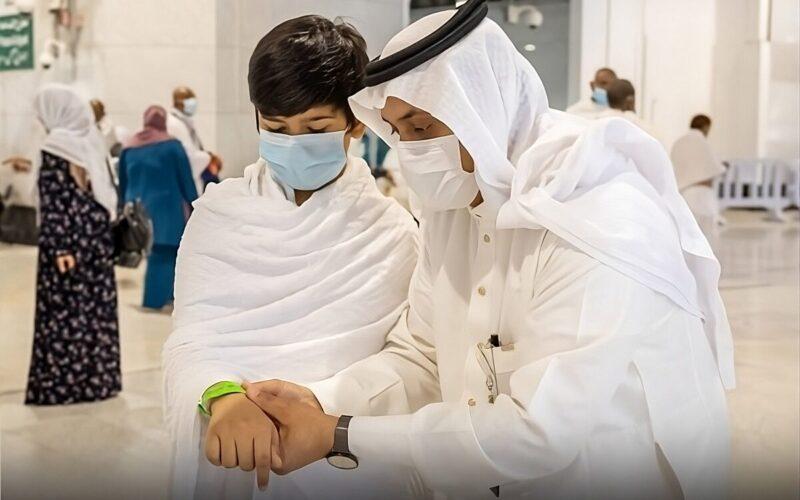
A young Muslim may want to fast on Mondays and Thursdays, the Day of Arafah or other recommended days. But what happens when their parents do not want them to fast?
Should they fast anyway, or should they listen to their parents?
The answer depends on the circumstances, including the type of fast, the young person’s health and the parents’ reasons.
FIRST, UNDERSTAND THE DIFFERENCE BETWEEN OBLIGATORY AND VOLUNTARY FASTING
Ramadan fasting is obligatory for Muslims who meet the relevant conditions. Voluntary fasting, on the other hand, is an additional act of worship.
Because voluntary fasting is not obligatory, it should be approached with wisdom and consideration for other responsibilities.
WHAT DOES THE PROPHET ﷺ TEACH?
The Prophet ﷺ taught that a woman should not observe a voluntary fast while her husband is present without his permission, except in circumstances recognised by Islamic law.
— Sahih al-Bukhari, Hadith 5195; Sahih Muslim, Hadith 1026
This specific teaching concerns the marital relationship; it should not be incorrectly presented as a direct ruling that every child must obtain parental permission for every voluntary fast.
However, it reminds us that voluntary worship should be considered alongside the rights and circumstances of others.
WHAT IF YOUR PARENTS DO NOT WANT YOU TO FAST?
1. ASK WHY
Your parents may be concerned about your health, age, schoolwork or ability to fulfil your responsibilities. Listen to their concerns rather than immediately treating them as opposition to your worship.
2. CONSIDER YOUR HEALTH
Voluntary fasting should not put you at risk. If you are unwell, under medical advice not to fast, or struggling to meet your nutritional needs, seek appropriate guidance before fasting.
3. SHOW RESPECT
Even when you disagree, speak politely. Explain that you want to increase your worship and ask whether you can agree on a suitable day.
4. SEEK KNOWLEDGE IF THE DISAGREEMENT CONTINUES
Islamic rulings about a minor’s worship, parental authority and specific circumstances can require further explanation. Ask a knowledgeable scholar who can consider your age and situation.
WHAT IF IT IS AN OBLIGATORY FAST?
Do not confuse voluntary fasting with obligatory fasting. Ramadan fasting has a different status, and a parent should not casually be treated as having the authority to cancel a religious obligation.
If you are too young to be legally accountable under Islamic law, or if illness or another recognised excuse applies, the relevant rulings may differ. Seek reliable guidance.
HEART CHECK
Voluntary fasting is a beautiful act of worship, but good character includes patience, respect and wisdom. Pursue extra worship in a way that protects your health and fulfils your responsibilities.
3SIXTYISLAM
At 3SixtyIslam, we believe Islamic knowledge should reach every generation. From Hajj and Umrah guidance to practical Islamic lessons for everyday life, our goal is to help Muslims learn, grow and strengthen their connection with Islam.
Follow 3SixtyIslam for more Islamic knowledge, guidance and inspiring stories for the whole family.
