

THE LIFE OF PROPHET MUHAMMAD ﷺ: HIS STORY, CHARACTER, AND LESSONS EVERY MUSLIM SHOULD KNOW

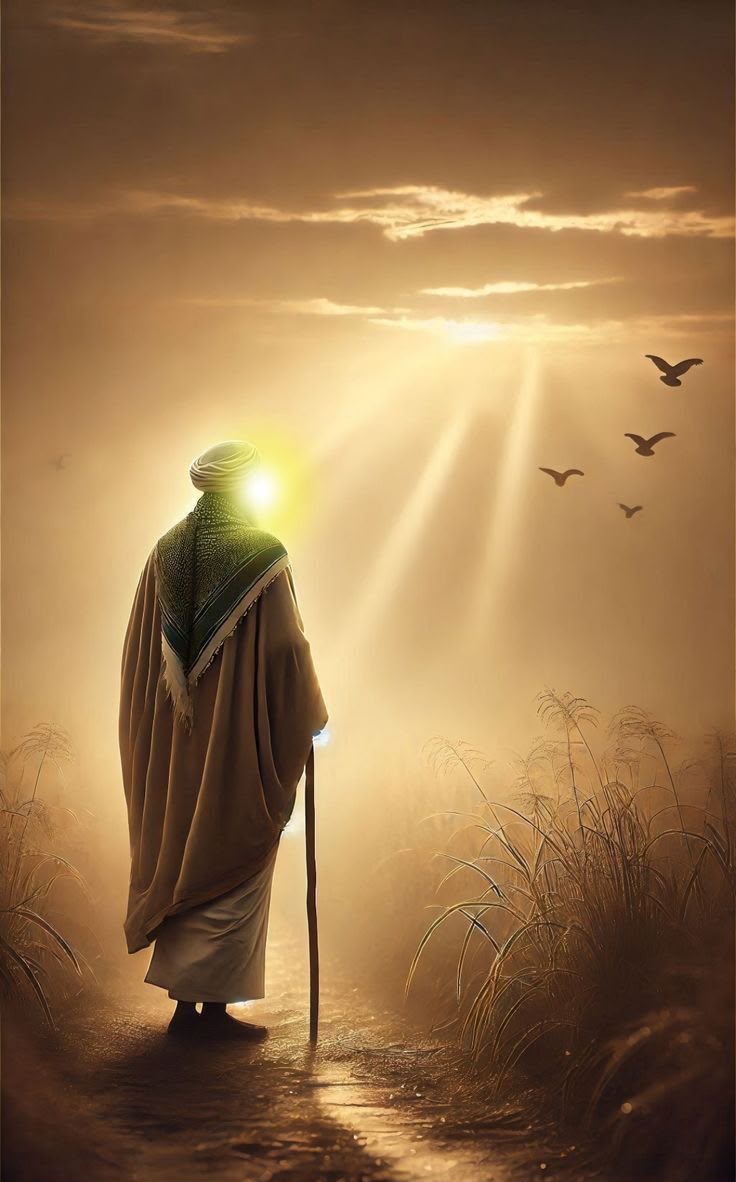
Prophet Muhammad ﷺ is the final Messenger of Allah and the greatest example for Muslims to follow in faith, worship, character, and conduct.
His life was filled with lessons about patience, mercy, courage, forgiveness, leadership, family relationships, and complete trust in Allah. He faced rejection, persecution, grief, and hardship, yet remained committed to delivering the message of Islam.
Learning about his life is not simply an exercise in studying history. It helps Muslims understand how Islam should be practised and how the teachings of the Qur’an can be reflected in everyday life.
Every Muslim should make an effort to learn about the Prophet’s life, understand his message, and follow his authentic Sunnah.
WHO WAS PROPHET MUHAMMAD ﷺ?
Prophet Muhammad ﷺ was born in Makkah, in the Arabian Peninsula, around 570 CE. He belonged to the Quraysh tribe and the clan of Banu Hashim.
His father, Abdullah, died before his birth, and his mother, Aminah, died when he was still a young child. He was subsequently cared for by his grandfather, Abdul-Muttalib, and later by his uncle, Abu Talib.
Despite growing up as an orphan, Muhammad ﷺ became known among his people for his honesty and trustworthiness.
Before receiving revelation, he was known as Al-Amin, meaning the trustworthy.
At approximately forty years of age, he received the first revelation from Allah through the angel Jibril while worshipping in the Cave of Hira.
He spent the remainder of his life conveying the message of Islam, calling people to worship Allah alone and teaching them to live according to divine guidance.
He passed away in Madinah in 632 CE, at approximately sixty-three years of age.
THE BEGINNING OF HIS PROPHETHOOD
Before Islam spread throughout Arabia, many people in Makkah worshipped idols and followed practices that conflicted with the worship of Allah alone.
Prophet Muhammad ﷺ would spend time in reflection and worship, and it was in the Cave of Hira that the first revelation came to him.
The angel Jibril commanded him to read, beginning the revelation of Surah Al-Alaq.
Allah says:
“Read in the name of your Lord who created.”
— Surah Al-Alaq 96:1
The beginning of revelation marked a turning point in human history.
The Prophet ﷺ began calling people to Tawheed, righteousness, accountability before Allah, and the abandonment of idolatry and injustice.
His message challenged deeply established beliefs and practices, and many of the powerful people in Makkah opposed him.
Nevertheless, he continued conveying the message with patience and determination.
THE PROPHET’S PATIENCE DURING PERSECUTION
The early Muslims faced severe opposition because they believed in and worshipped Allah alone.
Some were insulted, threatened, tortured, or pressured to abandon their faith. The Prophet ﷺ himself endured ridicule, hostility, and attempts to stop his mission.
Yet he remained steadfast.
His life teaches us that doing what is right does not always lead to immediate acceptance. Sometimes, remaining faithful to Allah requires patience when others misunderstand or oppose us.
Allah says:
“And be patient, [O Muhammad], and your patience is not but through Allah.”
— Surah An-Nahl 16:127
This verse reminds us that patience is a quality believers should cultivate while seeking strength and assistance from Allah.
The Prophet’s example also teaches us that patience does not mean refusing to take action. Muslims should continue working towards good, seek appropriate help when necessary, and respond to hardship in ways consistent with Islamic teachings.
THE HIJRAH: THE MIGRATION TO MADINAH
As persecution intensified in Makkah, Allah permitted the Muslims to migrate to Madinah.
The Prophet Muhammad ﷺ eventually migrated with Abu Bakr رضي الله عنه, leaving behind his home and much of what was familiar to him.
Their journey was filled with danger, but they placed their trust in Allah and took practical measures to protect themselves.
During their time in the cave, the Qur’an records the Prophet’s reassuring words to his companion:
“Do not grieve; indeed Allah is with us.”
— Surah At-Tawbah 9:40
The Hijrah was a major turning point in Islamic history. In Madinah, the Muslim community grew, and the Prophet ﷺ established a community shaped by worship, mutual responsibility, justice, and cooperation.
The migration teaches Muslims several important lessons:
- Trust in Allah while taking responsible action.
- Be willing to make sacrifices for your faith and principles.
- Seek good companionship during difficult times.
- Remain hopeful when circumstances appear uncertain.
- Understand that hardship can precede new opportunities.
THE CHARACTER OF PROPHET MUHAMMAD ﷺ
One of the most important reasons Muslims study the Prophet’s life is to learn from his character.
Allah says:
“And indeed, you are of a great moral character.”
— Surah Al-Qalam 68:4
His character was marked by numerous qualities that Muslims should strive to develop.
1. HE WAS MERCIFUL
The Prophet ﷺ showed mercy to people and encouraged kindness towards the vulnerable.
He treated children with affection, encouraged care for the poor, and taught Muslims to avoid cruelty.
Allah says:
“And We have not sent you, [O Muhammad], except as a mercy to the worlds.”
— Surah Al-Anbiya 21:107
His example reminds Muslims that religious commitment should be accompanied by compassion and concern for others.
2. HE WAS HONEST AND TRUSTWORTHY
Even before his prophethood, Muhammad ﷺ was known for his honesty.
He taught Muslims to speak truthfully, fulfil their promises, return trusts, and avoid deception.
His example reminds us that integrity should be visible in our businesses, friendships, marriages, workplaces, and private dealings.
3. HE WAS HUMBLE
Despite his position as Allah’s Messenger, the Prophet ﷺ did not make arrogance or worldly status the basis of his relationships.
He lived simply and encouraged good treatment of others.
His example teaches Muslims not to become proud because of wealth, education, authority, appearance, or religious knowledge.
4. HE WAS FORGIVING
When the Prophet ﷺ returned to Makkah during its conquest, many of his former opponents were in a position of vulnerability.
His conduct demonstrated forgiveness and restraint, although Islamic teachings also recognise the right to justice and accountability.
This teaches Muslims that forgiveness can be a noble response when appropriate, and that having the ability to retaliate does not mean retaliation is always the best choice.
5. HE WAS PATIENT
The Prophet ﷺ experienced the loss of loved ones, rejection, persecution, and many difficult events.
Yet he continued fulfilling his responsibilities and calling people to Allah.
His life teaches us to remain patient during hardship without abandoning our obligations or losing hope in Allah’s mercy.
THE PROPHET’S RELATIONSHIP WITH HIS FAMILY
The Prophet Muhammad ﷺ was not only a Messenger and community leader; he was also a husband, father, grandfather, and relative.
His family life provides important lessons about kindness, responsibility, and good treatment.
He encouraged Muslims to treat their spouses well and demonstrated affection towards his family.
The Prophet ﷺ said:
“The best of you are those who are best to their families, and I am the best of you to my family.”
— Jami’ at-Tirmidhi
This teaching reminds Muslims that good character should not be reserved for people outside the home.
A person should not appear gentle and respectful in public while treating their family with cruelty or contempt.
Islamic family life should be built upon kindness, fulfilling rights, mutual respect, and responsibility.
The Prophet’s example also encourages parents to show affection towards their children, maintain family ties, and create homes in which faith and good character are nurtured.
THE PROPHET’S RELATIONSHIP WITH ALLAH
Above all, Prophet Muhammad ﷺ was a devoted servant of Allah.
He maintained his prayers, remembered Allah frequently, made du’a, sought forgiveness, and encouraged his followers to worship sincerely.
Even with his responsibilities as a Messenger, leader, husband, and community member, worship remained central to his life.
His example teaches us that closeness to Allah requires consistency rather than occasional enthusiasm.
Muslims should therefore strive to establish their obligatory prayers, read the Qur’an, remember Allah, make sincere supplications, and follow the Prophet’s authentic teachings.
IMPORTANT LESSONS FROM THE LIFE OF PROPHET MUHAMMAD ﷺ
The Prophet’s life offers countless lessons, but the following are especially important for Muslims today.
1. Worship Allah alone. The central message of the Prophet’s mission was Tawheed. Our worship and ultimate devotion must belong to Allah.
2. Practise good character. Honesty, humility, patience, mercy, and keeping promises are essential aspects of a Muslim’s conduct.
3. Be patient during hardship. Difficult circumstances should encourage us to seek Allah’s help and continue doing what is right.
4. Treat your family well. Our behaviour at home is an important reflection of our character.
5. Forgive when appropriate. Forgiveness can heal relationships and demonstrate strength, while justice and the protection of people’s rights remain important.
6. Seek knowledge. Learn the Qur’an, authentic Sunnah, and the teachings of qualified scholars.
7. Be trustworthy. Fulfil your responsibilities and avoid cheating, deception, and betrayal.
8. Balance reliance upon Allah with effort. The Prophet ﷺ trusted Allah while taking practical steps to fulfil his responsibilities.
9. Show mercy to others. Treat people with dignity and avoid unnecessary cruelty.
10. Prepare for the Hereafter. Remember that worldly life is temporary and that our actions matter before Allah.
HOW CAN MUSLIMS FOLLOW THE PROPHET’S SUNNAH?
Following the Sunnah begins with learning what the Prophet ﷺ genuinely taught and practised.
Muslims can begin by:
- Learning how he performed Salah.
- Studying his supplications and daily remembrances.
- Reading authentic accounts of his life.
- Practising honesty, mercy, humility, and patience.
- Learning his guidance concerning family relationships and social responsibilities.
- Verifying Hadith before attributing statements to him.
- Following his teachings with sincerity rather than using religious practices to judge or belittle others.
It is also important to distinguish between authentic Sunnah, cultural traditions, and weak or fabricated reports. When uncertain, seek guidance from reliable scholars.
The goal is to follow the Prophet ﷺ with knowledge, love, sincerity, and good character.
CONCLUSION
Prophet Muhammad ﷺ was the final Messenger of Allah and an example of faith, patience, mercy, humility, and perseverance.
His life teaches Muslims how to worship Allah, endure hardship, treat their families, fulfil their responsibilities, and interact with others in accordance with Islamic guidance.
Studying his life should inspire us to move beyond admiration and make a sincere effort to follow his authentic teachings.
Let us learn about his Seerah, study his Sunnah, and strive to embody the noble character he taught.
May Allah increase our love for Prophet Muhammad ﷺ, grant us the ability to follow his authentic Sunnah, beautify our character, and reunite us with him in Jannatul Firdaus. Amin.
