


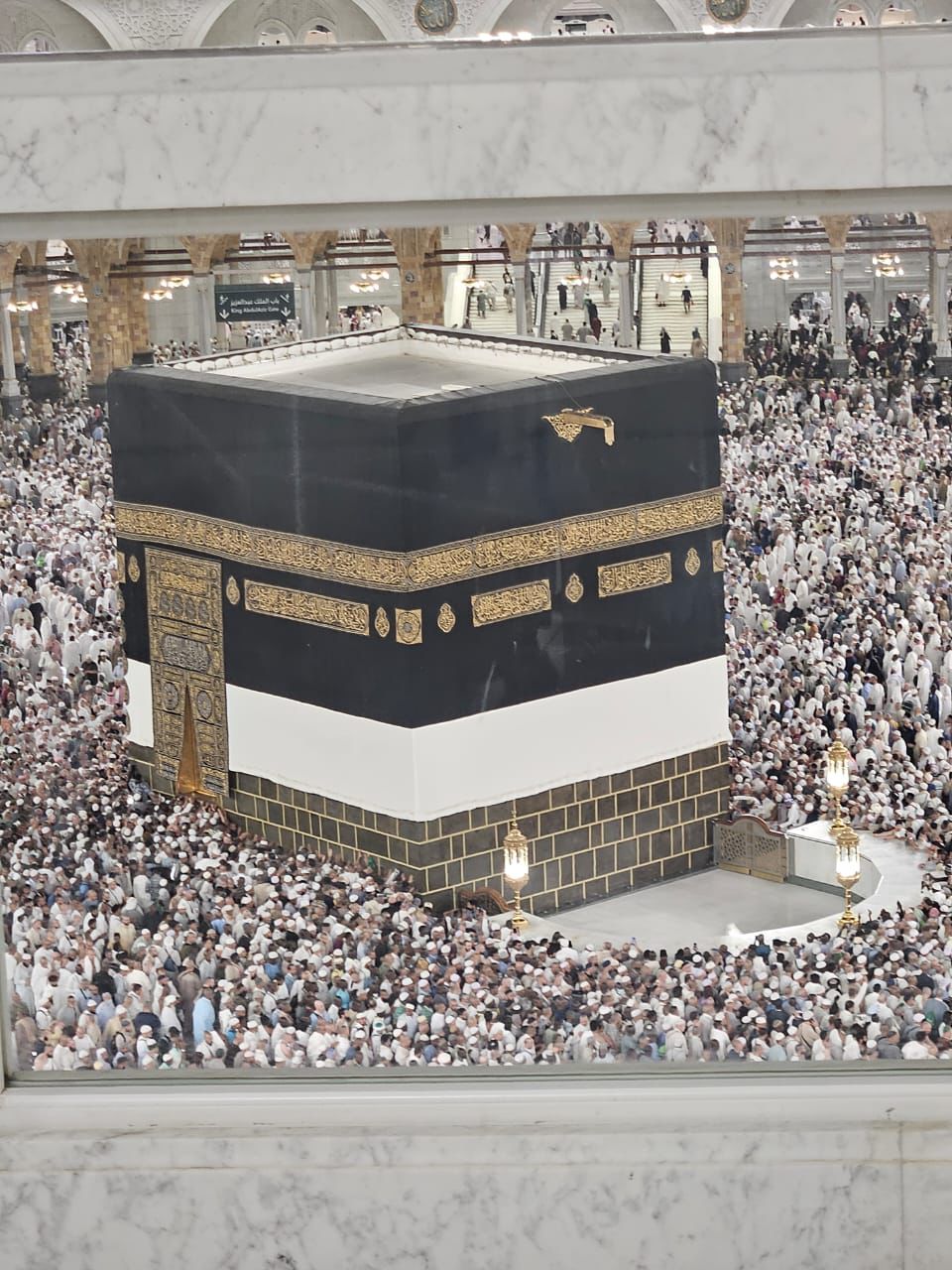
For millions of pilgrims, the major rites of Hajj have now been completed. The days of Arafah, Muzdalifah, Mina, the stoning of the Jamarat, the sacrifice, and the Tawaf of Hajj have either passed or are drawing to a close. What many pilgrims spent years preparing for has now become a memory.
At this stage of the journey, many emotions begin to surface.
There is gratitude for being given the opportunity to complete Hajj. There is relief after days of physical exertion and movement between the sacred sites. There is joy at having fulfilled one of the pillars of Islam. Yet there is also sadness. Many pilgrims find it difficult to accept that the days they eagerly anticipated for so long are already coming to an end.
The end of Hajj often causes pilgrims to reflect on a simple question: What happens now?
FROM PERFORMING HAJJ TO LIVING HAJJ
The rites of Hajj are not meant to be isolated acts performed over a few days and then forgotten.
Every ritual carries lessons that are meant to remain with a believer long after leaving the sacred sites.
The ihram taught simplicity and equality.
Arafah taught humility, repentance, and dependence upon Allah.
Muzdalifah taught patience and trust.
Mina taught obedience and sacrifice.
The stoning of the Jamarat taught resistance against temptation and disobedience.
These lessons are not limited to Makkah. They are meant to shape the way a Muslim lives after returning home.
The greatest success is not simply completing Hajj.
The greatest success is carrying its lessons into everyday life.
THE FEELING OF LEAVING THE SACRED PLACES
Many pilgrims experience a sense of sadness when they realize they may soon leave Makkah.
For days they have prayed in Masjid al-Haram, seen the Kaaba regularly, heard the adhan echo through the sacred surroundings, and lived in an environment centered around worship.
Returning home means returning to normal routines, responsibilities, and distractions.
This feeling is natural.
In fact, feeling sadness at leaving places connected to worship can be a sign that the heart benefited from the experience.
A person who leaves Makkah without any emotional attachment may need to ask whether they truly appreciated where they were.
DON’T MEASURE SUCCESS BY EMOTIONS ALONE
Some pilgrims cry when Hajj ends.
Others remain calm.
Some feel spiritually transformed immediately.
Others need time to process what they experienced.
People should not judge the value of their Hajj based solely on emotions.
The true measure of success is not how emotional a person felt during Hajj.
The true measure is what happens afterward.
Will prayer improve?
Will bad habits be abandoned?
Will character become better?
Will the connection with Allah become stronger?
These are the questions that matter.
THE DANGER OF RETURNING TO OLD HABITS
One of the greatest concerns after Hajj is falling back into the same patterns that existed before the journey.
During Hajj, worship becomes the center of life.
Pilgrims pray regularly, remember Allah frequently, and spend much of their time focused on acts of devotion.
After returning home, the environment changes.
Work returns.
Business resumes.
Daily distractions reappear.
Without conscious effort, old habits can quickly return.
This is why every pilgrim should develop a plan before leaving Saudi Arabia.
Set realistic goals.
Protect the five daily prayers.
Maintain regular Qur’an recitation.
Continue making dhikr.
Preserve the positive habits developed during Hajj.
Small consistent actions often have the greatest long-term impact.
A HAJJ THAT CONTINUES AFTER HAJJ
The Prophet Muhammad (peace be upon him) taught that actions are judged by their outcomes.
A beneficial Hajj should continue influencing a person’s life long after the journey ends.
Family members should notice greater patience.
Friends should notice improved character.
Business dealings should reflect stronger honesty and integrity.
The lessons of Hajj should appear not only in worship but also in daily interactions.
If Hajj changes the way a person treats Allah and the way a person treats people, then its impact has truly continued.
FINAL THOUGHTS
As the days of Hajj come to an end, pilgrims should thank Allah for granting them the opportunity to witness and participate in one of the greatest gatherings of worship on earth.
But they should also remember that the conclusion of the rites is not the conclusion of the mission.
The tents of Mina will be left behind.
The crowds of Arafah will disperse.
The journey home will begin.
Yet the real challenge starts when the pilgrim returns to ordinary life.
Because Hajj was never intended to be a few sacred days separated from the rest of life.
It was meant to produce a believer who carries the lessons of those sacred days for the rest of their years.
