


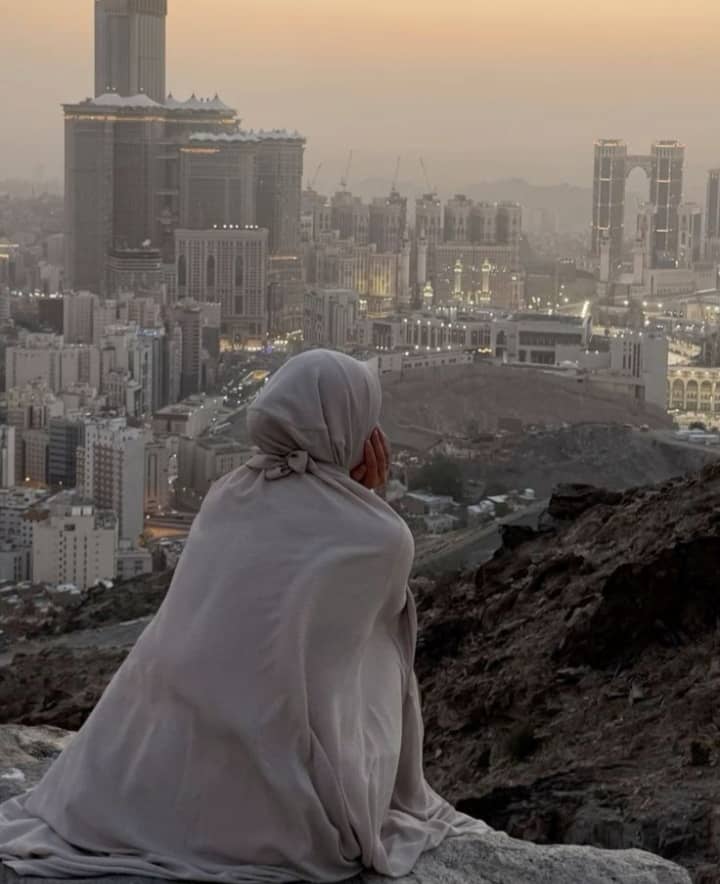
One of the challenges many pilgrims experience after arriving in Makkah is physical fatigue. Excitement, long travel hours, changes in routine, walking long distances, crowded environments, weather conditions, and emotional energy can quickly affect the body.
Many pilgrims arrive with strong enthusiasm and immediately try to do as much as possible. They spend long hours in Masjid al-Haram, walk extensively, sleep very little, and ignore signs of exhaustion.
While enthusiasm for worship is valuable, managing physical strength wisely is equally important. Hajj and Umrah involve both spiritual and physical effort, and maintaining health helps a pilgrim worship better throughout the journey.
UNDERSTAND THAT FATIGUE IS NORMAL
Many first-time pilgrims become worried when they feel unusually tired during the first few days.
Fatigue during pilgrimage can happen because of:
* long flights
* changes in sleep patterns
* increased walking
* weather conditions
* crowd movement
* emotional excitement
* irregular meal schedules
Experiencing tiredness does not necessarily mean something is wrong.
The body often needs time to adjust to new surroundings and routines.
DON’T TRY TO DO EVERYTHING IMMEDIATELY
A common mistake among pilgrims is attempting to maximize every minute without considering physical limits.
Some people feel they must remain in Masjid al-Haram continuously with very little rest.
Others become concerned that resting means missing opportunities.
However, overexertion can reduce concentration and create more difficulty later.
Pilgrimage is not a competition.
The goal is sustainable worship rather than exhaustion.
PRIORITIZE PROPER SLEEP
Many pilgrims reduce sleep significantly after arriving.
While excitement may make this understandable initially, prolonged sleep deprivation affects:
* concentration
* physical energy
* mood
* patience
* worship quality
Even short periods of proper rest can improve energy levels considerably.
Balanced rest often helps maintain better focus during prayers and other acts of worship.
STAY HYDRATED
Walking long distances and spending time in crowded environments can increase fluid loss.
Drink water regularly throughout the day.
Do not wait until you feel extremely thirsty.
Proper hydration supports:
* physical energy
* alertness
* overall comfort
Neglecting hydration can increase tiredness and discomfort.
PAY ATTENTION TO NUTRITION
Some pilgrims become so busy that they skip meals or eat irregularly.
Others rely mainly on snacks and light foods.
Maintaining reasonable nutrition helps support the body during physically demanding days.
Choose balanced meals when possible and avoid habits that increase exhaustion.
USE QUIETER TIMES WISELY
Not every act of worship requires physical exertion.
When energy feels low, consider lighter acts of worship such as:
* reading Qur’an
* making dhikr
* sincere dua
* listening attentively to reminders
* reflecting quietly after prayer
Worship is broader than physical activity alone.
REST IS NOT A SIGN OF WEAKNESS
Some pilgrims feel guilty about resting.
However, preserving health helps protect the ability to continue worship consistently.
Ignoring exhaustion can create larger difficulties later in the journey.
Moderation and balance are important principles.
SPECIAL ATTENTION FOR ELDERLY PILGRIMS
Older pilgrims and those with medical concerns should be especially careful.
They should:
* avoid unnecessary strain
* take breaks when needed
* stay hydrated
* follow medical guidance
* inform companions about any concerns
Protecting health should remain a priority.
FINAL THOUGHTS
Pilgrimage involves spiritual dedication as well as physical endurance.
Managing fatigue wisely does not reduce devotion. In many cases, it strengthens it.
A pilgrim who maintains health, balances effort, and protects energy often benefits more throughout the journey than someone who becomes exhausted too early.
The objective is not simply doing more.
The objective is worshipping Allah with consistency, focus, and strength throughout the journey.
