


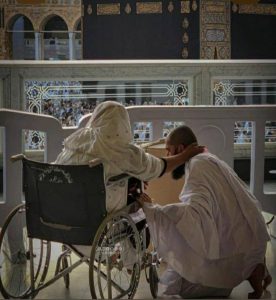
Hajj is a lifelong dream for many Muslims, and for the elderly, it often carries even deeper meaning. It is the fulfillment of years of du‘a, patience, and faith. While the journey can be physically demanding, with proper preparation and thoughtful planning, elderly pilgrims can perform Hajj with comfort, dignity, and peace of mind.
Understanding the challenges is the first step. Hajj involves long walks, large crowds, heat, and changes in routine. These realities do not diminish the reward; rather, they call for wisdom in approach. Islam is a religion of ease, and allowances are provided for those who need them.
Before traveling, medical preparation is essential. Elderly pilgrims should consult their doctor to ensure they are fit for the journey and to receive guidance on managing existing conditions such as diabetes, high blood pressure, or joint pain. All prescribed medications should be packed in sufficient quantity, clearly labeled, and kept in hand luggage. Vaccinations required for Hajj must also be completed on time.
Choosing the right Hajj package makes a significant difference. Elderly pilgrims benefit greatly from packages that offer accommodation close to the Haram, reliable transportation, medical support, and experienced guides. Travel with a reputable Hajj operator who understands the needs of senior pilgrims and provides constant assistance throughout the rites.
Physical preparation, even weeks before departure, helps greatly. Light daily walking, gentle stretching, and strengthening exercises can improve stamina and reduce discomfort during Hajj. Comfortable footwear, a walking stick, or a wheelchair should not be seen as signs of weakness, but as tools that preserve energy for worship.
During Hajj, pacing is crucial. The elderly are not required to rush or struggle. Islam permits the use of wheelchairs for Tawaf and Sa‘i, delegating the stoning of the Jamarat if necessary, and combining prayers when needed. Rest should be taken whenever fatigue sets in. Worship is not measured by hardship alone, but by sincerity.
Hydration and nutrition must never be neglected. Drinking water regularly, especially Zamzam, eating light meals, and avoiding excessive heat exposure help prevent exhaustion. Simple precautions such as carrying an umbrella, wearing breathable clothing, and staying in shaded areas can make a noticeable difference.
Emotional and spiritual support is equally important. Elderly pilgrims should be surrounded by patient companions who offer encouragement and calm reassurance. Remembering that Allah knows every limitation brings comfort. Even a small act done with difficulty carries immense reward.
Hajj for the elderly is not about perfection in movement, but perfection in intention. Every step taken slowly, every tear shed quietly, and every du‘a whispered with hope is deeply valued by Allah.
May Allah grant all elderly pilgrims strength, ease, and acceptance, and may their journey be filled with tranquility and divine mercy.
