


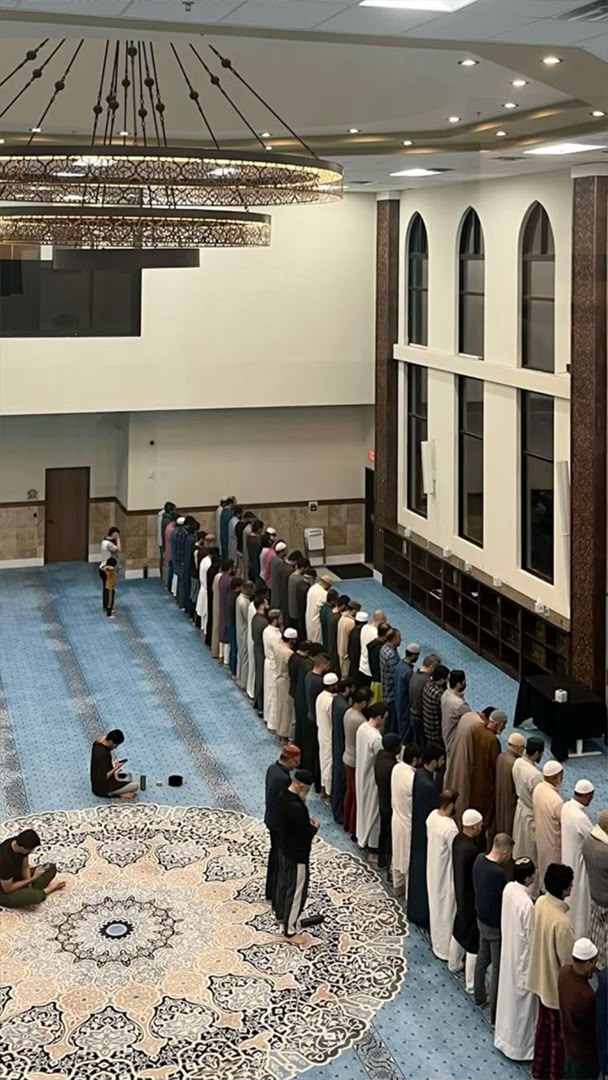
Before the Friday sermon begins, there is a beautiful Sunnah many Muslims overlook. Two rak’ahs that remind us that entering the house of Allah is not just about finding a place to sit, but about approaching Him with reverence.
Friday is a special day for Muslims. It is a day of congregational prayer, remembrance of Allah, reflection and renewed commitment to faith. Every week, Muslims leave their homes, businesses and daily responsibilities to gather in the mosque for Jumu’ah.
Yet, amid the rush to arrive before the khutbah begins, many overlook a simple but meaningful act of worship: Tahiyyatul Masjid, the two rak’ahs offered upon entering the mosque.
These two rak’ahs may take only a few minutes, but they carry an important lesson about respect for the house of Allah and the beauty of following the Sunnah of Prophet Muhammad ﷺ.
So, what exactly are these two rak’ahs, why are they important, and what should a Muslim do upon arriving at the mosque on Friday?
What Is Tahiyyatul Masjid?
Tahiyyatul Masjid means the greeting of the mosque. It refers to two rak’ahs of voluntary prayer offered when a Muslim enters the mosque, before sitting down.
Unlike an ordinary voluntary prayer performed at a convenient time, these two rak’ahs are connected to a particular occasion: entering the mosque.
The Prophet Muhammad ﷺ taught his companions not to sit down immediately upon entering the mosque without first offering two rak’ahs.
In an authentic hadith narrated by Abu Qatadah (RA), the Prophet ﷺ said:
“When one of you enters the mosque, he should pray two rak’ahs before sitting down.”
(Sahih al-Bukhari 444; Sahih Muslim 714)
This instruction highlights the importance of beginning our time in the mosque with an act of worship.
It is a beautiful reminder that the mosque is not simply a place where we gather for communal prayer. It is a place of remembrance, submission and closeness to Allah.
Why Are These Two Rak’ahs Important on Friday?
Friday is different from other days of the week. Muslims gather for Jumu’ah, listen to the khutbah and perform the obligatory congregational prayer.
However, the importance of Friday should not make us overlook the smaller acts of worship that accompany it.
Tahiyyatul Masjid provides an opportunity to settle our minds before the sermon, disconnect from worldly distractions and turn our attention towards Allah.
Consider how many people arrive at the mosque thinking about unfinished work, business transactions, family responsibilities or conversations they had earlier in the day.
These two rak’ahs provide a moment to pause.
They allow us to move from the noise of everyday life into an atmosphere of worship.
The prayer itself may be brief, but it encourages an important attitude: whenever we enter the house of Allah, we should do so with humility and awareness.
What If the Khutbah Has Already Started?
This is where many Muslims have questions.
Imagine arriving at the mosque on Friday. The imam is already delivering the khutbah, and the congregation is quietly listening.
Should you sit down immediately, or should you still offer the two rak’ahs?
The answer is found in a well-known incident during the lifetime of Prophet Muhammad ﷺ.
A companion named Sulaik al-Ghatafani (RA) entered the mosque while the Prophet ﷺ was delivering the Friday sermon. He sat down without praying.
The Prophet ﷺ asked him whether he had prayed. When he replied that he had not, the Prophet ﷺ instructed him to stand and pray two brief rak’ahs.
This narration is recorded in Sahih al-Bukhari and Sahih Muslim.
It is important to understand that the instruction to keep the prayer brief was particularly relevant because the khutbah was already in progress.
However, scholars have differed on how this narration should be reconciled with the general instruction to listen attentively to the khutbah. Some maintain that a person entering during the sermon should pray two brief rak’ahs, while others recommend sitting and listening.
Muslims should follow reliable scholarly guidance within their school of jurisprudence.
Should You Make the Two Rak’ahs Long?
No. These are not prayers that need to be unnecessarily prolonged.
When the khutbah has already started, the narration concerning Sulaik specifically indicates that the Prophet ﷺ instructed him to make the two rak’ahs brief.
The purpose is not to delay the sermon or distract other worshippers.
A Muslim should be mindful of the congregation, avoid disturbing others and ensure that the prayer is performed calmly.
The beauty of the Sunnah is that it teaches us not only what to do but also how to do it with consideration for others.
What If You Arrive When the Iqamah Has Been Called?
Another important situation concerns arriving at the mosque just as the obligatory Jumu’ah prayer is about to begin.
If the iqamah has been called and the congregational prayer is starting, you should join the congregation rather than begin a separate voluntary prayer.
The Prophet ﷺ said:
“When the prayer has commenced, there is no prayer except the prescribed prayer.”
(Sahih Muslim 710)
This teaches us to prioritise the obligatory congregational prayer over voluntary worship.
The Sunnah should never become a reason for missing or delaying an obligatory prayer.
What If You Have Already Sat Down?
Sometimes, a person enters the mosque, sits down and only then remembers that they have not performed Tahiyyatul Masjid.
The hadith establishes the instruction to pray before sitting. It does not mean that a person should panic or disturb others after sitting.
The important lesson is to remember the Sunnah and apply it when possible.
Building consistency in worship often begins with learning these small details and making them part of our routine.
Can You Combine Tahiyyatul Masjid with Another Voluntary Prayer?
Islamic scholars have discussed whether the intention of Tahiyyatul Masjid can be fulfilled through another prayer performed immediately upon entering the mosque.
For example, if someone enters the mosque and performs two rak’ahs of a voluntary Sunnah prayer, those rak’ahs can also fulfil the purpose of greeting the mosque, according to a widely held scholarly view.
The underlying principle is that the greeting of the mosque is achieved through prayer before sitting.
This is particularly useful for Muslims who want to organise their voluntary prayers without unnecessarily repeating them.
Making Your Friday More Meaningful
Tahiyyatul Masjid is more than a routine action. It can become part of a more intentional approach to Jumu’ah.
Instead of rushing into the mosque, immediately searching for a seat and waiting for the imam, consider developing a simple Friday routine:
- Prepare early and perform the recommended Friday purification.
- Wear clean clothes and use a pleasant fragrance, where appropriate.
- Arrive at the mosque early enough to pray and remember Allah.
- Offer Tahiyyatul Masjid before sitting, when applicable.
- Spend time in Qur’an recitation, dhikr and supplication.
- Put away your phone and give the khutbah your full attention.
These actions help transform Friday from an obligation we simply fulfil into an opportunity for spiritual growth.
A Small Sunnah, A Greater Lesson
Sometimes, the most meaningful changes in our relationship with Allah begin with small acts of worship.
Two rak’ahs may not seem like much when compared with the responsibilities and challenges of everyday life. Yet, they remind us that Islam is built upon consistency, obedience and sincere devotion.
The next time you enter the mosque on Friday, remember that you are entering a place of worship, not merely arriving at a venue for a weekly gathering.
Pause. Remember Allah. Follow the Sunnah.
And let those two rak’ahs be the beginning of a more mindful Jumu’ah.
May Allah make us among those who honour His houses, preserve the Sunnah of His Messenger ﷺ and approach every Friday with sincere hearts. Ameen.
Frequently Asked Questions
1. Are the two rak’ahs of Tahiyyatul Masjid compulsory?
No. They are a recommended voluntary prayer, although scholars differ on the precise strength of the ruling. The Prophet ﷺ strongly encouraged this practice.
2. Can I pray Tahiyyatul Masjid while the imam is delivering the khutbah?
There is an authentic narration in which the Prophet ﷺ instructed a companion who entered during the khutbah to pray two brief rak’ahs. Scholars differ in their application of this narration, so follow reliable guidance from your school of jurisprudence.
3. What if I enter the mosque after the iqamah?
Join the obligatory congregational prayer. Do not begin a separate voluntary prayer once the obligatory prayer has commenced.
4. Can I pray Tahiyyatul Masjid after sitting down?
The Sunnah is to perform it before sitting. If you have already sat down, you have missed that particular opportunity to follow the instruction in its stated manner.
5. Can another voluntary prayer count as Tahiyyatul Masjid?
Yes, according to a widely held scholarly view, performing another prayer upon entering the mosque before sitting fulfils the purpose of greeting the mosque.
