


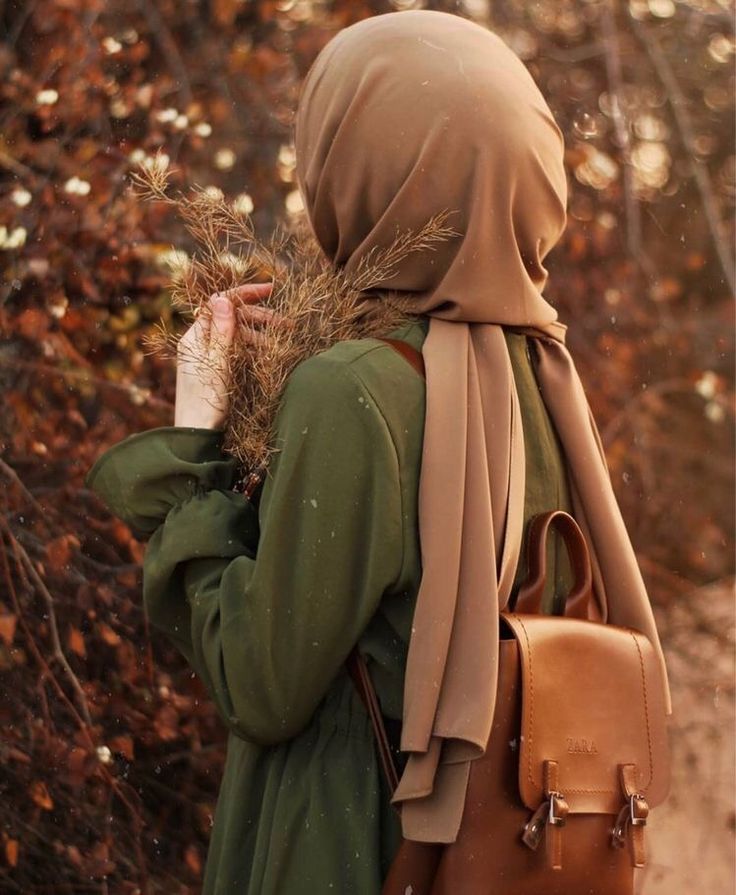
Being a Muslim woman in today’s world comes with many responsibilities, expectations and challenges. Between family responsibilities, marriage, motherhood, work, friendships, personal ambitions and religious obligations, it is easy to become emotionally exhausted.
Sometimes, you find yourself worrying about things you cannot control, comparing your life to others, carrying the burden of people’s expectations or constantly trying to please everyone around you.
You may smile in public while silently struggling with worries that nobody knows about.
But as a Muslimah, it is important to remember that your peace matters. Your emotional well-being, spiritual growth and relationship with Allah deserve attention and care.
Protecting your peace does not mean becoming selfish, arrogant or indifferent towards others. It means learning to guard your heart, establish healthy boundaries, avoid unnecessary conflicts and place your trust in Allah.
Islam teaches us to live with kindness, patience, gratitude and compassion. It also teaches us wisdom, self-respect and the importance of protecting ourselves from harm.
So, how can a Muslimah protect her peace while remaining committed to her Deen?
Here are some beautiful reminders and practical ways to do so.
1. Strengthen Your Relationship with Allah
The foundation of a Muslim woman’s peace is her relationship with Allah.
No matter how much comfort the world offers, true tranquillity comes from remembering Allah and maintaining a connection with Him.
Allah says in the Qur’an:
“Unquestionably, by the remembrance of Allah hearts are assured.”
(Surah Ar-Ra’d 13:28)
When life becomes overwhelming, return to Allah.
Make time for your five daily prayers, recite the Qur’an, engage in dhikr and make sincere dua.
You do not have to wait until everything is perfect before turning to Allah. You can come to Him with your worries, disappointments, fears and unanswered questions.
Speak to Him in your duas. Ask Him to calm your heart, guide your decisions and remove whatever is harmful to your Deen and well-being.
Remember, the more connected your heart becomes to Allah, the less dependent you become on people’s approval and worldly validation.
2. Stop Trying to Please Everyone
One of the quickest ways to lose your peace is to make everyone’s happiness your responsibility.
As Muslim women, we are encouraged to show kindness, respect others and maintain good relationships. However, kindness does not mean allowing everyone to dictate how you live your life.
There will always be someone who disagrees with your choices, questions your decisions or misunderstands your intentions.
Some people may criticise your appearance, your marriage, your parenting, your career or even your decision to focus more on your Deen.
You cannot satisfy everyone.
Learn to distinguish between sincere advice and unnecessary criticism. Listen when correction is beneficial, but do not allow every opinion to determine your self-worth.
You are not required to explain every decision you make to everyone.
Be respectful, remain humble and remember that your ultimate accountability is before Allah.
3. Learn to Set Healthy Boundaries
Protecting your peace sometimes requires learning to say no.
You can love people and still recognise that you need boundaries.
You can respect someone without accepting disrespectful treatment. You can forgive someone without allowing them repeated opportunities to hurt you.
Healthy boundaries help protect your emotional, spiritual and physical well-being.
For example:
- Avoid conversations that constantly lead to gossip and backbiting.
- Limit unnecessary arguments and confrontations.
- Do not feel obligated to attend every gathering.
- Give yourself time to rest when you feel overwhelmed.
- Avoid sharing personal matters with people who have repeatedly misused your trust.
- Communicate respectfully when someone’s behaviour makes you uncomfortable.
Islam encourages maintaining family ties, showing kindness and resolving disagreements with wisdom. Boundaries should therefore be established without injustice, cruelty or neglecting genuine responsibilities.
Remember, you can be a kind Muslimah without making yourself available for every demand.
4. Stop Comparing Your Life to Other Women’s Lives
Social media has made it easier than ever to compare ourselves with others.
You scroll through your timeline and see women travelling, enjoying beautiful marriages, buying houses, achieving career milestones, raising children or living seemingly perfect lives.
Suddenly, you begin questioning your own journey.
You wonder why you are not married yet, why your financial situation is different, why your life seems slower or why you have not achieved certain things.
But remember that you are comparing your entire life to carefully selected moments from someone else’s life.
You do not know the struggles behind those pictures, the private tears behind those smiles or the challenges that person may be facing.
Allah has written different journeys for different people.
Your journey does not have to look like another woman’s journey to be beautiful.
Be grateful for what Allah has given you, work towards your goals and trust His timing.
Celebrate other women’s blessings without treating their success as evidence of your failure.
5. Be Careful About the Company You Keep
The people around you can influence your thoughts, habits, decisions and spiritual growth.
If you constantly surround yourself with people who gossip, complain, discourage you or encourage behaviour that takes you away from Allah, it may gradually affect your heart.
Choose friendships that encourage goodness.
Surround yourself with people who remind you of Allah, encourage you to pray, speak positively about others and inspire you to become a better Muslimah.
Look for friends who celebrate your achievements without jealousy, correct you with kindness and support your growth.
The Prophet Muhammad (peace and blessings be upon him) taught that a person is influenced by the way of life of their close companion.
This reminds us to be thoughtful about the company we keep.
A good friend should not only make you laugh; they should also encourage you towards goodness in this world and the Hereafter.
6. Guard Your Tongue and Avoid Unnecessary Arguments
Not every disagreement deserves your attention.
Sometimes, the best response is silence.
As a Muslimah, protecting your peace also means protecting your tongue from gossip, backbiting, insults and unnecessary arguments.
Before responding to an offensive comment, take a moment to think.
Ask yourself:
- Will this conversation benefit me?
- Am I responding with wisdom or anger?
- Will my words bring about something good?
- Is this matter worth disturbing my peace over?
Allah reminds us in the Qur’an:
“And when the ignorant address them [harshly], they say [words of] peace.”
(Surah Al-Furqan 25:63)
This verse teaches us the beauty of responding with dignity rather than allowing every provocation to pull us into conflict.
You do not have to win every argument. Sometimes, walking away from unnecessary conflict is the wiser choice.
7. Make Time for Yourself Without Feeling Guilty
Many Muslim women spend so much time caring for others that they forget their own needs.
Mothers care for their children, wives support their husbands, daughters assist their parents, and many women also manage careers, businesses and household responsibilities.
While caring for others is valuable, you should not completely neglect yourself.
Make time for beneficial activities that help you recharge.
You can:
- Read an Islamic book.
- Take a quiet walk.
- Recite the Qur’an.
- Rest when you need to.
- Learn a new skill.
- Spend time on a meaningful hobby.
- Organise your personal goals.
- Enjoy a peaceful moment away from unnecessary distractions.
Taking care of yourself is not automatically selfish. Rest can help you fulfil your responsibilities with greater patience and energy.
Remember that you are also an amanah, and your body has rights over you.
8. Learn to Let Go of What You Cannot Control
One of the greatest sources of emotional exhaustion is constantly worrying about things beyond our control.
You may worry about someone’s opinion of you, the outcome of a particular situation, the future of your marriage, financial difficulties or opportunities that have not yet come.
While planning and making reasonable efforts are important, excessive worry cannot guarantee a particular outcome.
Islam teaches us the beauty of tawakkul: placing our trust in Allah while taking the necessary steps within our ability.
Allah says:
“And whoever relies upon Allah – then He is sufficient for him.”
(Surah At-Talaq 65:3)
Do your best, make dua and leave the outcome to Allah.
You may not understand why certain things are happening now, but you can trust that Allah knows what you do not know.
Sometimes, peace begins when you stop trying to control every detail of your life and learn to surrender your worries to the One who controls everything.
9. Protect Your Peace on Social Media
Social media can be useful for learning, connecting with others and sharing beneficial knowledge. However, excessive use can also become a source of distraction, comparison and emotional exhaustion.
Be intentional about what you consume.
Unfollow accounts that constantly make you feel inadequate, encourage jealousy or expose you to content that harms your faith.
Avoid spending hours watching other people’s lives while neglecting your own responsibilities and spiritual development.
Instead, follow accounts that share beneficial Islamic reminders, educational content and positive inspiration.
You should also be mindful of what you post, comment on and share.
Before publishing something, consider whether it is beneficial, truthful and appropriate.
Your online behaviour is also part of your character as a Muslimah.
Do not allow the desire for likes, attention and validation to become more important than your relationship with Allah.
10. Learn to Forgive Without Repeatedly Exposing Yourself to Harm
Holding on to anger and resentment can become emotionally exhausting.
Sometimes, people hurt us through betrayal, harsh words, disappointment or broken promises.
Although forgiveness can be difficult, Islam encourages us to forgive and respond to wrongdoing with goodness where appropriate.
Allah says:
“And let them pardon and overlook. Would you not like that Allah should forgive you?”
(Surah An-Nur 24:22)
Forgiveness does not mean pretending that nothing happened.
It does not mean accepting repeated mistreatment or placing yourself in harmful situations.
You can forgive someone while maintaining appropriate boundaries.
You can release resentment without restoring the same level of access to your life.
Do what is within your ability to heal, seek Allah’s help and avoid allowing past experiences to consume your present.
11. Develop Gratitude for the Blessings You Already Have
Sometimes, we become so focused on what is missing that we forget to appreciate what Allah has already given us.
We complain about our circumstances, compare our achievements and worry about the future without recognising the countless blessings surrounding us.
Your health, family, ability to pray, shelter, food, opportunities and even the gift of waking up each morning are blessings worth appreciating.
Allah says:
“If you are grateful, I will surely increase you [in favour].”
(Surah Ibrahim 14:7)
Make gratitude part of your daily routine.
Every day, identify a few things you are grateful for.
Say Alhamdulillah sincerely, even for the blessings that seem ordinary.
Gratitude does not mean ignoring difficulties. It means recognising that even during difficult seasons, there are still reasons to praise Allah.
A grateful heart is less consumed by constant comparison and dissatisfaction.
12. Do Not Neglect Your Mental and Emotional Well-being
Being a practising Muslimah does not mean you will never experience sadness, stress, disappointment or emotional struggles.
Faith does not make you immune to life’s difficulties.
There may be seasons when you feel overwhelmed, lonely, anxious or emotionally exhausted.
During such moments, remember that seeking appropriate support is not a sign of weak Iman.
Speak to someone trustworthy, seek guidance from qualified professionals when needed and allow yourself to receive help.
Maintain your prayers and duas while also taking practical steps towards your well-being.
Do not suffer silently because you feel that you must always appear strong.
Allah knows your struggles, including the ones you cannot explain to anyone else.
13. Make Dua for a Peaceful Heart
Never underestimate the power of dua.
Ask Allah to protect your heart from unnecessary worries, guide your decisions, bless your relationships and grant you tranquillity.
One beautiful Qur’anic dua is:
رَبَّنَا آتِنَا فِي الدُّنْيَا حَسَنَةً وَفِي الْآخِرَةِ حَسَنَةً وَقِنَا عَذَابَ النَّارِ
Transliteration: Rabbana atina fid-dunya hasanatan wa fil-akhirati hasanatan wa qina adhaban-nar.
Meaning: “Our Lord, give us in this world [that which is] good and in the Hereafter [that which is] good and protect us from the punishment of the Fire.”
(Surah Al-Baqarah 2:201)
You can also make personal duas asking Allah to grant you a peaceful heart, protect you from harmful influences and help you respond to life’s challenges with wisdom.
Never feel that your worries are too small or your problems too complicated to bring before Allah.
He knows what is in your heart.
14. Remember That Your Worth Is Not Determined by People
Your worth as a Muslimah should not be measured by your marital status, financial situation, physical appearance, social media following or the approval of others.
You are a servant of Allah, and your life has purpose beyond worldly achievements.
Islam teaches us that true honour is connected to taqwa.
Allah says:
“Indeed, the most noble of you in the sight of Allah is the most righteous of you.”
(Surah Al-Hujurat 49:13)
Do not allow society’s expectations to make you feel inferior.
Whether you are married or unmarried, a mother or without children, employed or running a business, you can still live a meaningful life filled with worship, goodness and purpose.
Work towards becoming a better Muslimah, not simply a woman who meets everyone’s expectations.
Your greatest success is seeking the pleasure of Allah.
15. Make Your Hereafter Your Ultimate Priority
One of the best ways to protect your peace is to remember what truly matters.
Worldly problems can sometimes appear enormous because we become too attached to temporary things.
We worry about people’s opinions, material possessions, status and achievements while forgetting that our ultimate destination is the Hereafter.
This does not mean neglecting your worldly responsibilities. Islam encourages us to work, build families, earn halal income and contribute positively to society.
However, our worldly pursuits should not distract us from our ultimate purpose.
Prioritise your Salah, seek beneficial knowledge, fulfil your responsibilities, give charity and work towards becoming a better servant of Allah.
When your heart is focused on pleasing Allah, many worldly distractions begin to lose their power over you.
Daily Habits Every Muslimah Can Practise to Protect Her Peace
Here are some simple habits you can gradually introduce into your daily routine:
- Begin your morning with Fajr and morning adhkar.
- Read at least a few verses of the Qur’an daily.
- Make sincere dua before starting your activities.
- Avoid gossip and unnecessary arguments.
- Limit social media and comparison.
- Practise gratitude by saying Alhamdulillah often.
- Surround yourself with people who encourage goodness.
- Take breaks when you feel overwhelmed.
- Observe your five daily prayers on time.
- End your day with evening adhkar, reflection and repentance.
You do not have to change everything overnight. Start with small, consistent steps and ask Allah to make them easy for you.
Conclusion: Choose Allah, Protect Your Heart and Find Peace in Your Deen
Dear Muslimah, life will not always go according to your plans.
There will be people who misunderstand you, situations that disappoint you and seasons when your heart feels heavy.
You may experience unanswered questions, delayed blessings, difficult relationships and unexpected changes.
But through every season, remember that Allah is near.
Protecting your peace does not mean running away from responsibilities, avoiding everyone or pretending that life is perfect.
It means learning to respond to life with faith, wisdom, patience and trust in Allah.
Learn to say no when necessary. Stop comparing your journey with others. Be careful about the company you keep. Forgive where you can, establish healthy boundaries and never neglect your relationship with Allah.
Most importantly, do not allow the temporary challenges of this world to distract you from the everlasting peace of the Hereafter.
May Allah grant every Muslimah a heart filled with Iman, a soul that finds comfort in His remembrance, relationships that bring goodness and a life dedicated to pleasing Him.
May He remove our worries, heal our hearts, protect us from harmful influences and make us among those who find true peace through obedience to Him.
Ameen, Ya Rabbal Alameen.
